Zhang Kequn’s arrest over Queen Ants spotlights Kenya’s ant trade

Zhang Kequn was stopped at Jomo Kenyatta International Airport in Nairobi after security officers found a large consignment of live insects in his luggage bound for China. The seizure, described by prosecutors as more than 2, 000 live specimens, has been tied to an ant-trafficking network and thrust the matter of Queen Ants into the courtroom and Kenyan conservation briefings.
Zhang Kequn and the Queen Ants seized at JKIA
Zhang was intercepted during a routine security check at Jomo Kenyatta International Airport, known as JKIA, in the capital, Nairobi. Prosecutors say the luggage was carrying a substantial number of live ants destined for international shipment to China.
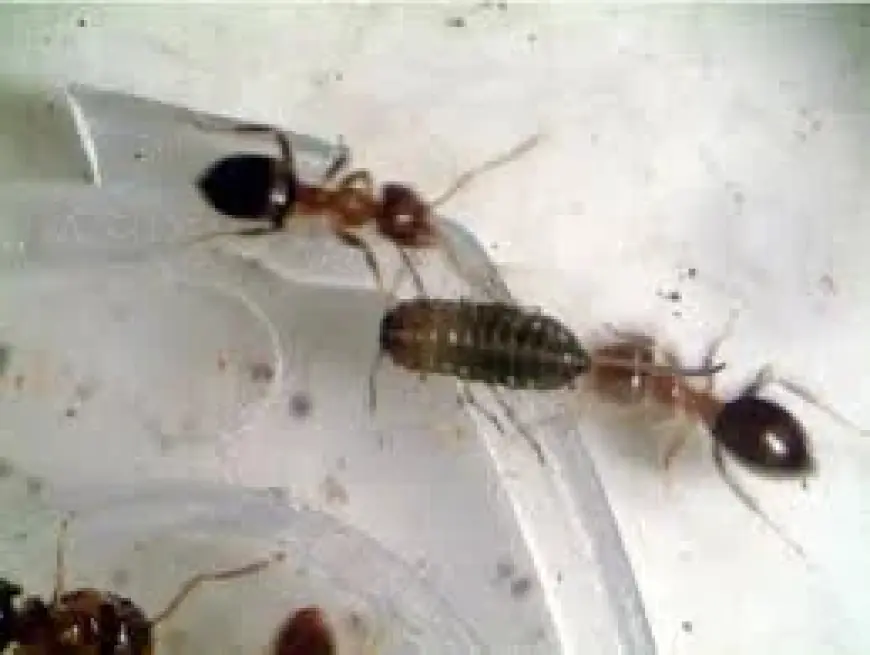
Prosecutor Allen Mulama told the court that investigators recovered 1, 948 garden ants packed in specialised test tubes from Zhang’s personal luggage. Mulama added that a further 300 live ants were found concealed inside three rolls of tissue paper. The sizes and packing methods alarmed authorities and prompted immediate detention.
Mulama also asked the court to allow forensic examination of Zhang’s electronic devices, naming his phone and laptop. The court granted prosecutors a five-day detention to enable detectives to follow leads and analyse material taken from the suspect.
Kenya Wildlife Service, Messor cephalotes and international rules
The Kenya Wildlife Service, or KWS, has reiterated that the ants involved are subject to international biodiversity protections and that their trade is tightly regulated. KWS officials have warned of rising demand for garden ants, noting collectors in Europe and Asia keep them as pets.
KWS highlighted the scientific name Messor cephalotes when discussing garden-ant collections and urged caution about removals from Kenyan ecosystems. The service said that past seizures involved giant African harvester ants that play ecological roles, and that their export can disrupt soil health and wider biodiversity.
Last May, a Kenyan court sentenced four people to either one year in prison or to pay a fine of $7, 700 (£5, 800) after they pleaded guilty to trying to smuggle thousands of live queen ants out of the country. Those four included two Belgians, a Vietnamese and a Kenyan, and the KWS described their arrest as a coordinated, intelligence-led operation.
Investigators, KWS and the claim Zhang masterminded last year’s ring
Investigators now link Zhang to an ant-trafficking network that was broken up in Kenya last year. the court that Zhang had been tied to that ring and that he appears to have left Kenya previously using a different passport.
Duncan Juma, a senior KWS official, said more arrests were expected as detectives widen their probe into other Kenyan towns where ant harvesting was suspected to be ongoing. KWS officials have described last year’s legal outcome as a landmark case for wildlife protection focused on species beyond the obvious large mammals.
For the moment, Zhang remains in custody. The court allowed prosecutors to detain him for five days so detectives can carry out further investigations and forensics on his phone and laptop, a next step the prosecution secured to seek links to towns and networks accused of harvesting ants.
Back at JKIA, the plastic test tubes and the tissue-paper rolls taken from Zhang’s luggage are now evidence in an inquiry that will combine field probes with digital forensics. Prosecutors have those five days to trace where the ants were collected and whether the consignment connects to the broader trafficking ring investigators already dismantled.