Ottawa Plans to Increase Oil Production Amid Global Supply Disruptions

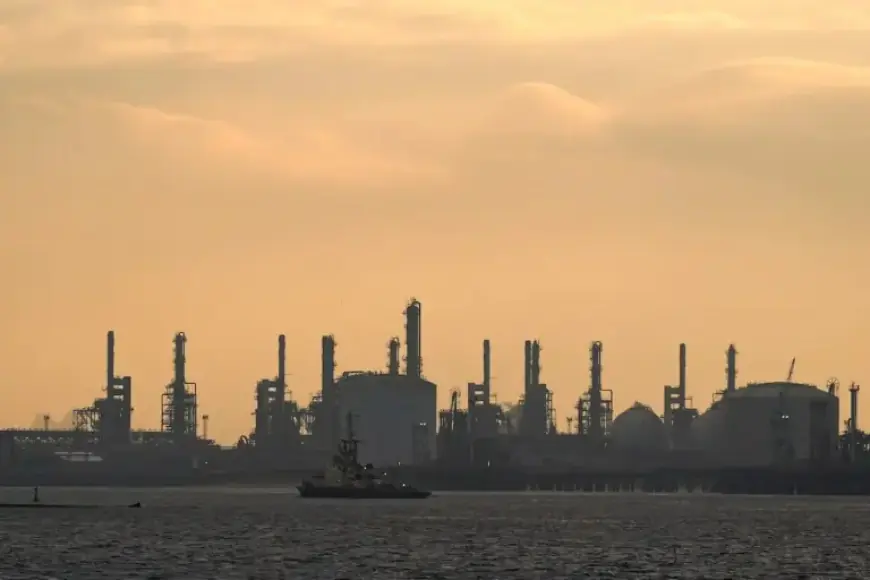
Ottawa is taking steps to increase oil production amid global supply disruptions caused by escalating conflict in Iran. Energy Minister Tim Hodgson announced the Canadian government’s request for domestic oil producers to evaluate how much crude could be made available to the market as the situation intensifies.
Background of Global Supply Disruptions
The ongoing war in Iran has severely impacted global oil supplies, affecting approximately 20% of production. U.S. and Israeli military actions, which began on February 28, have heightened tensions and prompted urgent discussions among Group of Seven (G7) countries and the International Energy Agency (IEA) regarding energy stability.
G7 Nations and Strategic Oil Reserves
- The G7 energy ministers convened to address rising oil prices and supply concerns.
- IEA members collectively hold over 1.2 billion barrels in emergency reserves.
- Discussions included potential coordinated releases of strategic oil stocks among member nations.
Hodgson confirmed that Canada, while not required to maintain strategic stockpiles, is ready to contribute to a multilateral effort should a coordinated release be decided. He expressed confidence in Canada’s oil sands as a vital resource in stabilizing global markets.
Potential Strategies for Increased Production
To enhance oil availability, Canada’s government may consider several strategies:
- Delaying maintenance at oil sands operations.
- Requesting companies to increase their production levels.
- Encouraging refineries to switch to domestic oil sources.
These approaches aim to ensure that Canada fulfills its commitments to international partners, particularly in light of the significant disruptions caused by the Iran conflict.
Market Reactions and Price Impact
In the wake of these developments, international oil prices have experienced volatility. Brent crude fell significantly, dipping to around $87.80 a barrel, while West Texas Intermediate traded at $83.45. This marked a notable decline as traders grappled with the uncertain timelines of the military actions and the potential for increased oil supply from strategic releases.
Future Outlook
Analysts suggest that the situation remains precarious. With ongoing attacks in the Persian Gulf, the likelihood of restoring normal oil flows is diminishing. Some experts predict that oil prices could escalate further, potentially reaching $200 a barrel if tensions continue to rise.
In conclusion, Ottawa’s proactive measures to ramp up oil production join other nations’ efforts to stabilize a turbulent energy market that faces unprecedented disruptions due to international conflict.