Wealthy Increase Spending, While Others Trim Expenses.

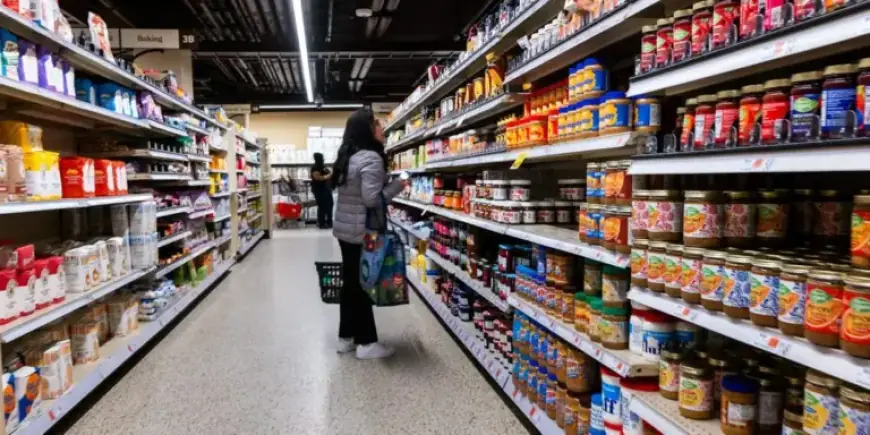
The current American economy presents a stark contrast between wealthy individuals and those in lower-income brackets. While billionaires indulge in luxurious lifestyles, many middle- and lower-income earners are tightening their belts. This disparity highlights a growing trend referred to as a K-shaped economy, where the affluent thrive while the less wealthy struggle.
Wealthy Increase Spending Amid Economic Disparity
Data shows that affluent earners are spending more on premium experiences and luxury goods. Lavish vacations and expensive pet grooming are just a few examples of how the wealthy are enjoying their financial gains. In contrast, lower-income groups are significantly reducing discretionary spending, reflecting their financial pressures.
K-Shaped Economy Overview
The K-shaped recovery signifies two divergent paths. High-income earners, at the top of the “K,” have maintained financial stability, benefiting from strong investments and economic growth. Lower earners, at the bottom, face increased costs and dwindling purchasing power.
Consumer Spending Trends
- Wealthy consumers (household incomes over $150,000) spend more on premium groceries.
- Lower-income consumers (under $50,000) are cutting back on essentials like fresh produce.
- The cost of living is making it difficult for lower earners to maintain pre-pandemic spending habits.
Income Disparity and Job Market Challenges
Recent college graduates are experiencing a higher unemployment rate than older workers, revealing significant rifts in the job market. As of late 2023, the unemployment gap between younger graduates and the overall workforce has widened to 1.3 percentage points. Despite a strong job market in some sectors, such as healthcare, many white-collar jobs have struggled.
Wage Growth Inequities
A report from the Bank of America Institute indicates that wage growth has shifted in favor of higher earners as of 2024. The divide between the income brackets has reached its highest level since 2015. Lower-income households are experiencing stagnant wage growth, while those in the upper tiers see substantial increases.
Credit and Financial Strain
Credit card debt is rising nationally, with total balances reaching $1.28 trillion as of the end of 2025. However, the burden falls disproportionately on lower-income individuals, who feel increased financial pressure. Reports highlight a significant risk of delinquency among those in the lowest-income brackets, further complicating their economic situation.
Conclusion
The divide between wealth and poverty continues to shape consumer behavior and financial health. While wealthier individuals enjoy increased spending power, lower earners are faced with the harsh realities of a challenging economic landscape. Moving forward, addressing this K-shaped economy will be crucial for fostering a more equitable financial future for all.