Pga Tour changes put Curtis Strange at odds with Brian Rolapp

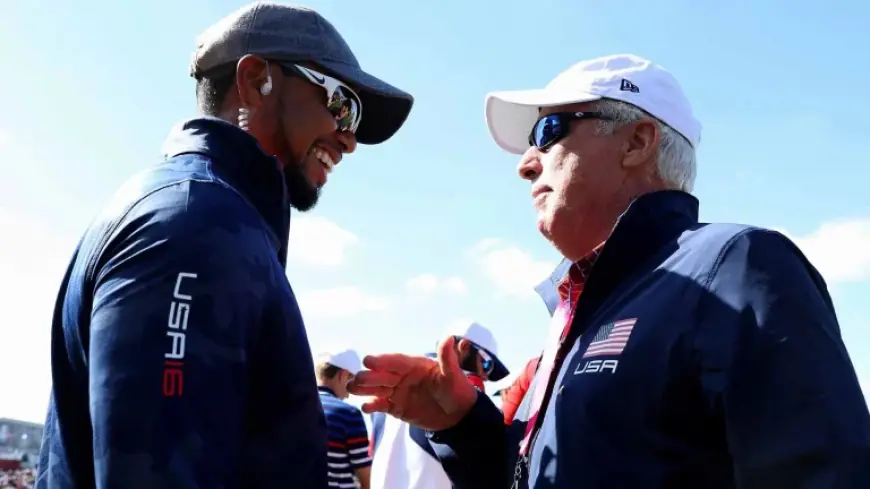
Curtis Strange has spent decades in golf with a résumé that still lands in the sport’s shorthand: 17 Tour wins, back-to-back U. S. Opens in 1988 and 1989, and a later life in the broadcast booth. Now, as the pga Tour moves toward a new competitive structure under CEO Brian Rolapp, Strange is using his voice to push back on changes he says cut against the game’s fabric.
Those changes are taking shape as the Tour tries to raise its profile and counter LIV Golf’s influence. Rolapp and the Future Competition Committee are looking to shrink the number of tournaments on the schedule, the length of the season, and the number of PGA Tour cards doled out each year. Some of the direction has been publicly supported by Tiger Woods, though not so much by Rory McIlroy. Strange, along with longtime player-turned analyst Peter Jacobsen, is staking out a different vision.
Curtis Strange and the cuts at Signature Events
Strange’s criticism centers on a set of decisions that, in his telling, change what it means to survive a week on Tour. He pointed to the loss of cuts at many Signature Events as a core problem, framing the cut as more than a procedural detail. In comments made to Adam Schupak in a Golfweek report, Strange argued that a cut is “part of the fabric of the Tour, ” and warned that elevated events should not come at the expense of that tradition.
His concern extends beyond a single category of tournament. Strange said the shift threatens long-running regular Tour events, describing a structure where those tournaments can end up serving as something smaller than they have been historically. He argued that making longstanding events into a feeder system for Signature Events changes the hierarchy of the schedule in a way that can be felt by tournaments that built their identities over time.
Strange also took aim at the idea of a shorter season, referencing a six-month season the Tour is reportedly eyeing. His critique leaned on a comparison between golf and another sport, suggesting that decisions shaped by an audience model from outside golf may not translate cleanly. “Golf is a different animal than football, ” Strange said, adding, “It’s not a six-month audience. ”
Brian Rolapp, the Future Competition Committee, and player power
The changes Strange is pushing back against are being explored under Rolapp, the new Tour CEO, alongside the Future Competition Committee. The committee is led by Woods, and it carries a larger meaning in the sport’s recent history: after LIV Golf arrived in 2022, the Tour gave players more influence in decision-making through this committee structure.
For Strange, that shift in governance is not an abstract organizational chart. He identified what he called the “problem” behind the wave of adjustments as having the “players running the asylum. ” In the same set of comments, Strange pointed to a high-profile departure as part of his argument, asking why former PGA Tour board member Jimmy Dunne left and saying Dunne concluded, “shoot, why am I wasting my time anymore?”
Strange’s critique does not reject change in total. He acknowledged the concept of elevated events, but argued that the Tour’s current direction risks taking away competitive stakes that fans and players recognize instantly: the pressure of making the cut, and the meaning of a regular event that stands on its own rather than functioning as a step toward something else.
Tiger Woods, Rory McIlroy, and Peter Jacobsen widen the divide
Strange’s comments land in a moment when the Tour’s internal debate is already visible. Woods has publicly supported the expected moves, while McIlroy has not been as supportive. That split matters because Woods is also tied directly to the Tour’s evolving decision-making model through his role leading the Future Competition Committee.
Strange is not alone in criticizing the recent direction. Schupak’s report also included comments from Jacobsen, a seven-time PGA Tour winner who later became a TV analyst. Like Strange, Jacobsen arrived at his critique from the perspective of someone who competed inside the system and then spent years explaining it to viewers. Unlike Strange, the report said, Jacobsen “did not hold back at all” in his assessment of the changes.
The pushback from two prominent figures, paired with the public support from Woods and the less supportive stance from McIlroy, frames the current moment as something more personal than a policy memo. It is a dispute about what makes a week on the pga Tour feel earned, what long-running events represent, and who should be steering the Tour’s future.
Strange’s career arc—champion, Ryder Cup captain in 2002, then analyst across multiple networks—has been built on reading how the sport is changing and explaining what it means. Now he is doing it from the outside, with a direct message: cuts still matter, regular events still matter, and in his view, the Tour’s power structure is shaping the product as much as any schedule reduction ever could.