George Russell’s win and what it means for Hamilton and modern F1 racing

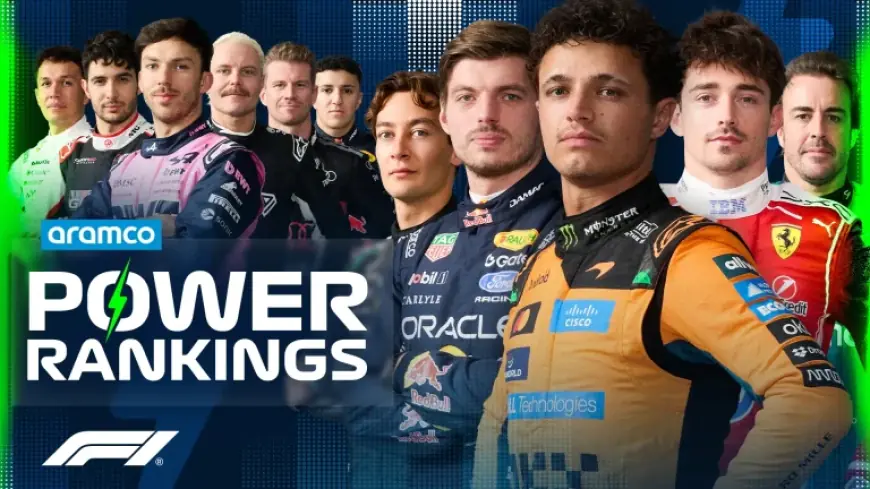
George Russell’s opening battle with Charles Leclerc in Melbourne set the tone for a race that left drivers divided about the sport’s direction. Hamilton finished fourth and said he “loved it, the race was really fun to drive, ” even as other voices questioned whether the new electrical rules had turned overtaking into something closer to a video game.
How George Russell and Charles Leclerc traded the lead at the Australian Grand Prix
George Russell and Charles Leclerc swapped the lead repeatedly in the opening 10 laps at the Australian Grand Prix, using new boost and overtake modes to pass one another. Russell converted his pole position into a victory, and Kimi Antonelli finished between them on the podium in second. Arvid Lindblad, the rookie who rose to P3 briefly on the opening lap, and other midfield moves underlined a chaotic, action-filled start to the season.
Why the new energy rules shaped the on-track action in Melbourne
The race reflected the impact of fresh regulations that require drivers to charge and deploy large amounts of electrical power during a Grand Prix. Leclerc highlighted the change when he noted the constant need to charge and deploy 350kw of electrical power would alter overtaking. Teams and drivers adapted different approaches to boosting and recovery, producing far more position changes than last year. F1’s official statistics showed 125 overtaking manoeuvres in this race, compared with 45 last year.
Still, not all teams or drivers saw those extra passes as an improvement. Some described the overtakes as a simple push-to-pass followed by a long recovery, and suggested the moves lacked the traditional craft of out-braking or wheel-to-wheel muscle. Mercedes used its pace advantage in qualifying and the race to pull away once Russell could settle into an optimal deployment strategy, leaving Ferrari to try alternative plans to counter that edge.
Hamilton, Lando Norris and Max Verstappen voiced mixed reactions after Albert Park
Hamilton said he “loved it, the race was really fun to drive” after finishing fourth behind Leclerc. Yet other leading figures offered sharper critiques. Lando Norris warned the speed differentials felt precarious and predicted the sport was “just waiting for something to go horribly wrong. ” Max Verstappen said he loved racing but not in the current form and urged improvement.
Charles Leclerc himself invoked a video-game image when he compared parts of the new racing to “the mushroom in Mario Kart, ” a comment that echoed broader unease about the artificial feel of overtake modes. George Russell described his early fight with Leclerc as “dicey, ” a reminder that even the winner found the new format demanding in close wheel-to-wheel fights.
For Mercedes, the result confirmed a clear advantage in both qualifying and race trim. In qualifying the team secured a one-two with Russell and Antonelli, and the pair finished similarly in the race, easing off late once they had established a healthy margin over Leclerc.
Yet Ferrari, with Leclerc and Hamilton running near the front in the opening laps, demonstrated bursts of competitiveness and a chance to close the gap as the season unfolds. Team bosses have acknowledged those contrasts and agreed on a point of process: they will pause and reflect after three races this year, with the possibility of tweaking the rules if needed.
Back in Melbourne, Russell’s win felt like the opening note of a campaign that will be judged not just by who finishes first but by whether fans and teams accept a sport reshaped by electrical deployment and staged overtakes. The next confirmed milestone is clear: after three races, teams will take a formal pause to assess whether the regulations are delivering the kind of racing the sport and its followers want to see.