Iran Conflict Threatens Surge in Gas Prices, Airfare, and Everyday Costs

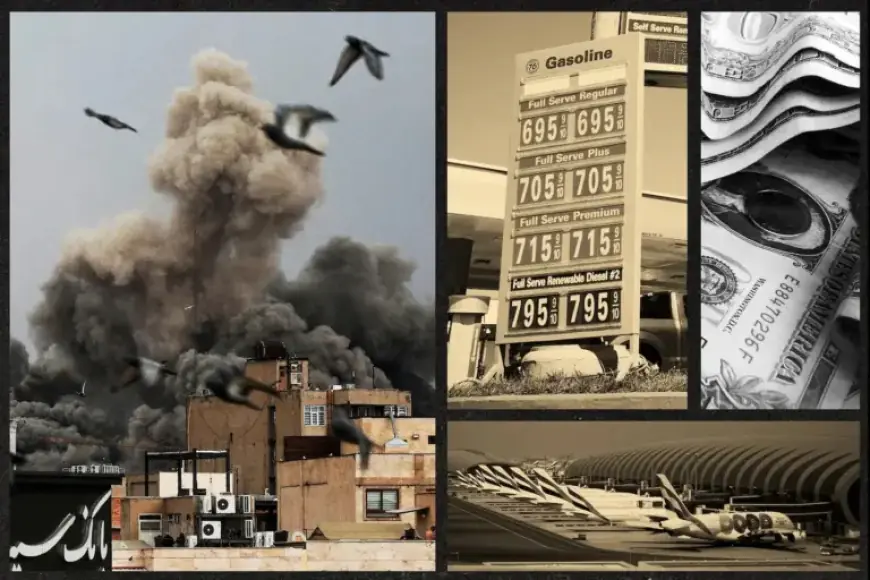
The ongoing conflict in Iran is poised to have significant repercussions on global economies. One of the most immediate effects is a surge in gas prices, which is expected to impact air travel and the cost of everyday goods.
Impact on Gas Prices
As tensions escalate, gas prices are likely to rise sharply. Increased military actions and restrictions on oil supplies can lead to market instability. A decrease in oil production from Iran can create shortages, further inflating gas costs.
Statistics and Predictions
Experts predict that if the conflict continues, prices at the pump could rise by as much as 20-30%. This increase would not only affect individuals but also have a knock-on effect on various sectors reliant on fuel.
Airfare and Travel Costs
Higher gas prices will inevitably affect airfare. Airlines, facing increased fuel costs, are likely to raise ticket prices. Travelers may notice changes in fares as early as the upcoming travel seasons.
Everyday Costs
The ripple effect of rising fuel prices extends to everyday items. As transportation costs increase, consumer goods may become more expensive. From groceries to clothing, the impact will be felt in various sectors.
Conclusion
The Iran conflict poses a serious threat to global economies, particularly regarding gas prices, airfare, and overall living costs. As the situation develops, consumers should prepare for potential price hikes in all areas of daily life.