Pierre-Olivier Gagné’s map reshapes Road Conditions Montreal for drivers

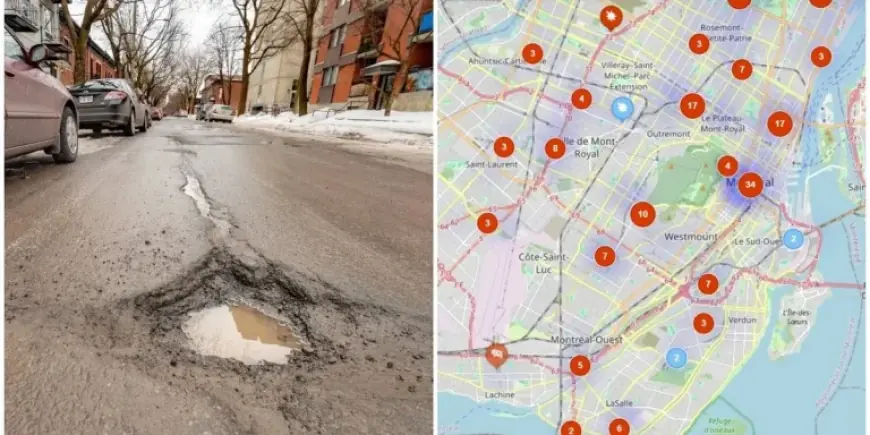
Pierre-Olivier Gagné started with a sore tire and a stubborn idea. Frustrated by the sudden jolts of winter craters and the worry that follows, he helped build a free bilingual mapping tool to let Montrealers pin hazards and share photos. The site aims to make navigating road conditions montreal more visible and useful to the community.
Pierre-Olivier Gagné’s approach to mapping potholes
Gagné says the project began after too many of those “ayoye!” moments behind the wheel. He co-founded the platform in mid-February and designed a simple reporting flow: visit the site, drop a pin on the exact location, add a photo, and let others validate the report. “We’ve all had those moments where you hit a massive crater and immediately worry about your tires, ” he told interviewers.
Users can vote on whether a report is accurate or still active, and the system updates a hazard’s status to “resolved” once the road has been repaired. Since launching, the platform has logged hundreds of reports across the province, with the bulk concentrated in Montreal and the South Shore.
Road Conditions Montreal mapped by Pierre-Olivier Gagné
The map’s popularity reflects a common complaint among local drivers: potholes top the list of road grievances. Even Mayor Martinez Ferrada shared a social post about getting two flat tires on Notre-Dame Street, a detail that underscores how widespread the problem feels. For many users, the site is a place to vent and to turn frustration into something practical.
Community engagement is a built-in part of the design. Some entries include user-submitted photos that show the size and placement of craters. Gagné described seeing a lot of engagement on social media and said, “Generally, people really seem to appreciate the initiative and the idea of having a dedicated tool to track such a universal frustration. ” The map gives residents a way to see and flag where road conditions montreal are worst, and to watch status changes as repairs occur.
Montreal streets, the South Shore and where reports cluster
Geography matters for the first wave of reports. The bulk of entries has appeared in Montreal and on the South Shore, indicating neighbourhoods hit harder than others. The platform is already showing patterns: concentrations of reports in particular corridors and neighbourhoods, and individual posts that collect votes from neighbors who confirm an entry remains active.
Developers are also tracking community feedback for future work. Gagné says the team is working on a parallel project informed by that feedback, though details remain under wraps. A separate write-up published on March 11, 2026 at 10: 08 am ET described the map as a simple way to pin locations and upload photos so the community handles verification.
For drivers who want immediate help, the live tool offers a searchable, photo-backed view of hazards; for planners and repair crews, the aggregation of user reports offers a clearer picture of where attention is being demanded. For now, the platform is free to use, and the long-term vision includes openness to collaborating with the public, local authorities, or any organizations interested in road safety.
Gagné began the effort after too many jolts and a desire to make that shared experience useful. For now, the site remains live and free to use, and users who have hit one too many potholes can continue to pin locations, add photos, and vote on reports — a concrete way of tracking the next repairs and watching repaired entries flip to “resolved. “