Dunblane Primary School anniversary brings centre life and renewed debate

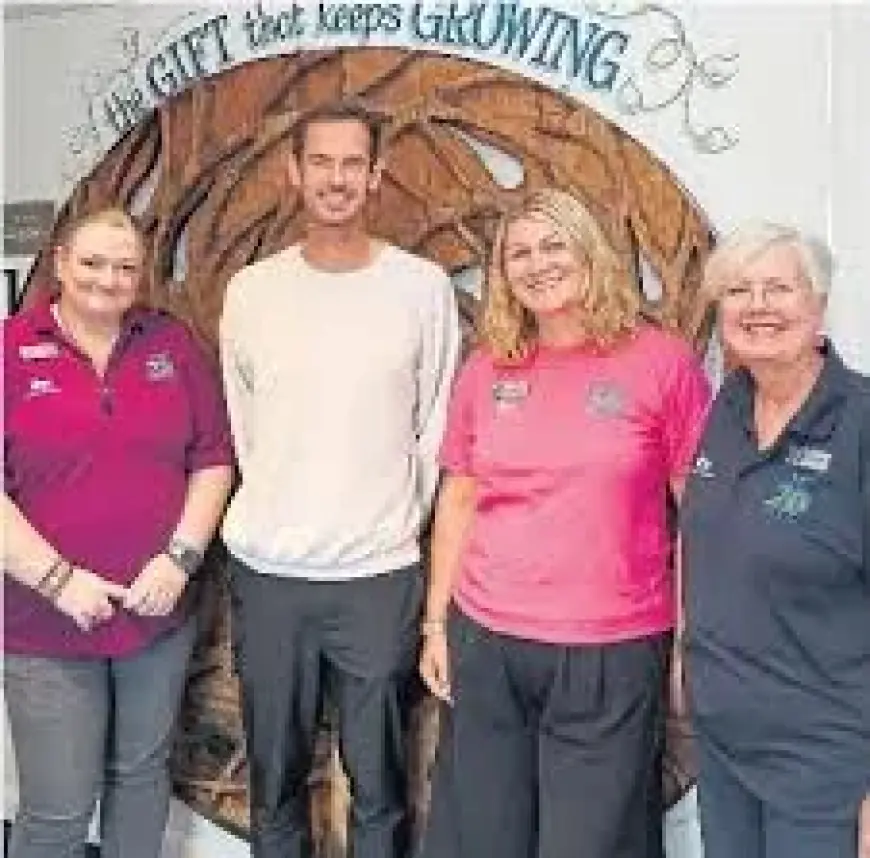
Claire Kinnear, manager of The Dunblane Centre, stands in a sports hall where babies babble and toddlers laugh, a building created in the aftermath of the attack at dunblane primary school. The quiet of a weekday class meets a wider public conversation: a new documentary revisits the campaign that outlawed private handguns while a grieving father says the law still needs tightening.
Dunblane Primary School and the documentary marking the 30th anniversary
A film that opens with a former PE teacher recalling 13 March 1996 returns the viewer to the gym where a gunman entered and fired at adults and children. The programme gathers parents of the victims, a TV presenter and a former prime minister to trace the campaign that followed to outlaw private handguns.
One contributor, TV presenter Lorraine Kelly, tells viewers: “There’s an assumption that this horrific thing happened and guns were banned. It didn’t happen like that. ” That line underscores how the ban emerged through a campaign rather than as an automatic response to the atrocity. The documentary frames the legal change as a process shaped by those who pushed for it and by the families left behind.
Mick North and calls for tighter firearms laws
Mick North, whose five-year-old daughter Sophie was among those killed, says gun laws remain too lax three decades on. Sophie was shot dead along with 15 classmates and their teacher, Gwen Mayor, on 13 March 1996, when the gunman entered the school armed with four legally owned handguns and 743 rounds of ammunition.
North helped start the campaign that led to a complete ban on private handgun ownership. He now urges a full review of firearms legislation, citing new concerns such as 3D printed guns, converted replica weapons and firearms with barrels just long enough to fall outside the handgun ban. He also calls for stricter background checks, including consideration of social media posts and the views of an applicant’s partner. MPs are considering whether to tighten shotgun licensing laws to bring them more into line with restrictions on rifles, and North argues ministers should be proactive in spotting and plugging legal loopholes.
He also urges a prominent political figure to renounce comments made in 2014 that the handgun ban was “ludicrous” and a “knee-jerk reaction” to Dunblane. For North, vigilance and active lawmaking are the lessons to sustain from the campaign he helped launch.
The Dunblane Centre, Claire Kinnear and the community built after 1996
Funds donated from around the world after the 1996 tragedy paid to establish The Dunblane Centre, which opened in September 2004 with a sports hall and multipurpose spaces. Manager Claire Kinnear remembers participating in a consultation as a teenager; the outcome was a flexible community hub used for baby music and sensory classes, after-school clubs, walking cricket and adult aerial yoga.
Children sometimes find it hard to leave the centre, which users describe as “a home from home. ” A bouncy castle donated by Lorraine Kelly arrived in honour of the birth of her granddaughter, Billie, in 2024, and tennis great Sir Andy Murray, who was a pupil at Dunblane Primary on the day of the tragedy, became a patron last year. The building has evolved: the function room was intended for discos, the soft play area once served as a recording studio, and the sports hall floor was replaced last year at a cost of around £17, 000.
Financially the centre has recovered from a precarious period five years ago. Income from classes, room hire and a café now sustains day-to-day activity, but volunteers and grant funding remain essential. Two years ago a £100, 000 boost from the National Lottery allowed the centre to open seven days a week and hire three part-time employees, bringing total staff to 11. The centre is due to reapply for that same grant; if the application fails, almost a third of the workforce will likely lose their jobs.
Back in the sports hall where she began, Claire Kinnear watches a toddler grab a tambourine and refuses to hand it over. For now the hall fills with sound. The next confirmed milestone for the community is the centre’s reapplication for the National Lottery grant, a step that will determine whether the staff and services on which local families rely can continue.