James Fishback courts campus crowds as Florida governor race draws scrutiny

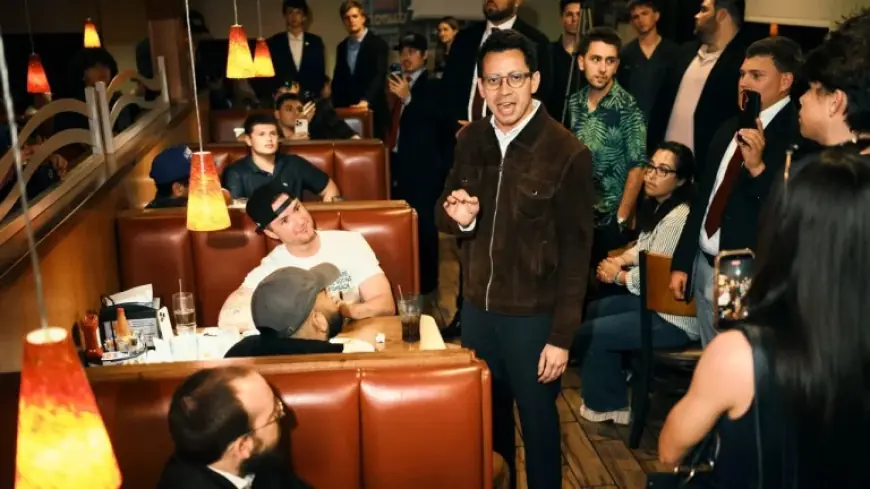
On the University of Central Florida campus, james fishback stepped into a Turning Point USA event aimed at students and spoke directly to Gen Z about Florida’s future. The scene captured the strategy behind his long-shot bid for governor: build attention and turnout among younger voters. Yet the campaign that leans on campus energy is also shadowed by leaked texts about money problems and by promises designed to provoke.
University of Central Florida students meet james fishback in a youth-focused pitch
Republican candidate for Florida governor james fishback spoke to University of Central Florida students at an event held by Turning Point USA on the university’s main campus. He entered optimistic and was greeted by excitement from students involved with the campus organization and other curious students near the Student Union. The setting mattered: a crowd of young voters, in a place where political identity is still forming, listening to a candidate who is trying to make them a decisive bloc in a Republican primary.
Turning Point USA at UCF selected him to represent what it described as its vision for America, emphasizing family, faith, and a strong economy. Fishback addressed Gen Z directly and expressed disapproval of both major political parties, criticizing intra-party conflict among Republicans and warning that it “further divides the state and only contributes to more division, leaving voters feeling hopeless. ” In that room, he framed himself as someone willing to push against party lines, at one point positioning himself as a moderate or a “weak Republican. ”
His pitch mixed broad identity and specific proposals. Fishback said he traces his origins to a “working-class family in Broward County, ” and he tied that claim to education policy, saying he wanted a system that teachers can benefit from. He emphasized public school education, said higher teacher pay could become attainable if tax dollars are distributed effectively, and argued that universities can open doors to future opportunities even as he acknowledged the line that “college is a scam. ” He also talked about improving school nutrition, saying he wanted healthier food options for students.
Florida’s Republican primary field puts james fishback in a steep climb
Fishback’s campus appearances fit a broader campaign pattern described elsewhere: making college campuses a staple of his run and engaging fans of online personalities who have embraced him. In one interview, he said he plans to increase under-35 turnout by five times in the Republican primary because “the denominator is so freaking low to begin with. ” That strategy is aimed at changing who shows up, not just persuading those already likely to vote.
Even with that focus, the institutional reality of the race is hard to miss. Fishback is running against a Donald Trump-backed Republican congressman, Byron Donalds, who is far outpolling him in the primary to replace Governor Ron DeSantis. The contrast between a candidate chasing a turnout surge and a better-known opponent who is already leading in polls shapes the stakes of every campus stop: Fishback needs new voters, not merely louder ones.
His campaign message has been described as combining affordability with hardline immigration restriction, appealing to a “broad sense of decline and degradation among young men in particular. ” At UCF, he also pushed policies that drew applause, including promises to eliminate property taxes and improve pathways to homeownership. He suggested that increasing the minimum wage could be feasible if he wins the primaries and the general election. On technology and the environment, he said he does not want President Trump to federalize AI data centers throughout the state, arguing it poses a risk to Florida’s natural wildlife.
Greenlight Capital debt and leaked texts add pressure to the campaign narrative
While Fishback leans into youth enthusiasm, another story line revolves around money. He is $200, 000 in debt due to a legal battle with his former employer, Greenlight Capital, a hedge fund where he was reportedly a low-achieving junior “research analyst. ” When he started his own firm, the title was changed to “head of macro, ” a promotion his former employer did not appreciate. His legal bills could balloon to nearly $2 million, and staffers have expressed concern about his ability to pay.
Those concerns surfaced through a series of leaked text messages involving people who worked on the campaign. Bryant Fulgham served as Fishback’s county outreach chair before departing the campaign on February 18 after being threatened with what he believed was a demotion. After he left, he shared texts and photographs from his time with the campaign. In one exchange, campaign manager Emma Wright claimed Fishback’s couch had been repossessed by debt collectors. Wright also joked that Fishback’s Tesla would be next. Greenlight Capital later asked a judge to determine that the Tesla Fishback drives on the campaign trail belongs to him and not his father; if the judge agrees, the car could be repossessed.
Other messages described internal tensions and included language that reflected badly on the people involved. The texts also showed campaign staffers discussing college-student events—an area that has provided enthusiasm for Fishback’s campaign—while dismissing students as too “broke. ” Alongside the financial drama, Fishback’s public image has been shaped by a separate set of attention-grabbing promises and associations. He has won the endorsement of Andrew Tate, who has been accused of rape and sex trafficking and has denied wrongdoing. Nick Fuentes, described as a prominent white nationalist streamer, has called Fishback “really smart” and praised his social media savvy, while declining to endorse him in an effort to stanch what was described as Fishback’s toxicity.
At UCF, Fishback stood in front of students and spoke in the language of a generational shift. Away from the campus microphones, the campaign faces a different test: whether the turnout strategy, the financial strain, and the constant churn of controversy can coexist long enough to reach the ballot fight he says he wants. For now, the next confirmed step remains the primary contest in Florida, where his bet on younger voters would have to show up in actual votes rather than applause.