Houston Rodeo night leaves Lina Hidalgo alleging she was shoved out

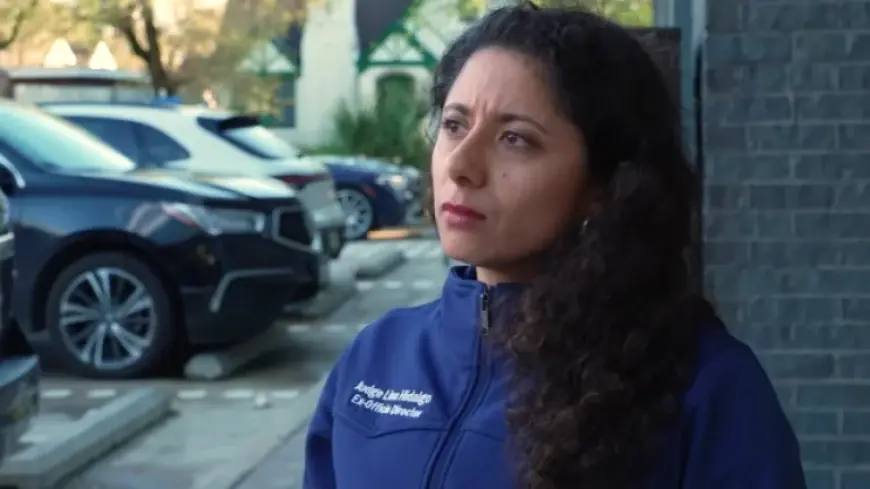
In houston, Harris County Judge Lina Hidalgo says a routine night at NRG Stadium turned into a confrontation when she and her guests tried to reach the dirt floor during the Houston Livestock Show and Rodeo. The dispute, centered on access to the arena floor for Megan Moroney’s sold-out concert, has produced sharply different accounts from Hidalgo and rodeo officials.
Lina Hidalgo and five guests at NRG Stadium
Hidalgo said she arrived Tuesday night with five guests and was allowed to sit in the county suite. She said the group included West University Place Mayor Susan Sample and Sample’s two children, as well as two guests she described as the parents of a deceased Air Force veteran. Hidalgo, who serves as an ex officio director of the rodeo and has a seat in the county suite, attended in a role tied directly to county government: Harris County owns NRG Stadium, and the rodeo is held there.
At some point, Hidalgo said, the group decided to attempt floor access anyway. She said someone on her staff had briefly mentioned the dirt floor was full, but she still tried. “I’ve always been, never needed a wristband, ” she said in an interview. Hidalgo said two of her guests were allowed onto the floor, but she and other members of her group were stopped.
As the explanation shifted to paid seating, Hidalgo said she offered to purchase the seats. “At some point, they said it was, you know, that these are paid seats. I said, ‘Okay, I will pay for them, ’” she said.
Houston Livestock Show and Rodeo officials dispute a physical altercation
Rodeo officials confirmed Hidalgo and her guests were denied entry to the floor because they lacked chute seat tickets. They said Hidalgo’s team had requested and been granted nearly $9, 000 worth of floor access tickets for Hidalgo and her guests on three previous nights. But her team was told she would not be granted floor access Tuesday night because the Megan Moroney concert was sold out.
dirt access is limited to chute seat ticket holders, calling it a premium ticket priced at $425, and said the group was directed back to their ticketed seat. Rodeo officials also said Hidalgo was asked multiple times to return to the county suite and was eventually asked to leave the rodeo when she refused.
On Hidalgo’s side, her description is more direct and more personal. She said a man yelled at her, then multiple men were involved, and then “multiple men shoving me. ” She said she was grabbed, shoved, and threatened with arrest by security, and she described being told she needed to leave the property in an audio recording she provided.
Rodeo they have no knowledge of any physical altercation. They also insisted Hidalgo left without an escort and that her guests were never asked to leave.
A $425 chute-seat line becomes a public dispute
The disagreement is not only about one entry point and one night. Hidalgo tied the incident to the county’s relationship with the rodeo, writing that she had always been allowed on the dirt area because of that connection. Harris County owns and leases NRG Stadium to the Houston Livestock Show and Rodeo, and the Harris County Sports & Convention Corporation provides Harris County with rodeo tickets.
Hidalgo detailed the incident publicly in a Facebook post early Wednesday that was later deleted. She then published a two-page letter addressed to high-ranking rodeo executives. In the deleted post, she wrote that she was willing for them to try to have her arrested and said she believed she had done nothing wrong. She also raised questions about how much previous Harris County executives were charged to attend rodeo performances.
In her accounts, Hidalgo framed what happened as more than a ticketing rule. She said the episode left her feeling disrespected, threatened, physically unsafe, and “unempowered as a woman, ” and said she would not go near the area again. She also questioned whether she would have been treated differently if she were a man, and alleged political differences and sexism influenced the effort to keep her out. In another statement, Hidalgo said she feared for “people in our community who are not white-passing. ”
Yet the basic points of contention remain concrete and unresolved in the public record presented by the two sides: whether physical force was used, whether her guests were told to leave, and how far the county judge’s ex officio role extends when the event is sold out and entry is limited to chute seat ticket holders.
For now, Hidalgo’s account rests on the details she has already placed into the public arena: the offer to pay, the claim of shoving, and the audio she says captures a man telling her to leave the property. Rodeo officials have answered with their own fixed line, repeating that she lacked the proper tickets and that they do not know of any physical altercation.
It started, Hidalgo said, with a decision to “try their luck” at floor access after sitting in the county suite. It ends, at least for the moment, with two narratives that do not meet: her description of being forced out of a county-owned stadium, and the rodeo’s insistence that she simply left.