Mitchell Moses: Parramatta routed 52-4 despite strong preseason expectations, coaching issues exposed

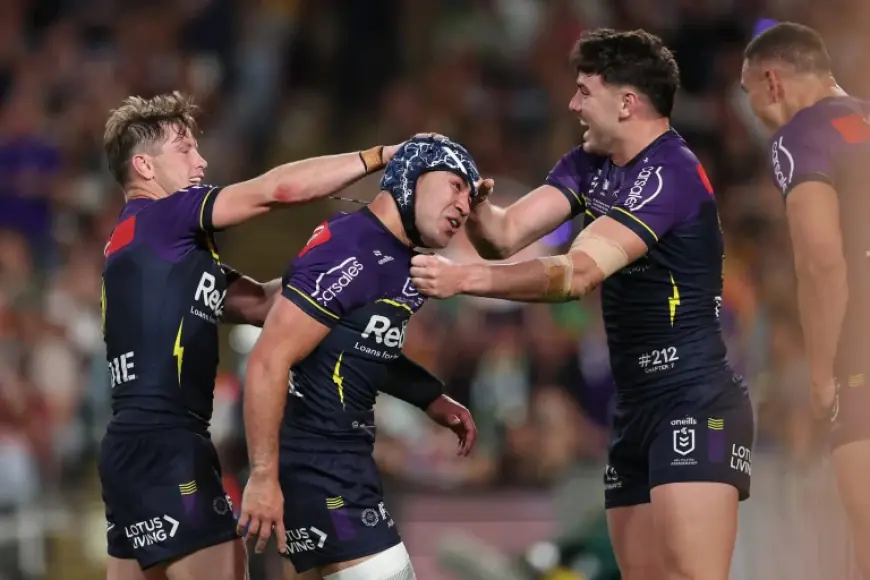
Parramatta lost 52-4 to Melbourne in round one, a result Mitchell Moses described as a “reality check. ” The gap between the Eels’ upbeat preseason record and the scale of the collapse is the focus here: what the match record shows, how coaching decisions factored in, and which documented patterns the loss both continues and contradicts.
Parramatta Eels’ preseason form and roster moves were confirmed positives
Confirmed: The context documents that Parramatta entered the season off wins that created genuine expectation. The Eels had won five of their last seven games in 2025 and had claimed victory in both of their trial matches in the pre-season. The roster picture reinforced optimism: Mitchell Moses was fit for round one, Isaiah Iongi moved into his second season as first-choice fullback, and Jonah Pezet arrived as five-eighth. Those facts together underpinned the view that Parramatta would be one of the competition’s big improvers.
Mitchell Moses and the ‘reality check’ after Melbourne Storm rout
Confirmed: Mitchell Moses framed the defeat as a corrective, saying some players “got ahead of ourselves” and calling the result a “reality check. ” Documented: the match outcome was emphatic. Parramatta leaked nine unanswered tries in a 52-4 loss, completed at only 63 percent, conceded points to the Storm’s middle forwards and outside backs, and had two players sent to the sin bin. The loss was the club’s biggest since 2019. Taken together, those figures show the scale of on-field failings that Moses referenced.
Documented: the consequence for momentum is clear in the context. After the rout, Moses warned about defending close to their own tryline and highlighted the hostile trip ahead to Brisbane to face the reigning premiers. That warning ties the immediate defeat to concrete tactical vulnerabilities rather than vague morale issues.
Jason Ryles’ interchange choice and Sam Tuivaiti substitution limit exposed a tactical gap
Confirmed: Jason Ryles acknowledged a coaching error linked to the new six-man bench rule, admitting he mismanaged the interchange allocation. Documented: Ryles had already activated four other interchange players, the maximum permitted under the rule in that moment, and therefore could not substitute prop Sam Tuivaiti back into the game. That sequence left Parramatta without a planned rotation and was presented by Ryles himself as a lesson to learn.
Documented: Ryles said the coaching group had reviewed the loss “very honestly and moved on quickly, and got into some work. ” He also confirmed the team would monitor returning players: test winger Josh Addo-Carr trained and would be watched as he pushed to return from a thumb injury earlier than expected. What remains unclear is how quickly practical changes to substitution strategy and defensive attention on the Storm’s middles will take effect in live matches.
Documented: the broader competitive pattern the loss slots into is also recorded in the context. The Melbourne Storm continued their tradition of explosive round-one performances, further extending their streak of dominant season-openers. That pattern frames Parramatta’s heavy loss as both an isolated failure of execution and part of a recurring Storm benchmark that other teams struggle to meet.
Open question: The context does not confirm whether tactical adjustments or personnel returns will materially alter Parramatta’s immediate trajectory. Ryles’ review and Moses’ comments indicate intent to change, but the evidence in the context stops at those admissions and the upcoming challenge in Brisbane.
Closing paragraph — evidence that would resolve the central question: The specific decision that would most clearly resolve whether coaching choices drove the rout is documented in the context itself. If Jason Ryles alters his interchange sequencing in the next match so Parramatta can rotate front-row minutes differently, it would establish that bench management materially contributed to the round-one collapse. Equally, if Josh Addo-Carr is cleared to return to match play and Parramatta’s completion rate rises above the documented 63 percent, it would establish that availability and execution, not only morale, were central factors in the defeat.