Leeds United vs. Crown Prosecution Service: why Jimmy Savile chants stay unpunished

Leeds United has urged the Crown Prosecution Service to treat chants about Jimmy Savile as tragedy chanting and as hate crimes, while prosecutors and football authorities currently apply a narrower legal test. The comparison asks: does the CPS framework that expanded in 2023 cover the Savile chants that recur at Elland Road and elsewhere, and what explains the gap between club demands and legal enforcement?
Leeds United: a club pushing to class Jimmy Savile chants as tragedy chanting
Leeds United has formally asked the Crown Prosecution Service and football authorities to broaden the scope of tragedy chanting to include songs about Jimmy Savile. The club says supporters are subjected to taunts at every match and has described those chants as a disgrace to victims of Savile’s abuse. The club also rejected retaliatory chants from its own supporters and said it would support reclassification that could lead to prosecution or football banning orders.
Crown Prosecution Service: current legal scope and the 2023 change
The Crown Prosecution Service classifies tragedy chanting as “tragedy-related abuse” tied to fatal accidents or stadium disasters, examples that currently fall under that category include Hillsborough, Heysel, the Munich air crash and the deaths of Leeds fans in Istanbul in 2000. In 2023 the CPS imposed tougher laws allowing tragedy chanting to be prosecuted as a public order offence and to result in football banning orders, but those rules exclude chants unrelated to football, which is why songs about Jimmy Savile are not currently covered.
Leeds United vs. Crown Prosecution Service: alignment on harm, divergence on legal fit
Both Leeds United and the Crown Prosecution Service acknowledge that chants can cause lasting harm: the club frames Savile chants as abusive taunts aimed at supporters and victims, while the CPS has expanded prosecution of tragedy chanting to address abusive conduct tied to football disasters. Yet they diverge on the legal fit. Leeds seeks to fold Jimmy Savile chants into the 2023 category so they can be prosecuted as public order offences; the CPS limits that category to events directly related to the sport, so chants about Savile fall outside the existing legal test.
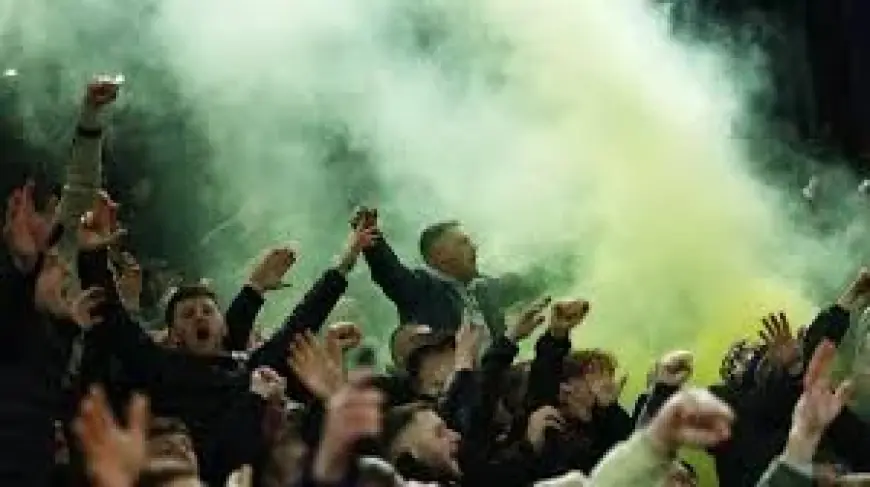
That legal boundary has practical consequences. At an FA Cup fifth-round tie at Elland Road, Norwich City fans and sections of the home crowd exchanged chants referencing Jimmy Savile before kickoff, and the songs prompted boos alongside the responses. The fact that Savile was born in Leeds and that his name still surfaces at matches has driven the club’s lobbying effort, while prosecutors point to the statutory definition when deciding what can be pursued as a public order offence.
Contextual facts deepen the split. A 2013 report by London’s Metropolitan Police and the National Society for the Prevention of Cruelty to Children found large-scale criminality by Savile, documenting at least 214 sex crimes including 34 rapes between 1955 and 2009 and 450 people alleging abuse; hospitals tied to those crimes included Leeds General Infirmary and Broadmoor. For Leeds United, that history underpins the club’s argument that chants about Jimmy Savile are not mere insults but references to profound victimisation that should be treated as tragedy chanting or hate crime.
At the same time, the prosecutorial approach reflects a policy choice. The CPS’s 2023 measures focused on chants connected to football tragedies, and the agency’s current interpretation excludes non-football references. That interpretation explains why, despite public debate and media coverage, Savile chants have not produced the same legal consequences as chants about stadium disasters.
Finding: This comparison establishes that Leeds United’s campaign exposes a clear legal gap: the CPS framework strengthened in 2023 addresses football-related tragedy chanting but does not encompass chants about Jimmy Savile, leaving enforcement unlikely unless the CPS revises its definition. The test of that finding will be the Crown Prosecution Service’s response to Leeds United’s request. If the CPS maintains its current scope, the comparison suggests prosecutions and banning orders for Jimmy Savile chants will remain rare; if the CPS broadens the definition, enforcement is likely to increase and the club’s aims would be met.