Ceedee Lamb and the Cowboys’ mismatched silver uniform, explained

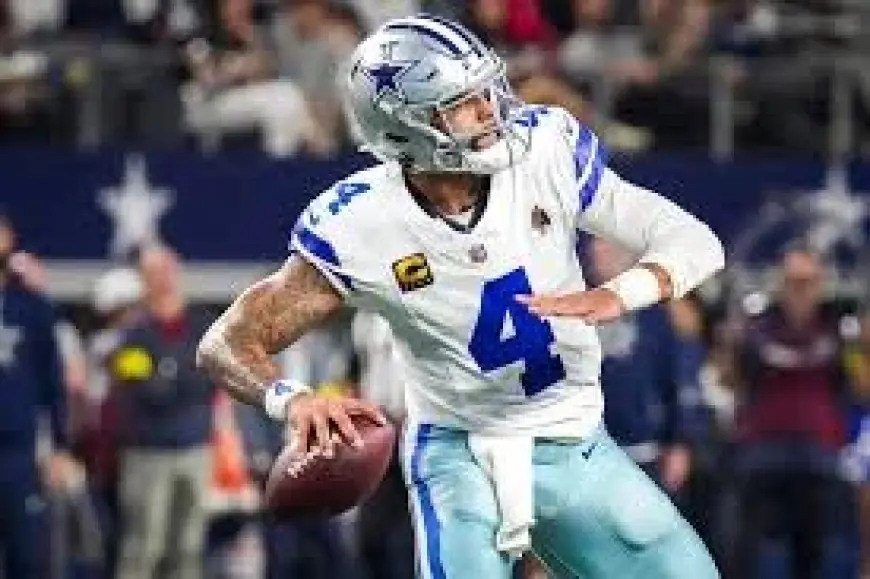
It’s a detail many fans miss until they can’t unsee it: the Dallas Cowboys’ silver helmets and silver pants are not the same shade. The mismatch is even measurable in the team’s official colors—PMS 8240 C for the helmet and PMS 8280 C for the pants. For players like ceedee lamb, it’s part of an on-field look that has stayed largely consistent for decades, even as modern screens made the difference harder to ignore.
Dallas Cowboys’ Pantone mismatch
The visual gap between helmet and pants is not just a matter of lighting or opinion; the Cowboys’ “silver” is defined differently for each piece of the uniform. The helmet’s official Pantone is PMS 8240 C, while the pants are PMS 8280 C. The figures point to something more deliberate than random variation: the team has effectively institutionalized the mismatch, allowing it to become a small but enduring part of the Cowboys’ identity.
That mismatch was easier to overlook for years. The pattern suggests technology, not constant redesign, turned a minor quirk into a recurring talking point. As television shifted to high-definition, the subtle difference became more apparent, and what once blended into a broadcast now stands out to viewers who watch closely.
1964 shift set the template
Dallas has “pretty much maintained the same uniform for their entire existence, ” with one significant uniform and helmet change occurring early in the franchise’s history, in the mid-1960s. Their first uniforms closely resembled what the team now uses as retro or throwback looks: a white helmet with a blue star, blue home jerseys, white away jerseys, and white pants with a blue stripe—sometimes seen during a Thanksgiving Day game or another special occasion.
In 1964, the Cowboys adopted a simpler look that essentially mirrors today’s home uniform. They traded the white helmets for a bluish-silver, flip-flopped home and away jersey colors, and moved—for a time—to bluish-silver pants that matched their bluish-silver helmets. The sequence matters because it shows the organization’s baseline preference: uniform consistency in shape and concept, even if the exact shades evolved later. For a current star like ceedee lamb, the modern kit is less the product of frequent redesign and more the cumulative result of a few pivotal decisions that stuck.
Tex Schramm and Jerry Jones priorities
The greenish, pearlish “silver” pants worn today—sometimes referred to as “seafoam green”—trace back to Tex Schramm, the former Cowboys president and general manager. Schramm’s interest began with a car interior in a similar color, which he liked enough to want his football team to wear it. The change to that distinctive pants color was made in the early 1980s, creating the foundation for the mismatch fans notice now.
Uniform choices in Dallas have also been shaped by functional and branding considerations that reinforce consistency over correction. The Cowboys are one of the only NFL teams to wear white at home, a choice originally designed to build a competitive advantage: under the September and early-October sun at the Cotton Bowl, dark jerseys absorbed sunlight while white reflected it. The approach didn’t become less relevant when the team moved to Texas Stadium, with its giant hole in the roof. The analytical takeaway is straightforward: the Cowboys have historically treated uniform decisions as strategic and identity-driven, which helps explain why a cosmetic mismatch can persist.
There have still been changes at the margins. The pants’ tint has occasionally shifted, including a period when Nike’s pants looked more turquoise-ish after the NFL changed uniform suppliers. Yet the core reality remains: when the Cowboys take the field, it is in a slightly mismatched uniform. One stated rationale is that the greenish-silver pants make the royal blue accents pop more on TV.
At the top of the organization, Jerry Jones—owner, president, and general manager—appears reluctant to change the team’s base uniform. A longtime Cowboys equipment manager, Mike McCord, described Jones’ view of the home uniform as comparable to the New York Yankees’ pinstripes, emphasizing an instinct to avoid changing what has become iconic. For now, the open question is whether Dallas ever decides that broadcast-era scrutiny outweighs the value of keeping a familiar look that has, by design or by habit, remained just slightly imperfect.