Justice Department Revives Program to Restore Gun Rights: NPR

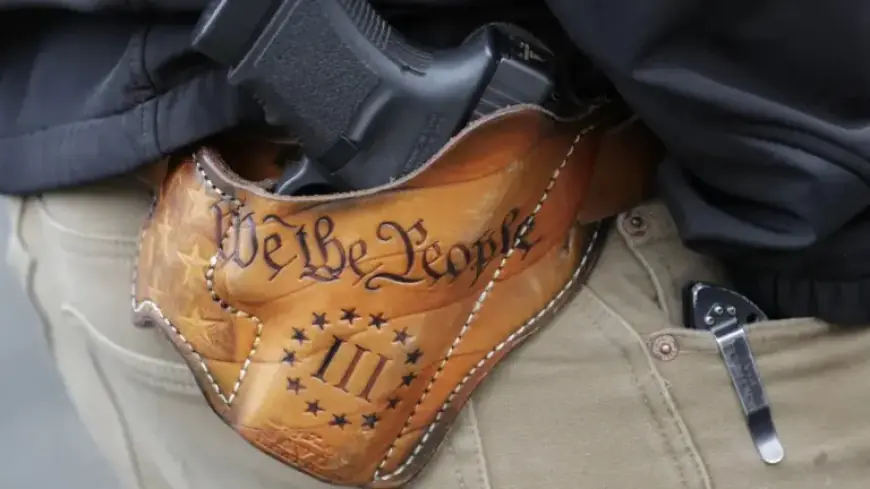
The U.S. Department of Justice (DOJ) has revitalized a long-dormant program aimed at restoring gun rights to certain individuals with felony convictions. Recently, the DOJ published a list in the Federal Register, detailing 22 individuals who have regained their federal gun rights. This action comes after decades of restrictions on the program, which supports the restoration of Second Amendment protections for those no longer deemed unsafe.
Key Details of the Gun Rights Restoration Program
This revived initiative allows individuals with specific felony convictions, or those facing indictments, to regain their gun rights. The DOJ’s latest decision indicates a shift toward unburdening nonviolent offenders who have demonstrated rehabilitation. The first instance of restored rights under this program occurred in April 2023, involving ten individuals, including actor Mel Gibson for a past misdemeanor.
Notable Cases and Concerns
Among the list of restored rights recipients, one name stands out: Jake Hoffman, a Republican Arizona state senator. Hoffman is currently facing state felony charges related to alleged electoral fraud. Despite his ongoing legal troubles, the DOJ deemed the restoration of his gun rights to be “not contrary to public interest.” His case has sparked concerns regarding the integrity of the restoration process.
- 22 individuals had their federal gun rights restored.
- Most recipients had felony convictions from over 20 years ago.
- The initiative aims to help nonviolent offenders regain their Second Amendment rights.
- Jake Hoffman’s unique situation raises questions about the decision-making process.
Backdrop of the Program’s Revival
The revival follows a significant 2022 Supreme Court ruling, New York State Rifle & Pistol Association v. Bruen, which has triggered various legal challenges to existing gun laws, including restrictions on felons. The DOJ’s statement highlighted that the individuals who had their gun rights restored were convicted of non-violent offenses, such as passing counterfeit currency or possession of stolen vehicles.
Public Response and Regulatory Challenges
While some beneficiaries have expressed gratitude, such as Nick Sabatine, a 74-year-old lawyer from Pennsylvania who looks forward to hunting, critics remain wary. Gun control advocates, including Kris Brown of Brady United, have voiced concerns over the opacity of the decision-making process and potential loopholes that might allow violent offenders to regain rights.
The DOJ has proposed creating an online application portal for future participants, but formal processes and budget considerations have yet to be fully outlined. The department is currently reviewing public comments for its interim rule, offering a monitoring framework for the reinstatement of gun rights.
Historical Context
The history of gun rights restoration is fraught with challenges. In 1992, Congress halted the program after discovering instances where individuals who regained gun rights had previous violent offenses. The current revival bypasses some congressional restrictions, igniting controversy among lawmakers regarding the legality of the DOJ’s actions.
As critics call for transparency and caution, the program intends to reevaluate how gun rights are restored to those trying to reintegrate into society. The framework of the program remains under scrutiny, with ongoing discussions about its implications for public safety and gun rights as a whole.