Iran Warns Against Protests Amid Israeli Threats to Basij Forces

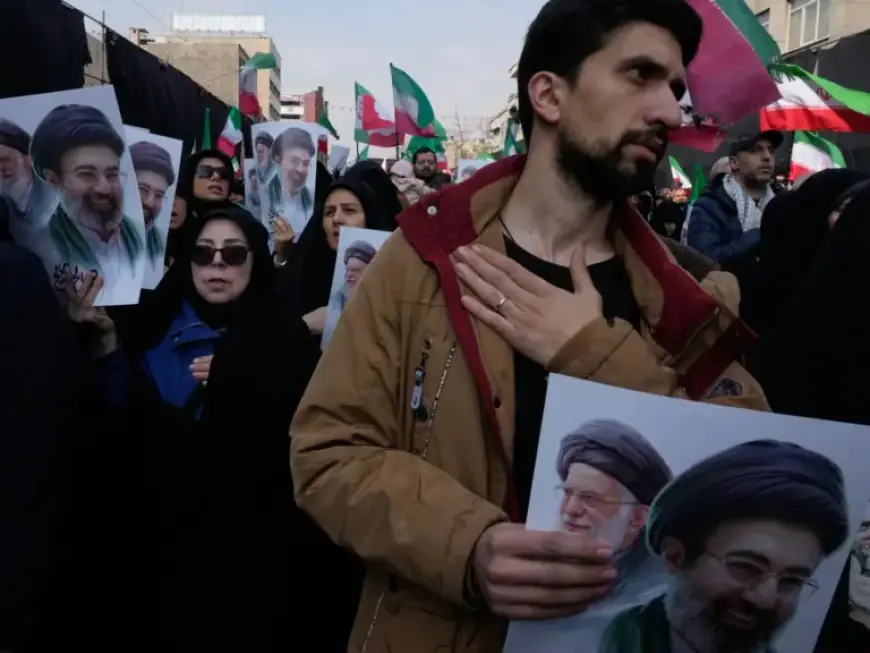
Iranian officials have issued stern warnings against potential internal protests as tensions escalate with Israel and the United States. Following threats directed at the Basij forces, part of the Islamic Revolutionary Guard Corps (IRGC), Iranian authorities have vowed to respond forcefully to any demonstrations. This pronouncement comes amid rising geopolitical hostilities and ongoing warfare, with Iranian leaders asserting they will not tolerate dissent.
Escalation of Tensions
Both US President Joe Biden and Israeli Prime Minister Benjamin Netanyahu have expressed their desire to see the Iranian regime dismantled. They urged the Iranian populace to remain alert and ready to act when opportunities arise. Ahmad-Reza Radan, the chief of police, stated that those who protest in alignment with foreign adversaries will be regarded as enemies.
Protests and Crackdowns
Recent months have witnessed violent nationwide protests, during which thousands have reportedly died. The Iranian regime attributed these uprisings to “terrorists” supposedly supported by foreign powers. In response, organizations like the United Nations have criticized Iran for its excessive force against civilians and a significant internet blackout lasting 20 days.
- Thousands killed during recent protests.
- 20-day internet shutdown imposed by the government.
Radan confirmed the presence of police and Basij forces patrolling urban areas continuously. In the wake of protests, armed checkpoints have emerged throughout Tehran. Additionally, state media has shown footage of these forces participating in street demonstrations, calling for retaliation against perceived threats.
Increased Military Operations
Military actions have intensified, with attacks on civilian and military infrastructures. A recent missile strike targeted a Bank Sepah facility linked to armed forces, resulting in multiple casualties among bank staff. This incident is part of a broader campaign to extend military operations against US and Israeli interests.
- Recent missile strike on Bank Sepah in Tehran.
- High casualties reported from the attack.
Global Responses and Future Implications
The conflict continues to exert pressure on the Iranian populace, who grapple with the consequences of the war and ongoing internet restrictions. Internationally, Iranian state media has escalated rhetoric against both the US and Israel, denouncing internal dissent as alignments with foreign adversaries.
As tensions rise, Israeli officials have hinted at future actions targeting lower-level IRGC and Basij forces. Netanyahu has addressed the Iranian people, suggesting potential paths to resist the current regime.
- Netanyahu’s call for action against the Iranian leadership.
- Warnings for Iranian citizens perceived as dissenters.
In conclusion, the situation in Iran remains volatile as authorities combat both internal protests and external threats. The government’s approach during this crisis has ignited debates about civil liberties and the future of the nation amid ongoing military conflicts. As the international community watches closely, the Iranian people are left to navigate a complex landscape of fear and resistance.