Airline Hedging Strategies Fail Amid Rising Jet Fuel Prices

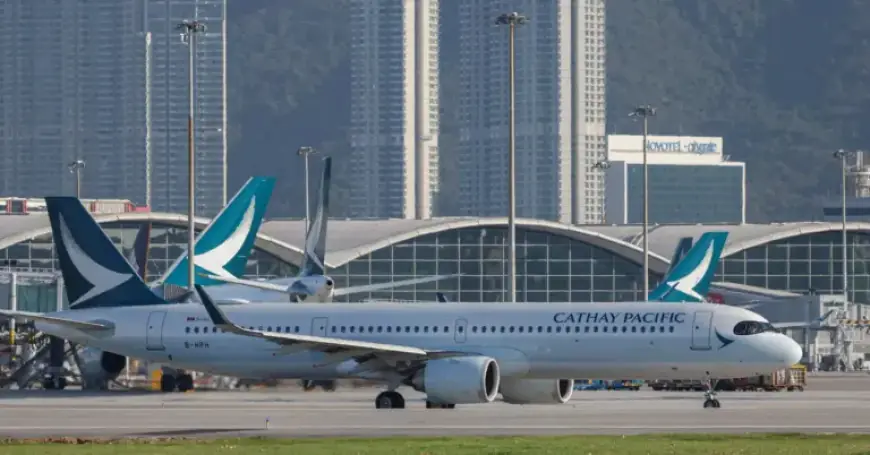
As jet fuel prices surge, airlines struggle to manage the impact on their operations. Since the onset of the U.S.-Israeli conflict over Iran, jet fuel costs have escalated significantly, outpacing crude oil price increases. This rapid rise poses a substantial challenge for airlines worldwide, prompting fare hikes and service cutbacks.
Jet Fuel Prices Spike
Since the beginning of 2023, the price of jet fuel has doubled, reflecting a dramatic disconnect from the roughly one-third rise in crude oil prices during the same period. This phenomenon has created pressure on airline profit margins.
Impact on Airlines
Airlines are adapting by increasing fares, implementing fuel surcharges, and trimming flight capacities. Major carriers, including those in the United States and China, face these challenges without sufficient hedging contracts in place.
- Effects of Increased Prices: Airlines are raising fares and cutting routes.
- Hedging Strategies: Many carriers utilize hedges against crude oil but find themselves exposed to rising jet fuel costs.
- Market Sensitivity: Budget airlines tend to suffer the most due to their price-sensitive customer base.
Future Projections and Reactions
Experts anticipate that airline profits could decline sharply if jet fuel prices continue to climb. In Europe, for instance, a 10% increase in jet fuel prices may lead to a 31% drop in operating profit for budget airline Wizz Air.
Company Responses
Carrier strategies vary significantly:
- Wizz Air: 83% of its fuel needs are hedged through March 2025.
- Cathay Pacific: Relies primarily on crude oil hedging, exposing it to jet fuel price volatility.
- Asian Airlines: Many lack sufficient hedging against jet fuel, exposing them to losses in profitability.
Conclusion
The ongoing crisis in the Middle East continues to disrupt global airline operations. As they navigate rising jet fuel prices, carriers must adapt their pricing and capacity strategies. The volatility of jet fuel prices will remain a significant concern for both management teams and passengers alike.