Travel Vaccine guidance sharpens as Bolivia’s chikungunya alert persists

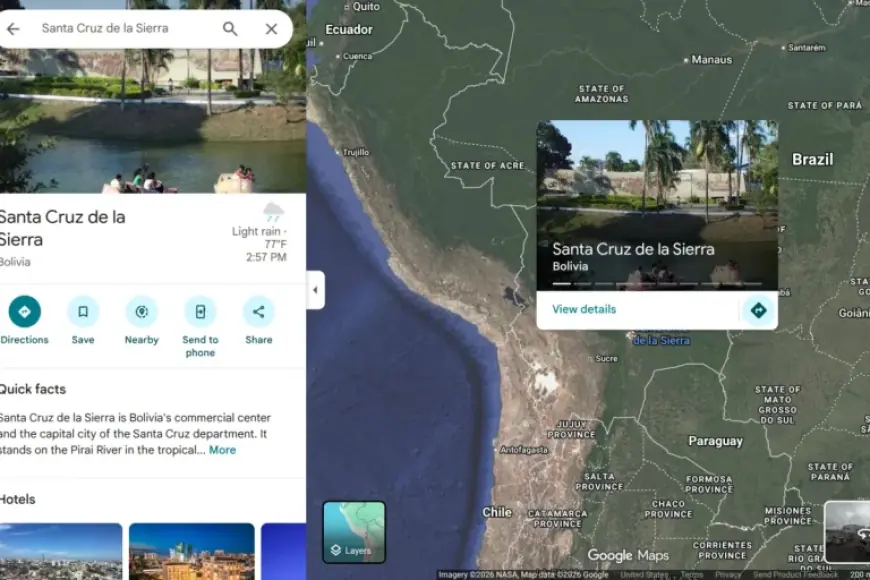
Bolivia’s chikungunya outbreak remains centered on Santa Cruz even as officials describe a recent downward trend, keeping the travel vaccine conversation active for people planning to visit affected areas. Nationally, chikungunya cases reached 5, 371 as of March 7, with Santa Cruz accounting for most infections, while public health actions continue to focus on mosquito control, surveillance, and traveler precautions.
Santa Cruz case counts diverge
Two official tallies underscore both the scale of the outbreak and the sensitivity of how it is measured. Bolivia’s Ministry of Health put the national case count at 5, 371 as of March 7, with Santa Cruz registering 4, 371 cases. Separately, Santa Cruz’s Departmental Health Service (SEDES) tracked 4, 283 positive cases for 2026 in the department, described as Bolivia’s primary epicenter.
The difference between 4, 371 cases in Santa Cruz and 4, 283 positives in Santa Cruz does not resolve itself inside the available information, but it signals a common challenge in fast-moving outbreaks: totals can reflect different cutoffs, reporting pipelines, or definitions. The figures point to the same reality—Santa Cruz dominates Bolivia’s chikungunya burden—and that concentration is driving where authorities deploy personnel, insecticide, and community cleanup messaging.
SEDES positivity rate stays high
Local trendlines offer cautious relief, yet they do not remove the risk flagged for residents and visitors. SEDES recorded 655 positive chikungunya cases in the latest epidemiological week, about 300 fewer than the previous week, and described the epidemic as easing slightly. Still, the positivity rate remained 51%, meaning more than half of those tested were infected with the East/Central/South African genotype of the chikungunya virus.
The pattern suggests that fewer positives week-over-week can coexist with sustained transmission, especially when test positivity remains elevated. A 51% positivity rate also implies that the pool of people seeking tests—whether due to symptoms or exposure—continues to yield a high share of confirmed infection. For travelers, that combination helps explain why precautions remain part of official messaging even as case counts start to dip.
CDC notice and Travel Vaccine option
Travel risk messaging has extended beyond Bolivia’s own health actions. The U. S. Centers for Disease Control and Prevention issued a Level 2 Travel Health Notice for Santa Cruz and Cochabamba due to the outbreak. The notice advises travelers to use insect repellents, wear protective clothing, and consider vaccination where appropriate—guidance that ties personal protection directly to outbreak conditions on the ground.
At the same time, the context around a travel vaccine has become more concrete. As of March 9, 2026, the main available vaccine option in the United States and select countries was VIMKUNYA®, a non-live virus-like particle vaccine produced by Bavarian Nordic A/S. The vaccine was approved by the U. S. FDA in 2025 and is commercially available at travel clinics and pharmacies. That availability gives travelers an additional decision point alongside repellents and clothing, particularly for itineraries that include Santa Cruz or Cochabamba under the Level 2 notice.
Inside Bolivia, the operational response described by the Ministry of Health and Sports focuses heavily on reducing mosquito breeding and contact rather than vaccine deployment. The Ministry and the National Vector-Borne Diseases Program implemented an Integrated Management strategy combining chemical and biological control with an emphasis on environmental health. The Ministry kept 20 experts and 335 brigade members deployed in strategic districts, concentrating in Santa Cruz de la Sierra’s districts 9 and 10, where more than 12, 000 homes were covered and sites such as tire shops and health facilities were addressed. Actions included distributing 1, 300 liters of insecticide and applying biological larvicides using backpack sprayers.
Public guidance also targeted household and neighborhood practices: dense vegetation was described as a refuge for mosquitoes, and residents were urged to clear weeds in yards and gardens and to join community clean-ups to remove containers that collect water. The Ministry also promoted VERTC prevention habits—Turn Over, Remove, Remove, Cover, and Scrub—and said it was maintaining epidemiological surveillance not only of chikungunya but also dengue, Zika, malaria, and leishmaniasis, while ensuring availability of medications and free treatment.
The next clarity point left open by the available information is whether the week-to-week decline cited by SEDES continues alongside a 51% positivity rate, and how that trajectory influences travel guidance for Santa Cruz and Cochabamba. If the drop in weekly positives holds while positivity falls, the data suggests transmission is easing in a way that could eventually reduce pressure on both local response teams and traveler advisories; for now, the outbreak response and the travel vaccine decision remain tied to a still-high share of positive tests.