Unraveling the Downfall of ‘Highguard’: Gaming’s Latest Live-Service Flop

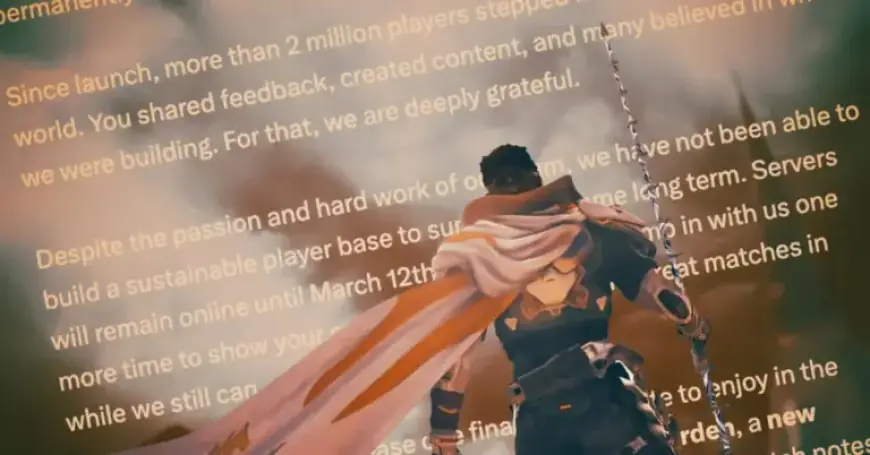
The recent failure of ‘Highguard’ raises critical questions about the future of live-service games in the gaming industry. Launched on January 26, 2026, this hero shooter made headlines for a brief 45-day lifespan before being consigned to the gaming graveyard. ‘Highguard’ was the first title from Wildlight Entertainment, a studio formed by veterans of Respawn Entertainment, known for successful titles like ‘Titanfall’ and ‘Apex Legends’. Despite an initial burst of nearly 100,000 concurrent players on Steam, ‘Highguard’ saw rapid player declines, leading to its demise.
Launch and Demise of Highguard
‘Highguard’ was prominently featured as a major announcement at the Game Awards in December 2025, following over three years of development. However, the game’s quick decline, including a lack of player retention and subsequent layoffs of the development team, has sparked discussions about the viability of live-service models. The game is set to shut down soon after its launch, and this situation begs the question: is the live-service model broken?
The Trajectory of Highguard
- Launch Date: January 26, 2026
- Shutdown Date: March 12, 2026 (45 days post-launch)
- Initial Players: Nearly 100,000 concurrent on Steam
- Peak Popularity: Informed by marketing from Geoff Keighley at the Game Awards
Criticism and Challenges
Despite an exciting debut, ‘Highguard’ faced backlash over perceived generic gameplay compared to other successful titles. The game’s trailer, which aimed to showcase its uniqueness, failed to convey its mechanics effectively. Many gamers entered the experience with skepticism, further exacerbated by recent failures in similar games.
Factors Contributing to the Downfall
Several issues converged to lead to ‘Highguard’s’ swift decline, including:
- Live-Service Fatigue: Ongoing rejection of new live-service games by consumers saturated with options.
- Market Competition: Competing against popular long-standing titles like ‘Overwatch’, ‘Fortnite’, and ‘Counter-Strike’.
- Development Missteps: Failure to adapt based on player feedback and a lack of humility in design decisions.
- Funding Issues: Backing from Tencent became a liability when funding was abruptly withdrawn, leading to layoffs.
Industry Reactions
The closure of ‘Highguard’ may serve as a cautionary tale for developers. Wildlight’s recent statements indicate that lessons need to be learned about player engagement and market dynamics. In an industry increasingly wary of live-service models, there is a pressing need for studios to reassess their strategies.
The Future of Live-Service Games
As the gaming community reflects on the fallout from ‘Highguard’, the industry’s future remains uncertain. The significant player loss serves as a reminder that consumer reception is critical. Developers must adapt quickly to shifting market trends and consumer expectations. Highguard’s downfall provides key insights, urging studios to prioritize solid gameplay and community feedback over marketing hype.
The case of ‘Highguard’ is not just about a single game’s failure; it encapsulates broader issues within the gaming landscape. Moving forward, the industry may be better served by embracing diversity in game design rather than chasing trends that are proving visibly unsustainable.