Iranian Soccer Star Withdraws Asylum Request, Discloses Teammates’ Location

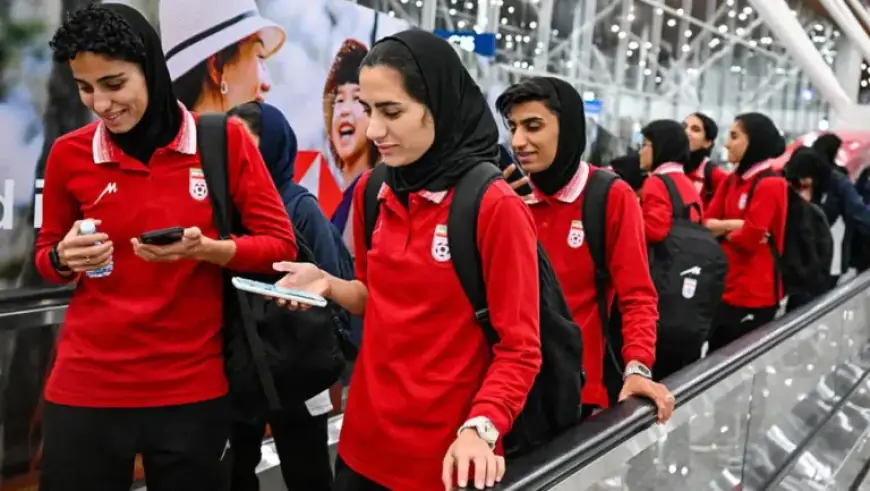
In a significant development, five players from Iran’s women’s national soccer team have accepted asylum in Australia. This decision follows their striking silent protest during the national anthem at the Asian Cup, which drew international attention.
Background of the Protest
The Iranian women’s soccer team garnered headlines for their silent protest against the Iranian regime during a match in Australia. Refusing to sing the national anthem was seen as a bold statement. The players faced backlash, with Iranian state television labeling them “wartime traitors.”
Asylum in Australia
After the protest, Australian officials extended an invitation for asylum to the players. Five members decided to accept humanitarian visas, while two others initially expressed similar intentions. However, one of them later changed her mind and returned to Iran.
Complications Arise with Teammates’ Location
Upon returning home, the player disclosed the whereabouts of her teammates who had chosen to stay in Australia. As a result, Australian authorities swiftly relocated the remaining players for their safety. Home Affairs Minister Tony Burke underscored the unpredictability of such situations, highlighting the player’s right to change her decision.
Players Staying in Australia
The five players currently residing in Australia are:
- Fatemeh Pasandideh
- Zahra Ghanbari
- Zahra Sarbali
- Atefeh Ramazanzadeh
- Mona Hamoudi
Repercussions in Iran
Following their protest, the team performed the national anthem and gave a military salute in later matches, actions some interpreted as coerced. Iranian officials claimed that returning players would face no repercussions. Iranian First Vice President Mohammad Reza Aref stated that the government guarantees safety for those who come back.
The Broader Context
The situation unfolded amidst rising tensions between Iran and other nations, particularly the United States and Israel. It occurred shortly before the death of Iran’s Supreme Leader, Ayatollah Ali Khamenei. Minister Burke remarked that the players’ silence during the anthem resonated worldwide, amplifying the significance of their protest.
Conclusion
The asylum-seeking journey of these Iranian soccer players reflects their ongoing struggle against an oppressive regime. Their actions and decisions have sparked vital discussions on human rights and personal freedoms.