Puget Sound Energy customers face another jump as utility seeks 30% increase

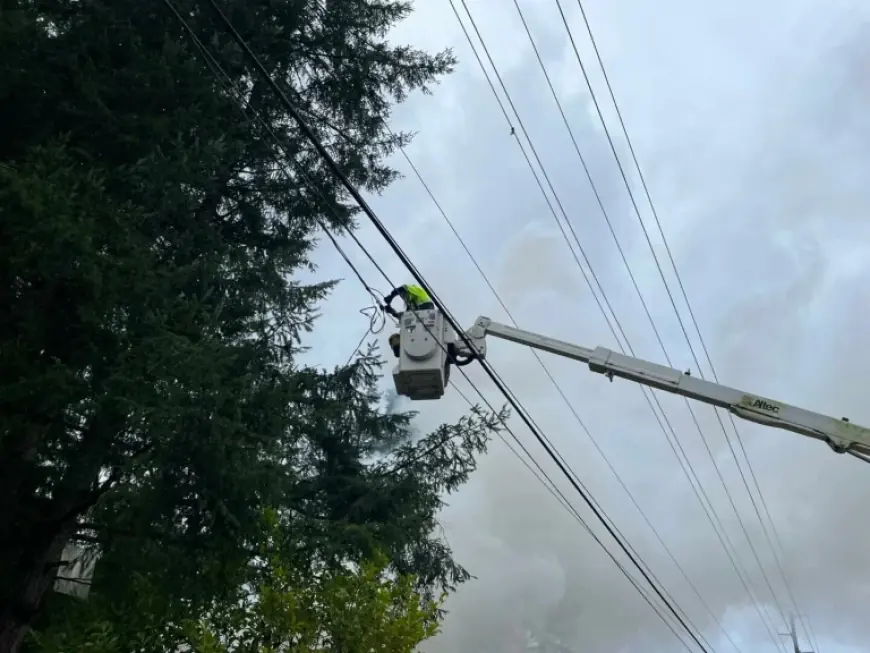
For many puget sound energy customers, the most recent change arrived with the new year: bills rose 12% because Washington regulators approved the recovery of costs tied to climate compliance, clean-energy expansion, and grid reliability work. Now the utility is asking for more. A new three-year plan before the Washington Utilities and Transportation Commission would push electric rates up by nearly 30% and gas bills up by nearly 20% by 2029 for residential customers.
Melanie Coon and the new plan: what residential customers are being asked to absorb
Puget Sound Energy’s proposal puts a longer arc on what customers already felt earlier this year. The utility is asking the Washington Utilities and Transportation Commission to sign off on a multi-year rate change plan that, if approved, would raise electric bill rates by nearly 30% and gas bills by nearly 20% by 2029 for residential rate payers.
Those numbers land after a year when bills already “shot up” 12% for Puget Sound Energy customers. The increase was tied to state-approved recovery of costs related to Climate Commitment Act compliance, an expanded clean energy portfolio, and investments described as critical to grid reliability. In an email, PSE Public Relations Manager Melanie Coon said customer rates increased on January 1, driven largely by costs to comply with the Climate Commitment Act on the natural gas side, and by increased power costs for electric customers. She connected those electric-side costs to the company needing to purchase more renewable energy and replace energy from legacy coal providers under the Clean Electricity Transformation Act.
Coon also said that in August 2025, PSE began charging electric customers to recover the costs of complying with the Climate Commitment Act in excess of free allowances the utility receives. The effect, in practice, is that compliance costs are not only part of a policy conversation in Olympia; they show up on monthly statements.
Washington Utilities and Transportation Commission review, plus 11 CETA projects
The rate request now sits with the Washington Utilities and Transportation Commission, the body that will decide whether Puget Sound Energy can implement the proposed changes. The company frames the request as a response to multiple pressures, including mandated transitions and the need to keep the system reliable.
Coon said the new rate change request comes because “there is a significant investment in new CETA eligible resources, ” adding that there are 11 new projects included in the case. At the same time, she cautioned that it would not be accurate to assign the full cost of those resources solely to policy choices.
Still, the filing leans heavily on resource acquisition and the costs that come with it. Coon said the case includes costs of new natural-gas-fired capacity resources meant to meet peak demands when energy from renewables is not available. She added that approximately 40% of the rate proposal is tied to acquiring all of these resources. For customers, that explanation translates into a bill shaped not only by day-to-day usage but by a system designed to deliver power when demand rises and when certain resources are not producing.
Rep. Mary Dye, House Bill 2515, and data centers pressuring the system
The request has also drawn pointed political reactions. Pomeroy Republican Rep. Mary Dye, ranking minority member on the House Environment & Energy Committee, argued that Puget Sound Energy’s bid to raise bills reflects clean energy policies backed by Democrats. Dye said the company is building wind and solar projects across the state to meet the goals of the Clean Energy Transformation Act passed in 2019, and she framed the costs as falling on customers while shareholders benefit.
Dye also criticized what she described as a mismatch between building renewable projects and improving capacity, saying the output depends on wind and sun. In her view, that means utilities must effectively double generation capacity to cover times when renewables are not producing.
Beyond the debate over mandates, the context around the case includes another strain: data center construction tied to the energy-hungry demands of artificial intelligence. A bill in the state Legislature, House Bill 2515, seeks to hold data centers accountable by placing the burden of securing resources on operators of those facilities. The bill cleared the House of Representatives and was set for an executive session in the Senate Ways & Means Committee on Monday, but no action was taken.
For now, puget sound energy customers sit between competing explanations: compliance costs tied to the Climate Commitment Act and Clean Electricity Transformation Act; investments described as necessary for reliability; and a system under additional pressure as large power users expand. The next concrete step is the commission’s review of the utility’s three-year plan—an outcome that will decide whether the 12% increase that began January 1 is followed by the much larger changes requested through 2029.