William Neil Mccasland Missing: Law Enforcement Search vs. Public Speculation

William Neil McCasland, a retired Air Force general who vanished from his Albuquerque home on February 27 ET, has prompted both an expanded official search and intense public fascination over his ties to military space programs. This comparison asks which approach — the evidence-driven search led by the Bernalillo County Sheriff’s Office and the FBI, or the narrative-driven scrutiny from journalists and the UFO community — is likelier to yield verifiable results.
Bernalillo County Sheriff’s Office: recruitment, footage appeals, and search scale
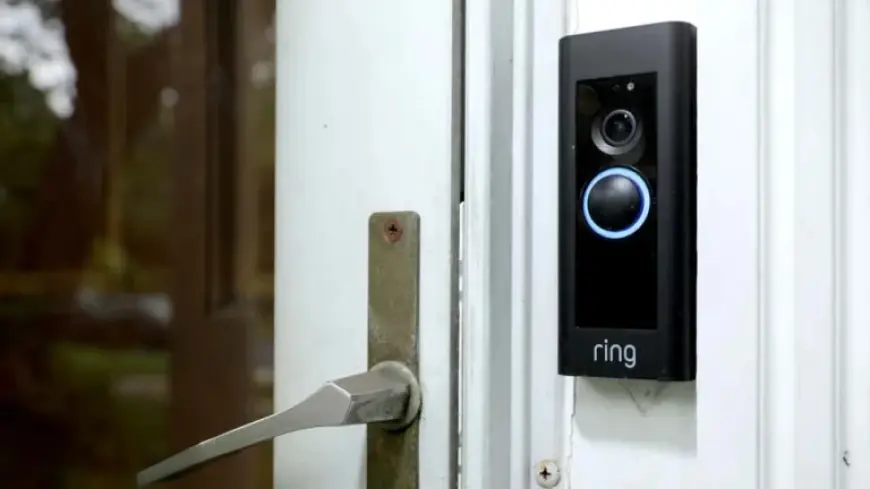
The Bernalillo County Sheriff’s Office has organized a broad, on-the-ground effort: some 600 people have been recruited for the search and the office appealed directly for “security camera footage or information. ” That outreach asked more than 600 nearby residents to hand over home security footage and it prompted a Silver Alert after initial concerns over McCasland’s unknown whereabouts. Investigators have said no confirmed sightings have emerged yet, and they are continuing to vet tips received during the nearly two-week search.
FBI involvement and calls for footage around William Neil Mccasland Missing
The FBI joined the search and issued its own request for information, seeking any video that might have incidentally captured McCasland’s location, specifically on February 27 ET or February 28 ET. The agency wrote that it believes people with valuable information may not yet have spoken to law enforcement, including those in the Sandia mountains who might have captured him on GoPro or other devices. That federal involvement broadened the search footprint beyond local canvassing.
Ross Coulthart and UFO-community framing versus law enforcement evidence standards
Public figures and parts of the UFO community have framed McCasland’s disappearance through a national-security lens. Ross Coulthart called the case a grave national-security crisis and raised the possibility of foul play given McCasland’s background in military space and technology programs. That narrative highlights motive and risk but relies on implication rather than verifiable leads such as camera footage or eyewitness sightings.
By contrast, law enforcement has applied standard evidentiary criteria: assembling search teams, issuing alerts, and seeking physical recordings tied to concrete dates. The FBI’s explicit focus on footage from February 27 ET and February 28 ET is an example of narrowing the inquiry to verifiable artifacts. Both sides use scale as a metric — hundreds of searchers versus public attention — but they treat evidence differently: public framing emphasizes possible motive and geopolitical risk, while authorities prioritize time-stamped recordings and tips that can be vetted.
Where divergence reveals structural limits and strengths
The divergence shows two structural realities. Law enforcement methods produce discrete, testable leads — doorcam clips, GoPro files, and vetted eyewitness accounts — and that structure yielded the recruitment of roughly 600 searchers and a formal request for footage tied to February 27 ET and February 28 ET. Public and UFO-community narratives marshal contextual details about McCasland’s career and perceived access to sensitive programs; those details intensify concern but do not by themselves create new, verifiable sightings.
Still, public attention can widen the pool of potential informants. The FBI and the sheriff’s office have explicitly asked for the community’s help, suggesting that narrative pressure and official procedure can intersect: community curiosity may prompt additional footage submissions, while law enforcement filters and vets what arrives.
Finding (analysis): Comparing the two responses establishes that the law enforcement approach — measured recruitment, a Silver Alert, and specific requests for footage tied to February 27 ET and February 28 ET — is structured to produce verifiable leads, while public and UFO-focused narratives amplify concern and may increase tip volume without guaranteeing actionable evidence.
If investigators maintain methodical vetting of tips and the FBI continues to collect time-stamped footage, the comparison suggests investigators are more likely to generate a confirmed sighting or lead than speculation alone. The next confirmed data point that will test this finding is any vetted, time-stamped recording or a confirmed sighting that ties McCasland to a location on February 27 ET or February 28 ET; if authorities secure such evidence, it will validate the evidence-first approach described above.