David Petraeus and the Strait of Hormuz threat shifting from mines to direct attacks

US intelligence reporting has assessed that direct Iranian attacks pose a greater danger to oil tankers in the Strait of Hormuz than naval mines, even after US strikes hit 16 mine-laying vessels near the waterway on Tuesday. The reassessment underscores how quickly the risk picture can change in a corridor described as effectively shut down by the Islamic Revolutionary Guard since the start of the US-Israeli war against Iran, complicating any push to restore regular maritime traffic.
Strait of Hormuz and US strikes
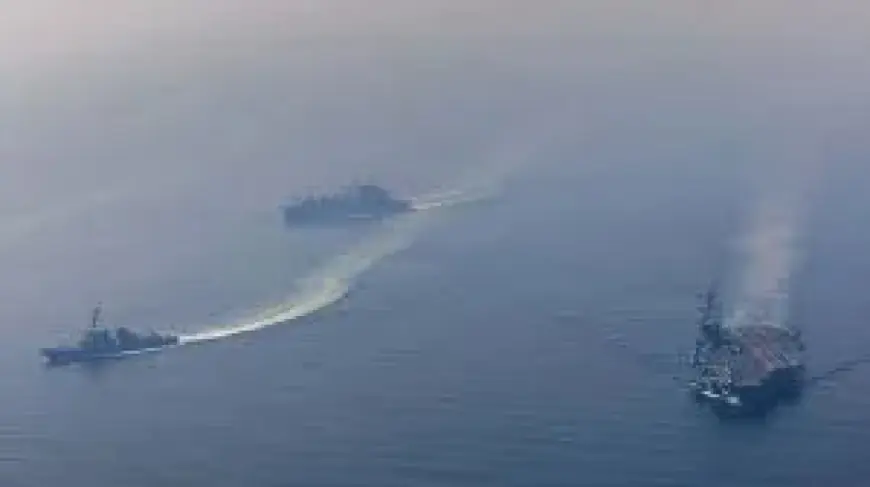
The Trump administration, concerned by possible Iranian preparations to mine the strait, carried out strikes against 16 mine-laying vessels near the Strait of Hormuz on Tuesday. US Central Command posted a video showing munitions hitting nine vessels, most of which were moored at the time they were struck. The action followed a warning from Donald Trump on Tuesday that threatened military retaliation if Iran attempted to place mines, and the strikes came shortly afterward.
Yet, the same intelligence picture driving those strikes has also elevated a different fear: that mines may not be the most consequential hazard facing tankers attempting to transit the strait. The pattern suggests the mine threat—while serious—fits into a category the US believes it had anticipated and prepared for, while direct attacks at scale introduce a different level of operational uncertainty for both naval planners and commercial operators.
US intelligence on Iran’s direct attacks
US intelligence reporting has described direct attacks by Iran as the greatest threat to oil tankers going through the strait, outweighing the danger posed by mines. Two people familiar with the intelligence, speaking anonymously to discuss sensitive details, described a scenario in which Iran could mount a direct attack “at scale, ” such as a swarm of one-way attack drones or a series of shore-to-ship ballistic missiles. The coastline of Iran runs along one side of the strait, and vessels transiting through are exposed to shore-launched attacks as they enter or exit the gulf.
The figures point to a stark asymmetry: just one missile or drone getting through defenses could decimate or sink a tanker, creating leverage for Iran even as the US launched what a senior administration official described as its largest attack against Iran in the conflict to date. That risk remains acute even under escort scenarios, because US navy destroyers might still be unable to intercept every incoming missile. The implication is not simply military; it directly affects whether commercial crews will accept the personal danger of piloting ships through a narrow, contested passage.
Chris Murphy, Chris Wright, and the reopening question
The difficulties in protecting oil tankers in the strait were discussed by US military officials in a classified briefing to top lawmakers on Tuesday. Democrats emerged from the briefing sharply critical of the administration, with Senator Chris Murphy posting afterward that officials “don’t know how to get it safely back open, ” while adding he could not provide more detail about how Iran could “gum up” the Strait. A White House spokesperson referred questions about risks in the strait to Trump’s Tuesday post threatening retaliation if Iran attempted to place mines.
For now, the broader stakes are visible in the numbers attached to the waterway itself: the Strait of Hormuz connects the Persian Gulf to the northern Arabian Sea and carries a fifth of the global oil trade. Since the start of the conflict on 28 February, the Islamic Revolutionary Guard has effectively shut down the strait and stranded oil tankers, cutting supply and contributing to a steep rise in oil prices that has translated into higher gas prices for US consumers.
David Petraeus has not been cited in the available briefing details or in the public exchanges described, but the emerging framework—direct attack risk eclipsing mines—sets a clear test for any strategy that aims to restore traffic. Energy Secretary Chris Wright said Sunday in an interview on ’s State of the Union that the US had successfully destroyed many of the weapons Iran might use to hit ships and expected regular traffic through the strait to resume in an incomplete quoted timeframe. The next measurable development left open in the current record is whether regular traffic actually resumes, and whether US officials can answer the specific operational challenge raised by Murphy: how to reopen the Strait of Hormuz safely in the face of direct-attack scenarios.