Nathan Chasing Horse sentencing delay in Nevada highlights uneven case timeline

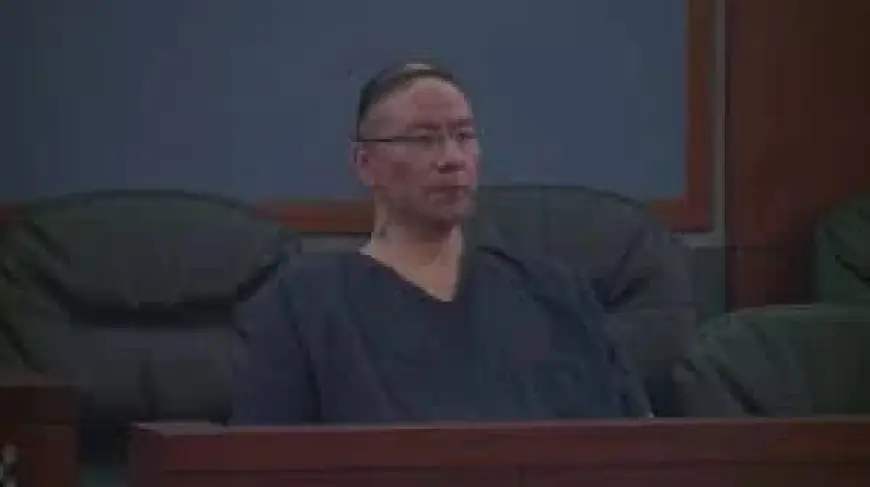
nathan chasing horse is set to be sentenced in Nevada after a jury convicted him on 13 of 21 charges tied to sexual abuse of Indigenous women and girls. Yet the record also shows shifting scheduling and an unresolved cross-border timeline: a Nevada hearing moved by a week, while related matters in British Columbia and Alberta remain contingent on the US case and its appeals.
Nathan Chasing Horse: the Nevada verdict, the minimum penalty, and the moved date
A Nevada jury convicted Nathan Chasing Horse on 13 of the 21 charges he faced, in a case centered on allegations of sexually abusing Indigenous women and girls. The conviction came about a month before his expected sentencing, and he was acquitted of some sexual assault charges.
Sentencing was initially scheduled for a Wednesday hearing, but Judge Jessica Peterson agreed to delay it by a week, moving the hearing to March 18. The context does not confirm what specific scheduling issue drove the change, beyond the judge’s agreement to move the date.
What is confirmed is the sentencing stakes. If sentenced to the minimum penalty, Nathan Chasing Horse faces at least 25 years in prison. The Nevada case is described as a yearslong prosecution effort that began after his arrest and indictment in 2023 and drew wide attention in Indian Country.
Bianca Pucci’s allegations and the gaps left by acquittals and denials
The Nevada prosecution’s narrative relied heavily on allegations that Nathan Chasing Horse used a reputation as a Lakota medicine man to prey on Indigenous women and girls. Deputy District Attorney Bianca Pucci told jurors that, for almost 20 years, he “spun a web of abuse” involving many women.
Jurors heard testimony from three women who said Nathan Chasing Horse sexually assaulted them, and the jury returned guilty verdicts on some charges related to all three. Still, the jury cleared him of several other sexual assault counts. That mixed outcome creates a documented tension: the state’s portrait of long-running abuse sits alongside verdicts that did not sustain every accusation presented at trial.
One allegation described in the record involves the central accuser, who was 14 in 2012 when Nathan Chasing Horse allegedly told her that spirits required her to give up her virginity to save her mother, who had cancer. Bianca Pucci said he then sexually assaulted her and warned that if she told anyone, her mother would die, and that the abuse continued for years. Chasing Horse has denied all accusations.
Craig Mueller’s failed new-trial bid and the Canada cases tied to US appeals
After the verdict, defense attorney Craig Mueller sought a new trial on two grounds: he argued that a witness who testified about grooming lacked proper qualifications, and that the statute of limitations had expired. The judge denied that request, leaving sentencing as the next scheduled milestone in Nevada.
Beyond the US proceedings, the case history described in the context shows how the Nevada timeline intersects with legal actions in Canada, but not on equal footing. In British Columbia, prosecutors charged Nathan Chasing Horse with sexual assault in February 2023 in a case linked to an alleged incident in September 2018 near Keremeos, a village about four hours east of Vancouver. Proceedings there paused in November 2023 while the US case moved forward, then resumed the following year.
Still, British Columbia prosecutors have not committed to a next step on the ultimate path of that case. The record states that once all appeals in the US case are finished, British Columbia prosecutors will assess how to proceed. That position leaves an open question: what remains unclear is how long the Canadian process may remain constrained by the pace of US appeals, and whether those appeals could function as a de facto gatekeeper for cross-border accountability.
In Alberta, the Tsuut’ina Nation Police Service said a warrant remains outstanding and that it is in contact with the Alberta Crown Prosecutors Office regarding the warrant. Separately, the context also describes a prior community response in the United States: in 2015, leaders of the Fort Peck tribe in Montana prohibited Nathan Chasing Horse from performing ceremonies on their reservation following allegations that included human trafficking, drug dealing, spiritual manipulation, and intimidation of tribal members.
The combined record points to a pattern of multiple legal and community actions spread across years and jurisdictions. Yet the timing remains uneven: Nevada has a rescheduled sentencing date, while British Columbia ties its next steps to the exhaustion of US appeals and Alberta references an outstanding warrant without detailing what comes next. If the March 18 sentencing proceeds as scheduled and any subsequent appeals timeline is clarified, it would establish the next definable threshold for when British Columbia prosecutors say they will decide how to move forward.