Iran to Boycott World Cup Over FIFA Peace Winner’s War Actions

Iran’s potential participation in the 2026 World Cup has turned into a complex and contentious issue. This situation escalated with recent military actions between the United States and Iran, further complicating Iran’s ability to send a delegation.
U.S. Visa Restrictions and Controversial Events
In December, the U.S. government denied visas to several members of Iran’s delegation for the World Cup draw. This restriction was part of a broader travel ban impacting many Iranian citizens and fans. As a result, this decision raised significant concerns about the Iranian public’s ability to attend the event.
Adding to the tension, officials from Iran and Egypt criticized a scheduled LGBTQ Pride event in Seattle, linked to the group-stage match between their national teams. This highlighted the ongoing geopolitical friction surrounding Iran’s participation.
Statements from Iranian Officials
Iran’s sports minister, Ahmad Donyamali, expressed the nation’s official stance. He condemned the U.S. government’s actions, stating, “Considering that this corrupt regime has assassinated our leader… we cannot participate in the World Cup.” Donyamali highlighted the severe implications of ongoing military conflicts, stating the U.S. has caused significant casualties in Iran.
FIFA’s Position
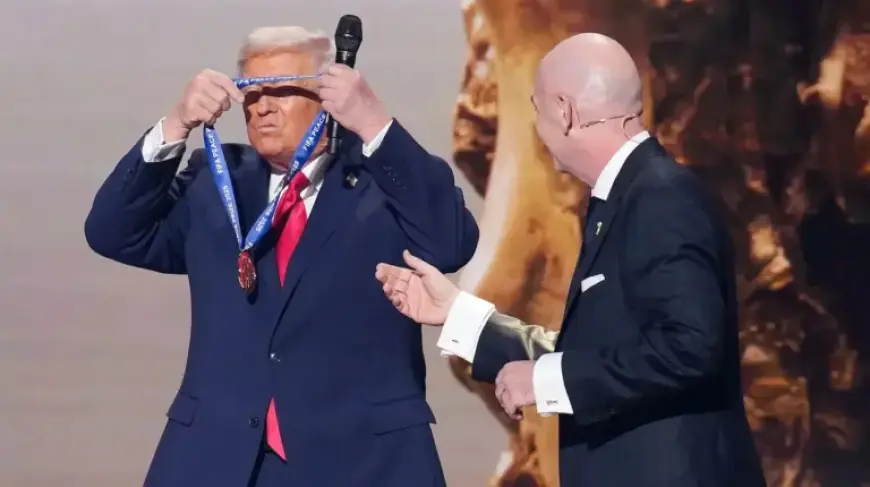
FIFA president Gianni Infantino acknowledged the complexities surrounding Iran’s participation in the tournament. He reported discussions with U.S. President Donald Trump, who maintained that Iran’s team was welcome to compete. Infantino emphasized the need for unity through sports in these challenging times.
Political Implications
The situation illustrates how soccer is intertwined with global political dynamics. Many in Iran view a World Cup boycott as a potential opportunity to reject perceived foreign aggression, while simultaneously addressing domestic dissent against the regime.
This political stance could be leveraged by the Iranian government to reaffirm its authority amid internal opposition. Notably, some players who might represent Iran have been critical of the regime, highlighting the increasing complexities of national representation.
Future Considerations
The deliberation over Iran’s participation in the World Cup remains unresolved. With strong sentiments expressed by both Iranian officials and U.S. leadership, the ultimate decision will likely reflect a combination of political interests and public sentiment.
- Key Facts:
- U.S. travel bans on Iranian citizens
- Political tensions highlighted by military actions
- Contrasting views on Israel and LGBTQ events
Ultimately, the fate of Iran’s participation in the World Cup symbolizes broader themes of nationalism, representation, and the intersection of sport and politics, making it a pressing issue leading up to the tournament.