Chubb headlines point to Gulf shipping role, but the record is blocked

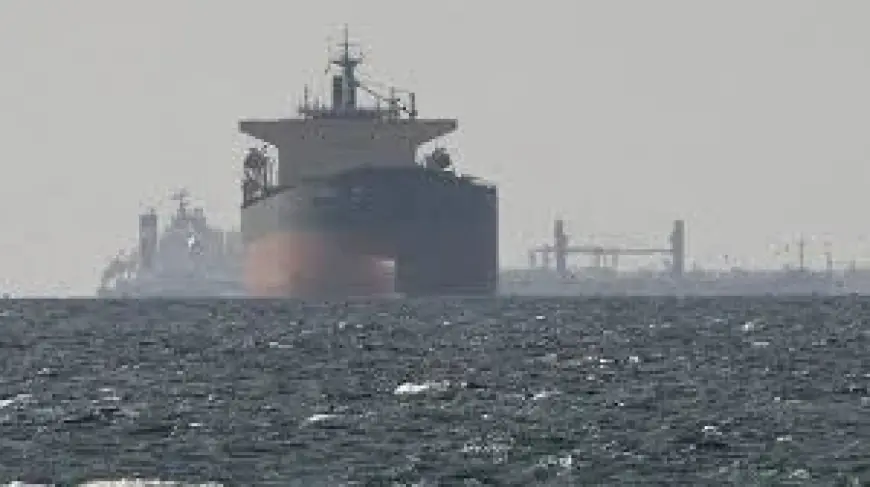
chubb is named across multiple headlines as central to U. S. insurance coverage for Persian Gulf shipping and to a Trump-linked reinsurance plan tied to Hormuz. Yet the only available underlying material in the provided record is not a story, but an access challenge page. That gap leaves the most basic questions about what is confirmed, what is claimed, and what is merely implied by the headlines unresolved.
Chubb in the headlines: Persian Gulf shipping and a Hormuz reinsurance plan
The provided inputs contain three distinct headline statements that collectively sketch a high-stakes narrative linking Chubb to maritime insurance and government decision-making. One headline says Chubb is set as the main U. S. insurer for Persian Gulf shipping “amid Iran war. ” Another asserts “Chubb Backing Trump’s $20 Billion Reinsurance Plan for Hormuz. ” A third describes a “grim choice” facing the Trump administration framed as “Economic or naval collapse. ”
Those headlines, on their face, imply a chain of connected events: a wartime shipping environment in the Persian Gulf, an insurance arrangement placing Chubb in a primary role, and a large reinsurance plan associated with Trump and Hormuz that could sit within a broader administration-level dilemma. Still, the context provided does not supply supporting detail for any of those components: no text explaining what “set as main U. S. insurer” means operationally, no documentation of what “backing” entails, and no description of how the “grim choice” is defined or measured.
Confirmed fact from the context is limited to the existence of these headline formulations themselves. The context does not confirm whether they refer to the same initiative, separate initiatives, or commentary tied to different moments.
. com access screen replaces the underlying record tied to Chubb
The only substantive text included in the provided context is a page labeled “Are you a robot?” that instructs the reader to click a box to continue. It says the browser must support JavaScript and cookies and must not block them from loading. It also references Terms of Service and a Cookie Policy, and it instructs inquiries to contact a support team with a reference ID. The page also promotes a subscription for global markets news.
That content does not address Persian Gulf shipping, Iran, Hormuz, Trump, reinsurance, or any economic or naval scenario. It functions as a gate rather than a report. As a result, there is no accessible article text in the record to corroborate, qualify, or contextualize the three headlines.
Two facts in the context establish this investigative tension: the presence of specific, consequential headlines that describe concrete actions and policy stakes, and the absence of any corresponding story text beyond an automated access challenge. Those facts create a verifiable gap between the surface narrative and the documented evidence available here.
What remains unverified from the blocked record, and what would resolve it
With only a verification page available, nearly every detail suggested by the headlines remains an open question within this context. The context does not confirm:
- Whether Chubb has been designated “main U. S. insurer” for Persian Gulf shipping, or who made that designation.
- What “amid Iran war” refers to in terms of scope, timing, or location.
- Whether a “$20 Billion Reinsurance Plan for Hormuz” exists, and if so, what its structure is and what “backing” means in practice.
- How the “grim choice” for the Trump administration is defined, and what evidence supports the framing of “economic or naval collapse. ”
For now, the record supports only a narrow, confirmed observation: the news inputs elevate chubb and Chubb as central actors in an insurance narrative tied to Persian Gulf shipping and Hormuz, but the underlying article text is not present in the provided context. That absence matters because it prevents verification of whether the headlines describe policy decisions, market developments, proposals, or commentary.
The specific evidence threshold that would resolve the gap is straightforward: the actual article content that sits behind the access barrier, or any equivalent text within the provided context that documents the claims embedded in the headlines. If the underlying reporting is provided and it confirms the alleged designation of Chubb and the stated reinsurance plan details, it would establish that the headlines reflect documented actions rather than unsupported framing. Until then, the context limits what can be responsibly stated to the existence of the headlines and the fact that the accessible record contains only a bot-check prompt.