Trump Revives Old Strategy Amid Expanding Iran War Fallout, Faces Rude Awakening

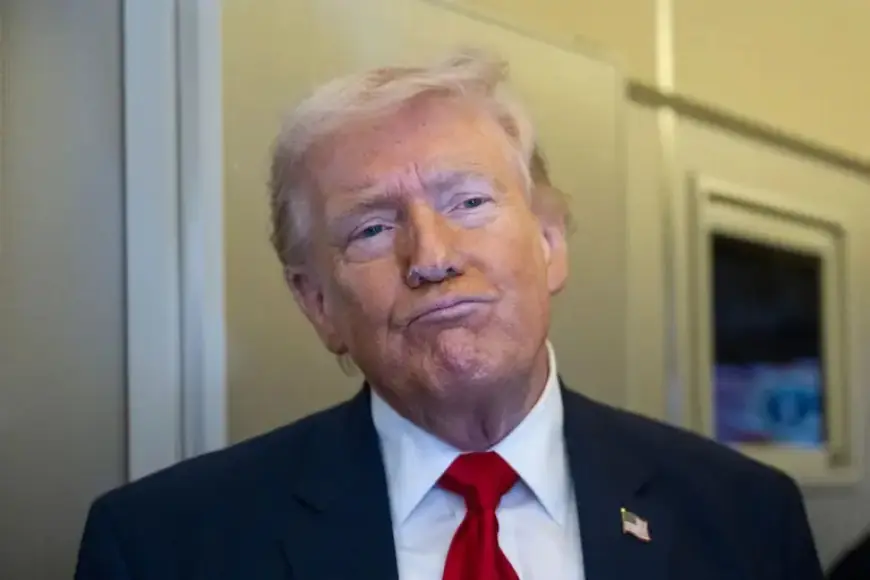
Donald Trump is facing pressure as the Iran conflict escalates. His approach mirrors a tendency to retreat from tough decisions, known as TACO, or “Trump Always Chickens Out.” This acronym was introduced by Financial Times commentator Robert Armstrong to signify Trump’s pattern of initiating bold policies only to backtrack under pressure.
Trump’s Shifting Stance on Iran
Recent statements from Trump indicate a wavering position on the ongoing conflict with Iran. On Monday, he claimed to CBS News that the war was “very complete” and “far ahead” of his earlier projections. This remark initially reversed the market’s decline and lowered oil prices below $90 per barrel. However, later that day, Trump contradicted himself at a policy retreat, stating, “We’ve already won in many ways, but we haven’t won enough.”
Market Reactions and Timeline Changes
- Trump’s statements have fluctuated between optimism about ending the war soon and acknowledging ongoing hostilities.
- By Wednesday, he declared the conflict would conclude shortly but also warned, “We’re not finished yet.”
This inconsistency raises questions about Iran’s response to Trump’s shifting narrative. The regime’s leadership, particularly with the election of Mojtaba Khamenei as the new supreme leader, may perceive these statements as weakness. Under Khamenei, Iran is expected to project strength, making it unlikely they’ll concede easily to U.S. pressure.
The Role of Regional Dynamics
Trump’s decisions are not made in isolation. Key allies, including Israeli Prime Minister Benjamin Netanyahu, wield significant influence. Netanyahu allegedly encouraged the U.S. to engage in military action, but Trump has varied in his commitment to this coalition. Competing interests from Iran’s neighbors—such as Saudi Arabia, the UAE, and Iraq—further complicate the calculus.
The Broader Implications of TACO Theory
TACO theory suggests that Trump often backs down when faced with significant market or military pressures. If gas prices rise or U.S. casualties increase, the likelihood of a reversal in stance grows. Yet, it’s crucial to note that Trump does not always withdraw. He has a history of stubbornness, often revisiting policies despite setbacks.
Conclusion: What Lies Ahead for U.S.-Iran Relations
While Trump may attempt to navigate a way out of the Iran situation through rhetoric, the feasibility of such a maneuver remains in question. The dynamics of warfare and geopolitical alliances do not lend themselves to abrupt endings. As the situation evolves, it will be essential to monitor both Trump’s actions and the reactions of global players to understand the future of the U.S.-Iran conflict.