Stoke City vs Ipswich Town: Championship Scores expose late drama and comeback resilience

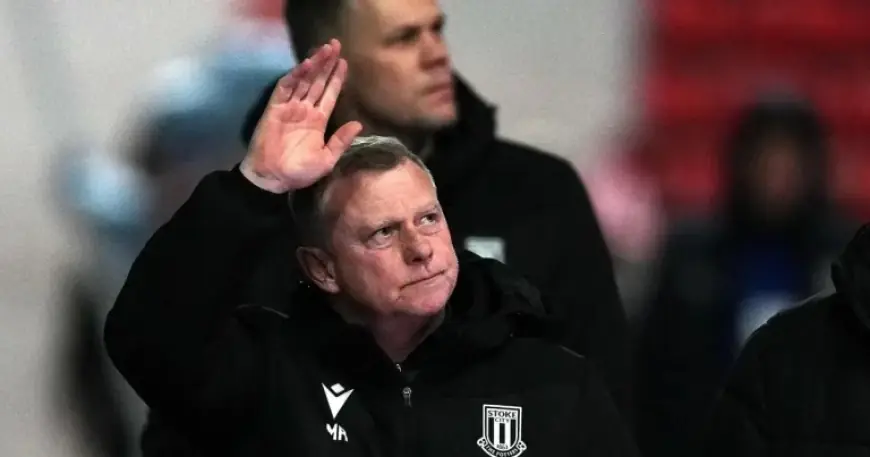
Milan Smit’s added-time penalty for Stoke City denied Ipswich Town victory in a 3-3 draw, and the match forced a clash between two defining moments: Stoke’s stoppage-time rescue and Ipswich’s second-half turnaround. This comparison asks which element—Stoke’s late spot-kick or Ipswich’s fightback—better reflects each club’s trajectory in the run of remaining fixtures.
Stoke City: Milan Smit’s penalty, squad strain and first English goal
Milan Smit, who joined Stoke City from Go Ahead Eagles in January, converted the added-time penalty after Cedric Kipre was penalised for pulling back Lamine Cisse, salvaging a 3-3 draw at the bet365 Stadium. Smit had earlier opened the scoring with his first goal in English football, and Bae Jun-Ho added a second before the break, giving Stoke a two-goal cushion at half-time.
Stoke entered the match with clear availability problems; the side made five changes and had 12 senior first-team players unavailable, including a suspended Sorba Thomas and injured captain Ben Wilmot. That context frames the penalty as both a point-winning moment and a symptom of thin resources: the rescued draw owed much to a substitute scorer and a late officiating decision rather than sustained depth across 90 minutes.
Ipswich Town: second-half comeback, goals by Burns, Taylor and Hirst, and McKenna’s view
Ipswich Town overturned a two-goal deficit after the break, with Wes Burns reducing the deficit a deflection, Jack Taylor volleying them level and George Hirst sweeping home what looked like the winner to make it 3-2. The Tractor Boys produced that dramatic turnaround despite playmaker Marcelino Nunez being absent with a knock.
Manager Kieran McKenna described the late penalty decision as “soft, ” reflecting frustration that a decisive advantage was wiped out in the fifth minute of stoppage-time. Ipswich remain fourth, three points behind Millwall and four adrift of Middlesbrough in second, with 10 games to play, so the team left the bet365 Stadium with both points gained from a comeback and the sting of a surrendered win.
Championship Scores: comparing stoppage rescue and comeback on resilience, management and standings
Measured on resilience under pressure, Ipswich demonstrated a clearer capacity to alter a game: they scored three second-half goals from Wes Burns, Jack Taylor and George Hirst after trailing at half-time. Stoke’s resilience, by contrast, showed in their ability to find a stoppage-time penalty Cedric Kipre’s challenge and Milan Smit’s composure from the spot.
On management response, Mark Robins’ terse reaction — “I don’t care” about whether the penalty was soft — contrasted with Kieran McKenna’s public view that the decision was soft. Robins framed the moment as deserved compensation for past unawarded penalties, while McKenna focused on the injustice of losing a win late; both responses highlight different managerial priorities when a result shifts in the final minutes.
On the standings impact, Ipswich’s comeback left them fourth with 10 games to play, three points behind Millwall and four behind Middlesbrough, while Stoke secured a point that underlines how single decisions can alter the distribution of points late in tight promotion and play-off races. The match therefore operates as a microcosm of two trends: Ipswich’s capacity to fight back across 45 minutes and Stoke’s ability to extract results despite limited squad availability.
Finding: Ipswich’s second-half turnaround more reliably signals sustained competitive momentum, while Stoke’s stoppage-time penalty exposes short-term opportunism under resource strain. The comparison establishes that sustained recovery across a half is a stronger indicator of a team’s form than a solitary, late officiating decision.
Next confirmed test: the remaining 10 games will decide whether Ipswich convert that second-half resilience into points and close the gap. If Ipswich maintain consistent comebacks or win from leading positions, the comparison suggests they will climb the table; if they instead drop points after producing late goals, the value of the comeback as a predictor of final position will weaken.