Explore ‘Marathon’: A 90s Nostalgia Masterclass with Fluorescent Characters & ASCII Text

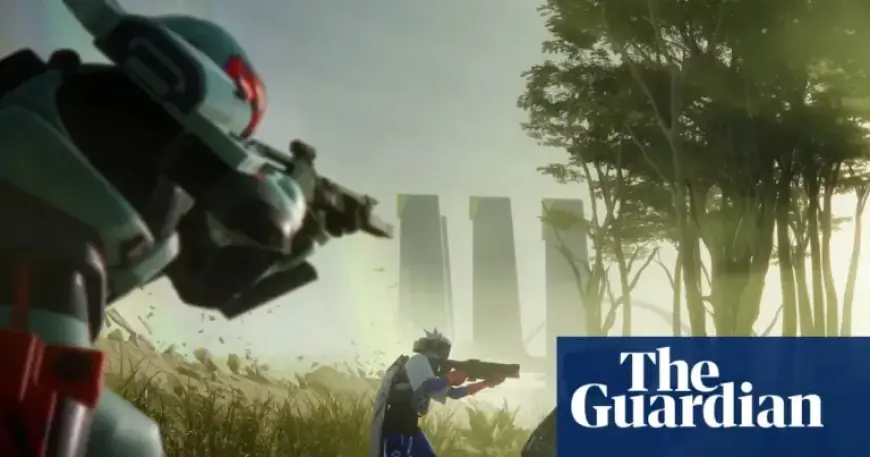
In the mid-1990s, Bungie’s Marathon emerged as a pivotal multiplayer shooter for Mac users, defining an era of video gaming intertwined with club culture. The game became a staple for staff at Edge magazine, allowing magazine employees to connect after work over epic sessions of gameplay, accompanied by the electronic beats of Chemical Brothers and Orbital.
Return of Marathon: A Nostalgic Journey
This week, Bungie released the new version of Marathon, bringing back the 90s futuristic aesthetic through an online sci-fi extraction shooter format. Players are transported to Tau Ceti IV, where they scavenge for loot, engage in missions, and potentially combat each other. Its closest competitor, Arc Raiders, also channels retro-futurism.
Inspiration from the 90s
In a recent discussion, Bungie’s global franchise director, Philip Asher, highlighted various influences, including Sony’s Wipeout series. The aesthetic choices in Marathon draw heavily from the vibrant styles popularized in the 90s, featuring neon colors, glitchy visuals, and a soundtrack that immerses players in a chaotic digital realm.
- Character models embody the spirit of 90s ravers.
- Retro fonts and animated icons populate the load-out screens.
- Distorted visuals create an immersive experience reminiscent of old HTML websites.
The nostalgia for this era is palpable. Marathon not only evokes memories of cyberpunk classics like Johnny Mnemonic and Ghost in the Shell but also reflects a time when video game advertising was visually striking, often drawing comparisons to Blade Runner.
Uncompromising Vision in Modern Gaming
Bungie’s dedication to this retro aesthetic is evident. The menus overflow with ASCII text, and every environment on Tau Ceti IV features archaic computer displays with scrolling green text. This visual style challenges the recent trend of homogenization in video games, boldly standing out in a crowded marketplace.
The Brave Gamble of Marathon
The decision to pursue a distinctly nostalgic vision is a courageous one. Many online shooters, such as Concord and XDefiant, have fallen by the wayside recently. Bungie’s commitment to an authentic 90s aesthetic in a competitive landscape reveals an optimistic approach to game design.
Interestingly, the new narrative surrounding technological relics from a once-advanced civilization resonates with contemporary concerns, making it strikingly relevant today. After three decades, returning to Marathon evokes reflections on change and uncertainty in the gaming industry.
Bungie’s Marathon captures a nostalgic essence that bridges the past and present, offering a unique experience for both veteran players and newcomers. Embracing its roots, the game stands as a testament to the vibrant, experimental spirit of gaming from the 1990s.