UFC White House Card Disappoints, Fails to Justify Admission Price

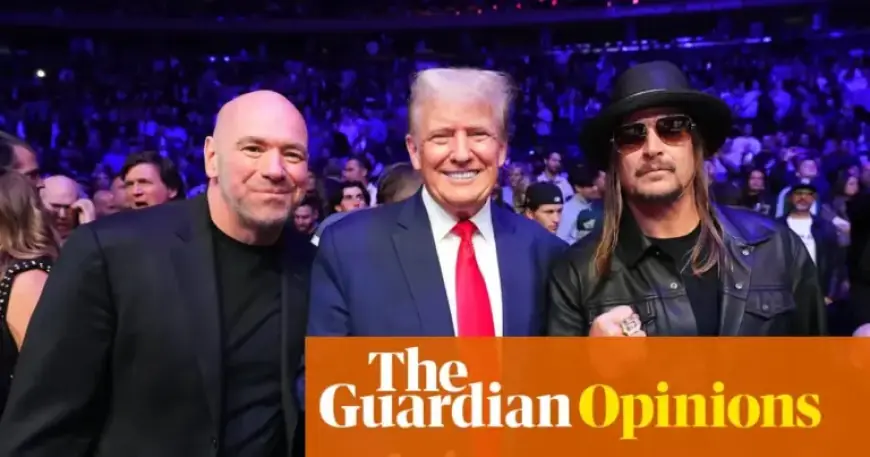
Recently announced, the UFC White House event has garnered significant attention, especially with its ties to President Donald Trump. On June 14, 2025, the event will commemorate both the 250th anniversary of the United States and Trump’s 80th birthday. However, early hype around the fight card raised questions regarding its true value.
Expectations vs. Reality
Trump had promised an extravagant fight card featuring “eight or nine” championship matches. UFC CEO Dana White also described it as an unprecedented spectacle, claiming it would host “the greatest fight card ever assembled.” Yet, when the fight card was unveiled, it revealed only two title fights.
Fight Card Breakdown
- Lightweight Championship: Ilia Topuria vs. Justin Gaethje
- Interim Heavyweight Championship: Alex Pereira vs. Ciryl Gane
- Additional Fights:
- Michael Chandler vs. Mauricio Ruffy
- Bo Nickal vs. Kyle Daukaus
Many fans expressed disappointment, noting the absence of prominent fighters like Conor McGregor and Jon Jones. Even former UFC champion Ronda Rousey criticized the lineup, suggesting, “UFC’s White House card sucks.” Tom Lawlor, a former UFC fighter, humorously questioned the event’s hype by tweeting, “LOL THAT’S IT?”
Changing Landscape of UFC Events
The UFC’s approach to event production has evolved dramatically. Since being acquired by Endeavor in 2016, the organization has shifted focus from traditional sports to a scalable media enterprise. UFC’s event calendar has exploded from just 10 events in 2005 to an expected 43 shows in 2026.
Financial Considerations
Hosting the White House card is expected to cost over $60 million, with sponsorships projected to cover only half that amount. To mitigate expenses, the UFC chose not to include higher-paid stars like Jones, who felt he was “lowballed” during negotiations. Dana White contended that many fighters expressed interest in participating, suggesting a wealth of possibilities beyond the marquee names.
The Bigger Picture
The UFC White House event is intended to be more than just another fight night. It is portrayed as a symbolic display, intertwining the sport with Trump’s political narrative. White maintains a strong affiliation with Trump, assisting in campaigning efforts over multiple elections. This connection underlines a deeper relationship between the UFC and Trump’s administration.
While the event aims to celebrate America’s legacy, it raises the question of whether the fights themselves merit the anticipated fanfare. As spectators await the event, it remains a focal point of the ongoing discourse about the intersection of sports, politics, and entertainment.