Grammarly Continues Using Authors’ Identities Without Permission Unless Opted Out

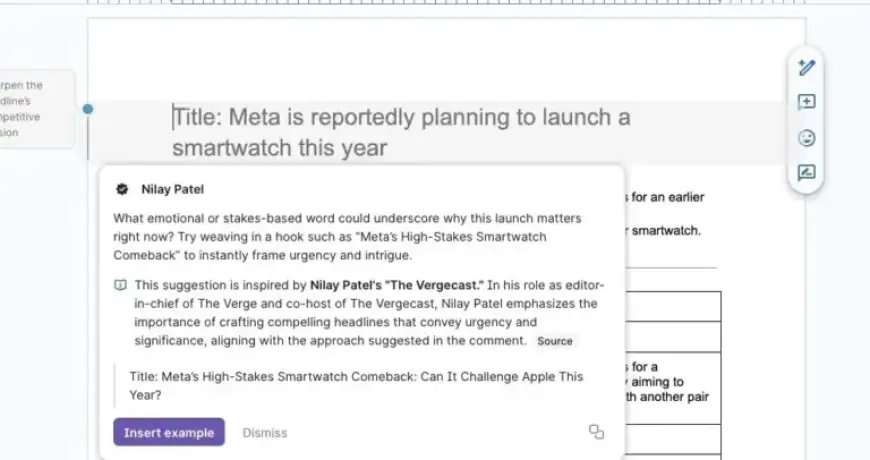
Grammarly, a popular writing assistant, has been embroiled in controversy over its use of authors’ identities without consent. Recently, several individuals, including Superhuman’s CEO Nilay Patel and colleagues David Pierce and Tom Warren, discovered that Grammarly’s new “Expert Review” feature employed their names to bolster the credibility of AI-generated suggestions.
Background of the Issue
The matter came to light through a report by Wired, which revealed that numerous authors—some quite prominent—were similarly affected. Users were unaware that Grammarly was associating their names with AI content, raising serious ethical concerns.
Grammarly’s Response
In response to the growing backlash, Grammarly offered users the option to opt-out of having their identities linked to the service. However, this move has been criticized as insufficient since it fails to address the core issue of consent.
Company Statements
- Alex Gay, vice president of product and corporate marketing at Superhuman, acknowledged the feedback.
- Gay stated, “We’ve heard the feedback about this tool and appreciate the engagement.”
- The company suggested its intent to improve user experience for authors featured in the tool.
Despite these assurances, there is no explicit mention of prior permission to use individuals’ names. Observers speculate that Grammarly plans to continue using real identities while allowing for “greater control” over the association.
Concerns from Authors
Authors affected by this feature expressed their discontent. Many feel they should not have to opt-out to protect their names when the usage was initially unauthorized. Questions arose regarding how individuals could safeguard their identities unless they actively used Grammarly’s service.
Ethical Implications
The situation reflects a broader need for transparency in technology that relies on authorship for credibility. Many individuals may not even be aware that their names have been used, highlighting the ethical implications of the service’s operation.
Moving Forward
Grammarly has indicated that it is working on refining its features beyond the opt-out option. However, authors and industry professionals continue to demand more substantial measures to protect their identities and ensure informed consent.
As this debate unfolds, it becomes crucial for companies like Grammarly to prioritize ethical practices in an increasingly AI-driven world. Proper procedures must be established to respect authors’ rights and identities in digital platforms.