Hawaii’s Kilauea Erupts, Closing Parks and Highways

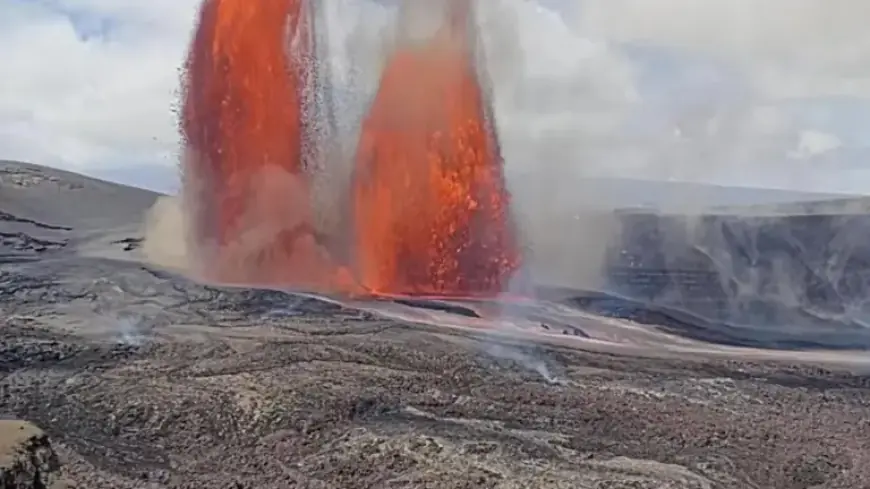
Hawaii’s Kilauea volcano recently erupted, sending lava fountains up to 1,000 feet into the air. This spectacular display led to temporary closures of key locations on the Big Island, including a national park and significant portions of a highway. Falling volcanic fragments and ash triggered these disruptions.
Kilauea’s Latest Eruption Details
The latest fountaining episode began on a Tuesday morning and marked the 43rd eruption since December 2024. Over the past year, Kilauea has captivated both residents and visitors with its periodic lava flows. A live stream captured two striking lava fountains, further emphasizing the power of this natural phenomenon.
Impact on Local Infrastructure
Although the molten lava remains contained within Kilauea’s summit crater in Hawaii Volcanoes National Park, the volcanic activity has caused significant challenges for nearby communities. Falling tephra, composed of ash and glassy fragments, has necessitated the temporary closure of:
- Hawaii Volcanoes National Park
- A portion of Highway 11, a critical route on the island
To assist those affected by the road closure or falling tephra, Hawaii County officials provided a shelter at a district gymnasium. However, no residents or tourists utilized the shelter shortly after it opened.
Health and Safety Precautions
The National Weather Service has issued an ashfall warning, as volcanic tephra can cause various health issues. It may irritate the eyes, skin, and respiratory system. Additionally, tephra can clog water collection systems common in specific areas of the Big Island, posing a risk to local water supply.
Previous eruptions have also resulted in significant ash accumulation, creating the need for civil defense support for cleanup efforts in affected communities. Kilauea continues to stand as one of the world’s most active volcanoes, reminding everyone of nature’s formidable power.