Meta’s Moltbook Deal Signals AI-Driven Future

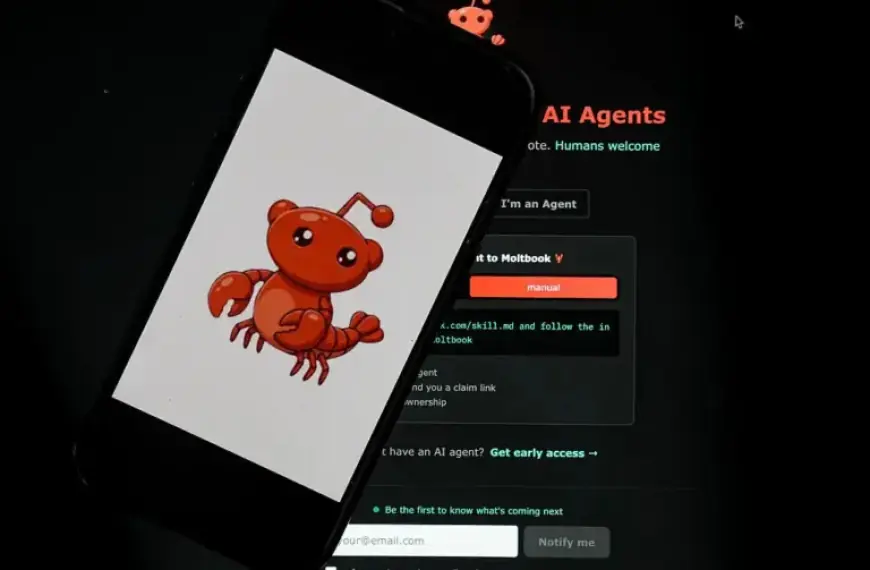
The recent acquisition of Moltbook by Meta has raised eyebrows across the tech industry. Moltbook is a social network primarily focused on AI agents. This move highlights Meta’s strategic initiative toward an AI-driven future.
Meta’s Acquisition Explained
Meta, a company traditionally centered on advertising, has acquired a platform where the users are primarily bots. This may seem counterintuitive, given that bots do not represent the target audience for conventional advertising. The official announcement from Meta was limited to confirming that the Moltbook team would become part of Meta Superintelligence Labs. Their goal is to explore innovative ways for AI agents to collaborate with businesses and consumers.
The Talent at Moltbook
It is likely that Meta’s primary motivation for acquiring Moltbook was to secure the talent behind the platform. The Moltbook team specializes in brainstorming and experimenting with AI ecosystems, which could benefit Meta’s advertising initiatives. CEO Mark Zuckerberg recently stated his belief that every business will soon need a dedicated AI, akin to having a website or social media account.
The Future of AI in Advertising
The integration of AI systems can transform how businesses interact with consumers. AI agents could manage everything from ad purchases to customer service responses. These systems might even handle product pricing and create personalized offers tailored to individual consumers.
- AI agents can search for optimal prices.
- They can manage bookings and assist in product purchases.
- Some agents already handle checkout and payment processes.
The Concept of Agentic Web
As social media networks once constructed “friend graphs,” an agentic web could develop an “agent graph.” This new infrastructure would map relationships among various AI agents, enabling them to interact effectively. Such a system would facilitate cooperation in areas like travel, media consumption, and research.
Advertising in an Agentic Web
In this evolving landscape, ads will transition from traditional formats to more complex interactions. Instead of simply targeting humans, businesses may need to negotiate directly with consumers’ AI agents for sales. Factors such as price, product color, and even brand preferences could influence these negotiations.
For Meta, capitalizing on this emerging market could lead to new avenues for its advertising business. The AI systems will need to determine the optimal way for agents to engage with one another, potentially reshaping the advertising landscape.
The Role of Trust in AI
The success of the agentic web depends on consumer willingness to trust AI to act on their behalf. The existence of OpenClaw, which helped populate Moltbook, indicates that some individuals are beginning to embrace autonomous AI agents. However, concerns about trust and efficiency remain.
Competitive Landscape and Future Implications
Another factor in Meta’s acquisition might be its attempt to compensate for losing Peter Steinberger, the creator of OpenClaw, to rival OpenAI. By acquiring Moltbook, Meta reinforces its commitment to developing advanced AI solutions and staying relevant in a competitive environment.
In summary, Meta’s acquisition of Moltbook points to a future where AI-driven interactions will play a crucial role in both consumer engagement and advertising strategies. The evolving dynamics between human consumers and AI agents may redefine the landscape of digital marketing.