32 Nations Unite for Largest Emergency Oil Release to Tackle Price Surge

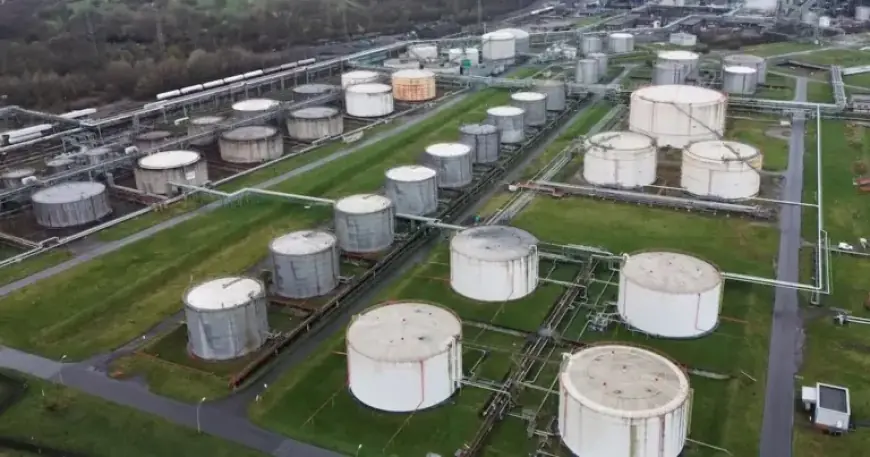
In a historic response to rising oil prices, 32 nations have united to release the largest volume of emergency oil reserves ever recorded. This unprecedented measure, spearheaded by the International Energy Agency (IEA), aims to stabilize energy markets impacted by ongoing conflicts in the Middle East.
Largest Emergency Oil Release in History
The IEA announced its plan on Wednesday, revealing that it will provide 400 million barrels of oil from its members’ emergency reserves. This release surpasses the 182.7 million barrels distributed in 2022 following Russia’s invasion of Ukraine.
IEA Executive Director Fatih Birol emphasized the critical nature of the situation, stating, “Without sufficient routes to market, Middle East oil producers have started to reduce production.” Recent disruptions to refinery operations further threaten jet fuel and diesel supply chains.
Current Oil Stock Situations
- IEA member countries hold over 1.2 billion barrels in public emergency oil stocks.
- An additional 600 million barrels are maintained under government obligations by the industry.
Recent military actions have exacerbated the issue, with Iran conducting attacks on commercial shipping in the Persian Gulf. These threats have effectively halted cargo traffic through the critical Strait of Hormuz, a vital passage for global oil trade.
Global Response and Actions Taken
Countries such as Germany, Austria, and Japan have agreed to contribute to the emergency release. The IEA urged member nations to mobilize resources to stabilize oil prices amid escalating tensions.
- Germany has pledged to release 2.64 million tons of oil.
- Austria has indicated it will also release part of its emergency reserves, although specifics remain unclear.
The G7 recently convened at the IEA headquarters in Paris to discuss strategies for mitigating rising energy costs. Birol highlighted that daily oil flows through the Strait of Hormuz stand at 15 million barrels for crude oil and an additional five million barrels for other oil products, which equates to approximately 25% of global seaborne oil trade.
Future Energy Considerations
In addition to oil, Birol noted challenges in the natural gas markets, particularly in Asia, which is facing significant supply reductions. With global energy supply down by roughly 20%, these measures represent a concerted effort to alleviate immediate market pressures.
The IEA’s emergency stock release has historical precedence, having been enacted during notable crises such as the Gulf War and Hurricane Katrina. This joint effort by 32 nations marks a decisive moment in the ongoing response to geopolitical tensions affecting global energy stability.