Studio Display vs. Studio Display XDR: Comprehensive Buyer’s Guide

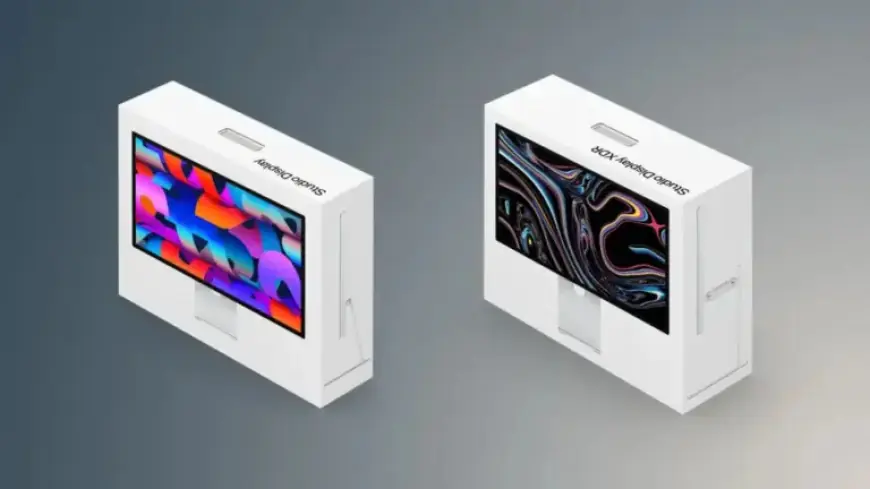
Apple has recently launched its updated Studio Display alongside the new Studio Display XDR, a replacement for the Pro Display XDR. While the Studio Display XDR has a price tag over twice that of the standard Studio Display, both products share many core features, catering to different user needs.
Comparative Overview of Studio Display and Studio Display XDR
Both models boast similar aluminum enclosures and a 27-inch 5K resolution, featuring a pixel density of 218 ppi. They are designed to deliver an enriching experience for a variety of day-to-day activities. Core features include:
- 27-inch display size
- 5120 x 2880 resolution
- P3 wide color gamut
- True Tone technology
- Anti-reflective coating
- Nano-texture glass option
- 12MP Center Stage camera with Desk View
- Studio-quality three-microphone array
- Six-speaker Spatial Audio system
- One upstream Thunderbolt 5 port
- One downstream Thunderbolt 5 port
- Two USB-C ports
- VESA mount adapter option
Key Differences between the Two Models
Despite their similarities, the Studio Display XDR incorporates several advanced features that justify its higher price. Below are the significant differences that set these displays apart:
| Feature | Studio Display | Studio Display XDR |
|---|---|---|
| Display Technology | LCD panel | Mini-LED panel |
| Refresh Rate | 60Hz | 120Hz with Adaptive Sync |
| Brightness | 600 nits | 1,000 nits (SDR), 2,000 nits (HDR) |
| Dimming Zones | None | 2,304 local dimming zones |
| Color Support | P3 wide color gamut | Adobe RGB wide color gamut |
| Stand Options | Tilt-adjustable stand included | Tilt and height-adjustable stand included |
| Price | $1,599 | $3,299 |
Who Should Choose Each Display?
The Studio Display is ideal for most users, offering superior value for common tasks like office work, software development, and creative projects. Its features, including a 5K Retina display and built-in audio components, make it suitable for photographers and video editors focusing on standard dynamic range (SDR).
In contrast, the Studio Display XDR targets high-end professionals who require advanced technology for specialized workflows. This model excels in HDR video editing, color grading, and other tasks demanding precise color reproduction and brightness.
Conclusion
In summary, while both displays present a similar user experience, the notable differences in display technology and performance justify the Studio Display XDR’s premium price. Unless specialized features are necessary, the standard Studio Display remains the more practical and economically sensible choice for everyday users.