UK households urged to check first aid kits after Wet Wipes contamination

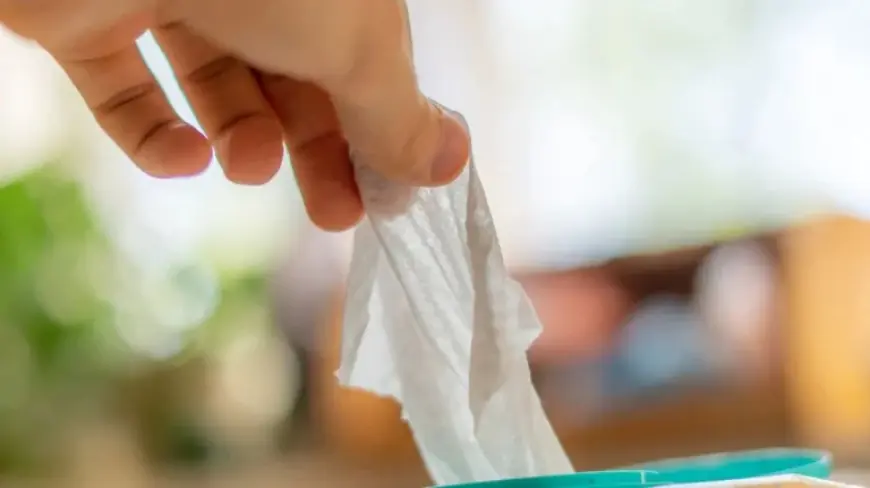
A rummage through a first aid kit might now feel urgent after the UK Health Security Agency issued a warning about non-sterile wet wipes linked to severe infections. The UKHSA said testing found four types of alcohol-free skin cleansing wipes contaminated with the bacteria Burkholderia stabilis, and it urged people to stop using any affected products immediately.
Household risk and the UKHSA warning on Wet Wipes
The UKHSA and the Medicines and Healthcare products Regulatory Agency moved to withdraw the affected products after tests identified contamination, the agencies said in February. Between June 2018 and February 2026, investigators identified 59 confirmed Burkholderia stabilis infections in the United Kingdom; five of those confirmed cases died, and there was one probable death linked to infection.
Officials have stressed that the contaminated wipes were non-sterile and alcohol-free and were not marketed as general-use wet wipes or baby wipes. The agencies advised that these types of non-sterile wipes should not be used for first aid, should never be applied to broken or damaged skin, and must not be used to clean intravenous lines.
Burkholderia stabilis described in the Eurosurveillance study
Eurosurveillance published a study setting out the pattern of infections tied to the outbreak, and public health experts highlighted how Burkholderia stabilis behaves. The bacteria is found in the environment, including soil and water, and can cause infection if it infiltrates the body through broken skin or medical devices such as intravenous lines.
Symptoms recorded in connection with Burkholderia stabilis infections include redness, swelling, increased pain, warmth around a wound, and pus or other drainage. In the most serious instances, infection has progressed to sepsis, a life-threatening reaction. People with weakened immune systems—those undergoing chemotherapy, organ transplant recipients, and people with cystic fibrosis—were identified as being at higher risk of complications.
MHRA action, product origins and testing of almost 200 products
The MHRA issued notices to sellers and the contaminated products were withdrawn from sale in July last year, the regulators said. Investigations tested almost 200 products before finding Burkholderia stabilis in four brands of skin cleansing wipes intended for first aid use.
Three of the four contaminated brands originated from the same UK manufacturing site, public health investigators reported. Named products in the public health discussion include Steroplast Sterowipe Alcohol Free Cleansing Wipes and Reliwipe Alcohol Free Cleansing Wipes, with testing revealing that one Reliwipe sample contained a Burkholderia strain not related to the main outbreak.
The UKHSA advised that any remaining items from the implicated batches that are found in first aid kits or cupboards should be disposed of in standard household waste and not used on wounds or to clean medical devices.
Dr James Elston, a consultant in epidemiology and public health at the UKHSA, reiterated that non-sterile alcohol-free wipes of any brand should not be used for the treatment of injuries or to clean intravenous lines, and he noted the agencies were continuing to see a small number of cases in vulnerable patients.
Back in the cupboard where the article began, the instruction is simple and concrete: check any first aid kit or medicine cabinet for non-sterile alcohol-free wet wipes and dispose of them if they match the withdrawn products. The UKHSA describes the outbreak as ongoing, and the confirmed public-health milestones include the 59 confirmed cases identified between June 2018 and February 2026 and the withdrawal of the affected products after July last year.