Hms Seahorse Horse vs Hansard: What their deaths reveal about Cheltenham safety

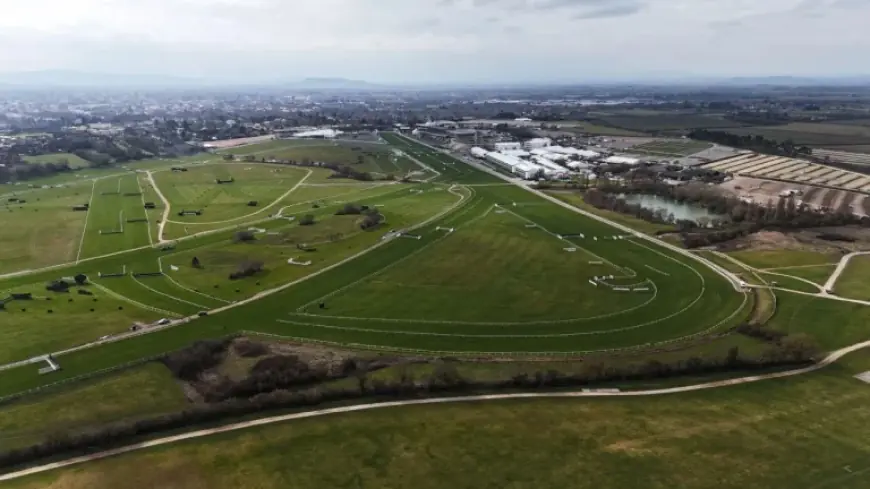
Hms Seahorse Horse and Hansard are the two recent equine fatalities at the Cheltenham Festival referenced in coverage of the meeting. This comparison asks: what do the circumstances, official responses, and public reactions around each death together reveal about safety and transparency at Cheltenham Racecourse?
Hansard at Cheltenham Racecourse: fall in the Singer Arkle and euthanasia
Hansard was an eight-year-old gelding who fell while running on the flat in the Singer Arkle Challenge Trophy Novices’ Chase, the second race of the day. He was quickly dismounted and immediately attended to by a team of expert veterinary professionals; their assessment concluded the best course for his welfare was humane euthanasia. Gary and Josh Moore are named as trainers connected to Hansard in the available accounts. That same race produced a winner, Kargese, who headed the finish in the Singer Arkle Challenge Trophy Novices’ Chase.
Hms Seahorse Horse: second casualty at the 2026 Cheltenham Festival and limited public detail
Hms Seahorse Horse is cited as a second horse fatality at the Cheltenham Festival in 2026 and is described in headlines as having “could not be saved. ” Beyond that phrasing, public detail in the material provided is limited: the available summary gives the name and the outcome but does not specify the race, age, or immediate medical steps taken. The contrast in available detail is notable when compared with the report on Hansard.
Hansard vs Hms Seahorse Horse: shared patterns, divergences, and public reaction
On shared criteria, both Hansard and hms seahorse horse are recorded as equine fatalities at the same festival, and both outcomes prompted statements framing euthanasia or that the animal “could not be saved. ” The League Against Cruel Sports places those outcomes in a wider tally, saying the festival’s death toll has reached 79 horses since 2000; Emma Slawinski of that organisation called the figures “staggering” and urged a public boycott of the meeting.
Yet applying the same evaluative standards to each case surfaces clear differences. Hansard’s incident includes race identification (Singer Arkle Challenge Trophy Novices’ Chase), the immediate veterinary response, and the trainers’ names, providing a richer factual record. By contrast, hms seahorse horse is presented primarily as a named casualty with the outcome noted but without the same level of race- or medical-detail in the available accounts. That imbalance affects public understanding and the ability to evaluate whether safety measures were applied or sufficient.
Public reaction aligns across both cases: the animal rights organisation called for a boycott, urging people to stay away and refrain from betting or viewing coverage, and linking the fatalities to a longer-term pattern at the festival. The tally of 79 deaths since 2000 is the concrete data point used to justify that call and to demand tighter safety measures and a ban on whip use.
Analysis: Factually, both deaths reinforce a recurring pattern of fatal injuries at the Cheltenham Festival. Evaluatively, the comparison shows that greater public detail in Hansard’s case allows closer scrutiny of immediate care and race circumstances, while the sparser public record around hms seahorse horse leaves gaps that fuel broader calls for policy change rather than targeted procedural fixes.
Finding: The direct comparison establishes that these two fatalities together strengthen the argument that the festival faces systemic safety concerns, but they also reveal uneven public documentation of each incident. The next confirmed event that will test this finding is the remaining races at this Cheltenham Festival; if the meeting records further horse deaths, the comparison suggests the boycott call and demands for regulatory action will intensify.