Nancy Guthrie Update Today: Search Enters Sixth Week as Investigators Reassess Leads in Arizona Case

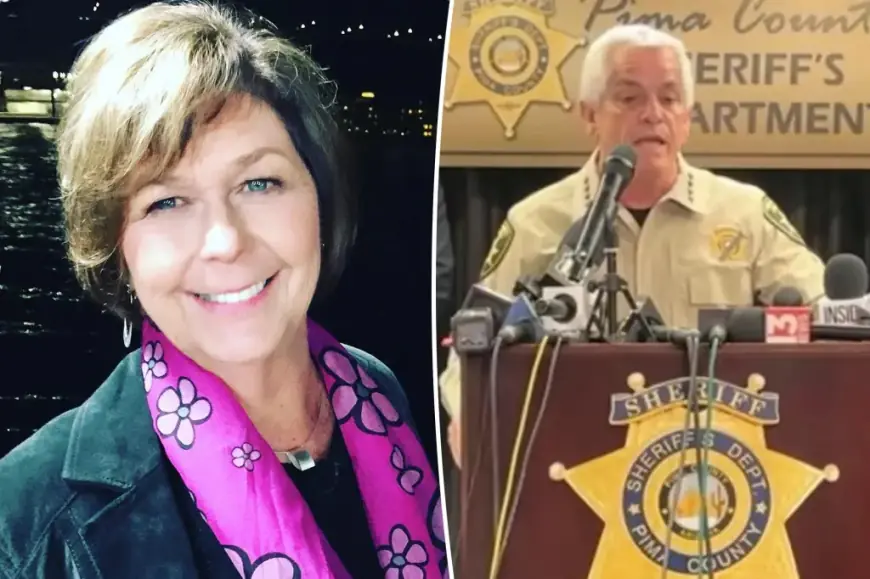
The search for Nancy Guthrie entered its sixth week on Wednesday, with investigators in Arizona still trying to determine what happened after the 84-year-old disappeared from her Tucson home in late January. The case remains active, but the latest developments point less to a breakthrough than to a difficult new phase: authorities are reviewing prior evidence, narrowing resources in some areas, and continuing to examine whether technical disruptions near the home could be tied to her disappearance.
That has left family members, neighbors and the wider public watching for signs of progress in a case that has drawn national attention because of both the disturbing evidence at the scene and the absence of a confirmed answer about where Guthrie is.
The Investigation Is Still Active, but No Public Resolution Has Emerged
Nancy Guthrie was last seen after returning home on January 31, and investigators have long treated the case as suspicious. Publicly released details have included signs of a struggle at the home, blood near the front entrance and questions about whether the home’s digital environment may have been disrupted around the time she vanished.
As of Wednesday, there has been no announced arrest and no public confirmation that Guthrie has been found. That basic reality is shaping the latest stage of the case. Investigators appear to be balancing continued ground-level inquiry with a more selective approach to public search activity, a sign that the case may now depend as much on evidence review and targeted follow-up as on broad canvassing.
For a disappearance that initially produced intense search efforts, that shift is significant. It often suggests authorities are trying to test specific theories rather than simply expand the search footprint.
Technical Clues and Scene Evidence Remain Central
One of the most closely watched aspects of the case is the possibility that communications or internet service near the home may have been interrupted around the time Guthrie disappeared. That detail matters because it could point to planning rather than spontaneity, especially if investigators conclude that surveillance or connectivity was deliberately affected.
At the same time, the blood evidence at the home continues to shape outside analysis of the case. Former investigators commenting publicly have argued that the pattern could suggest Guthrie was injured and removed from the property rather than leaving under her own power. That interpretation has not been formally adopted in any public charging document, but it helps explain why the case has increasingly been discussed as a likely abduction rather than a simple missing-person event.
Those two strands — scene evidence and possible technical interference — remain among the most consequential known details because they suggest method, timing and intent may all matter as much as witness sightings.
Search Tactics Are Evolving as the Case Stretches On
The latest update is not just about what investigators are looking at, but how they are looking. Public reporting on Wednesday indicated that some search tools, including cadaver dogs, had been paused for now. There have also been indications that manpower devoted to the case has changed over time, even as federal involvement continues.
That does not necessarily mean investigators are stepping back from the case. In long-running disappearances, search strategy often evolves as early leads dry up and evidence has to be reexamined more closely. Broad search sweeps can give way to narrower checks, renewed interviews, digital analysis and a more selective review of local anomalies.
Still, the optics are difficult. When a high-profile search moves from visible activity to quieter investigative work, families and observers can interpret the shift as a loss of momentum even if authorities believe they are refining the case.
Public Speculation Is Growing Faster Than Confirmed Facts
As the case has dragged on, public interest has intensified, and so has speculation. Some outside commentators have suggested investigators may be close to an arrest, citing the decision not to expand volunteer search involvement or the apparent narrowing of field operations.
But none of that amounts to official confirmation. At this stage, the strongest verified update is more restrained: the case is unsolved, the investigation remains open, and authorities are still working through multiple threads of evidence without announcing a decisive break.
That distinction matters because high-profile disappearances often generate a second story built around rumor, interpretation and online certainty. In Nancy Guthrie’s case, the emotional weight of the disappearance has made that even more pronounced. Yet the confirmed picture is still one of uncertainty, not conclusion.
What Comes Next in the Nancy Guthrie Case
The next meaningful update is likely to come from one of three places: a major evidentiary development, a credible suspect identification, or a discovery that changes the direction of the investigation entirely. Until then, the case appears stuck in the difficult middle ground between active inquiry and public frustration.
For now, Nancy Guthrie’s disappearance remains one of the most unsettling unresolved cases in the country. The evidence known so far suggests this was not a routine disappearance, but the absence of a public breakthrough means the central question remains unchanged.
Where the case goes next will depend on whether investigators can turn the fragments already in hand — blood evidence, possible digital interference, neighborhood leads and the timeline around her final known movements — into a clearer account of what happened that night.