IEA Proposes Record Oil Release from Strategic Reserves

The International Energy Agency (IEA) has made a significant proposal to release 400 million barrels of oil from strategic reserves. This move marks the largest coordinated oil release in IEA history and aims to mitigate soaring crude prices amid escalating tensions involving the U.S. and Israel with Iran.
Details of the IEA Proposal
The planned release will be implemented over a minimum of two months, with participating countries given up to 90 days to allocate their share. Germany’s Economy Minister, Katherina Reiche, confirmed the 400 million barrels figure and noted Germany’s participation in this initiative. The United States and Japan are expected to be the primary contributors to the release.
Market Reactions and Challenges
On Wednesday, oil prices saw a rebound, reflecting skepticism about whether the IEA’s proposal could effectively counter anticipated supply disruptions linked to the ongoing conflict. Current estimates suggest that disruptions in the Strait of Hormuz, which has been blocked, are around 20 million barrels per day.
- IEA release amount: 400 million barrels
- Release duration: Minimum of two months
- Japan’s contribution: 15 days of private-sector reserves, one month of state reserves
- Previous IEA release (2022): 182.7 million barrels
The IEA is set to publish its formal recommendation at 9 a.m. ET, prior to a G7 leaders’ meeting scheduled for 10 a.m. ET. French President Emmanuel Macron will chair the G7 discussions on this urgent matter.
Geopolitical Context
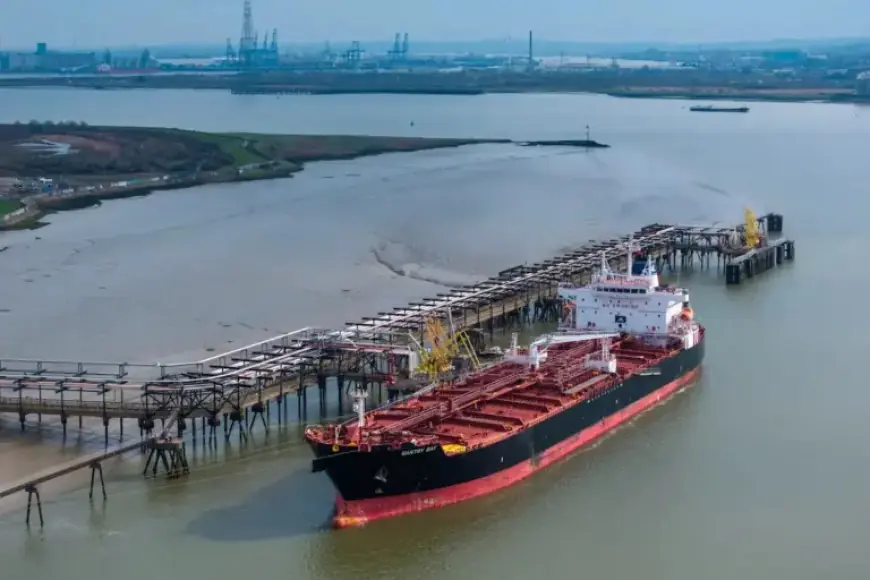
Leaks from maritime security suggest three more vessels have been struck by unknown projectiles in the Strait of Hormuz, raising the total incidents to at least 14 since the conflict began. This situation underscores the increased risks for maritime traffic in the region.
Notably, although no G7 country is currently experiencing a physical shortage of oil, rising prices remain a critical concern. Energy ministers have indicated their support for the coordinated release of strategic reserves as a proactive measure against further market instability.
The IEA’s secretariat is expected to propose scenarios assessing the potential market impact of the release. Discussions may also involve non-IEA members such as China and India. South Korea is actively reviewing its position in this collaborative effort.