Three Chinese Automakers to Enter Canadian Market This Year

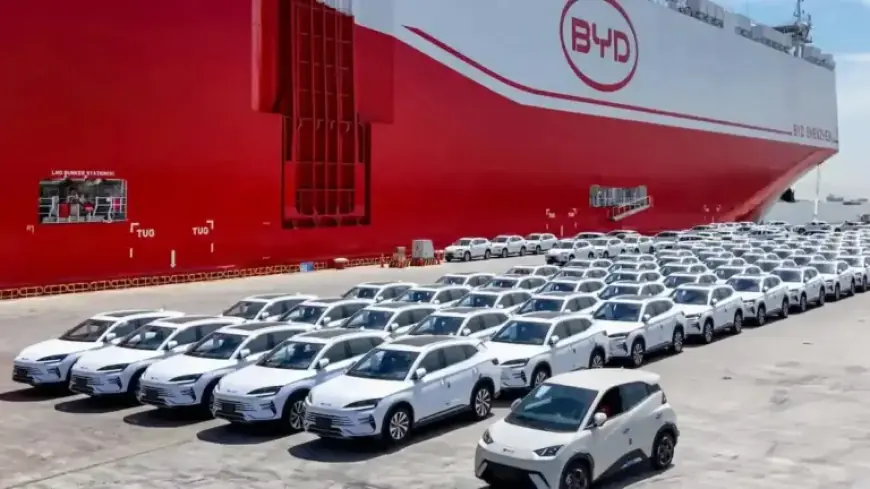
Three major Chinese automakers are preparing to enter the Canadian market for consumer vehicle sales by the end of this year. The brands—BYD Co., Chery Automobile Co., and Geely Holding—are working on compliance with Canadian regulations while developing retail networks in the country.
Timeline for Arrival of Electric Vehicles
According to Jason Zhao, director of Asian market development at DSMA, the first electric vehicles (EVs) are expected to arrive in Ottawa by year-end. Certification processes and partnership arrangements are critical steps currently being undertaken.
Automaker Insights
- BYD Co.: Registered its manufacturing plants with Canada’s Transport Appendix G, becoming the first Chinese automaker to do so for consumer vehicle sales.
- Chery Automobile Co.: Recruiters have been reaching out to industry professionals in Canada about positions related to the company’s Omoda and Jaecoo sub-brands.
- Geely Holding: Has plans to enter the Canadian market, having trademarked its premium electric brand Zeekr in Canada last year.
Trade Agreements and Quotas
The backdrop for this entry is a trade agreement finalized in January between Canada and China. Prime Minister Mark Carney announced that Canada would allow up to 49,000 Chinese-made EVs annually at a favorable tariff rate of 6.1%, significantly lower than the previous rate of 106.1% imposed in October 2024.
The quota is projected to rise to 70,000 units by the fifth year of the arrangement, with stipulations that a majority of vehicles sold must be priced below C$35,000 by 2030. In exchange, China has reduced tariffs on Canadian exports, including canola.
Permitting Process
Global Affairs Canada initiated its permitting process on March 1, offering the first 24,500 import permits on a first-come, first-served basis until August 31. However, BYD, Chery, and Geely are still completing homologation processes, which verify their vehicles meet Canadian safety and emissions standards.
Competitive Landscape
Currently, automakers like Tesla, Volvo, and Polestar, which have prior experience in importing vehicles from China, may have an advantage due to their existing certifications. Tesla has even removed the option to order the Model 3 from its Canadian site, hinting at potential imports under the new tariff rate.
Political Controversies
The entry of Chinese EVs into Canada has sparked criticism and concerns among Canadian politicians and labor organizations. Ontario Premier Doug Ford has expressed concerns about the potential security risks associated with Chinese vehicles, while the private-sector union Unifor has voiced worries over the impacts on local jobs.
Further scrutiny comes from international stakeholders, particularly the United States, raising fears that Canada could become a transit hub for Chinese goods entering the U.S. As part of ongoing consultations, Finance Minister François-Philippe Champagne is exploring ways to tighten the automotive import framework to safeguard local production.