Bringing ‘The Sopranos’ to Life: An Inside Look

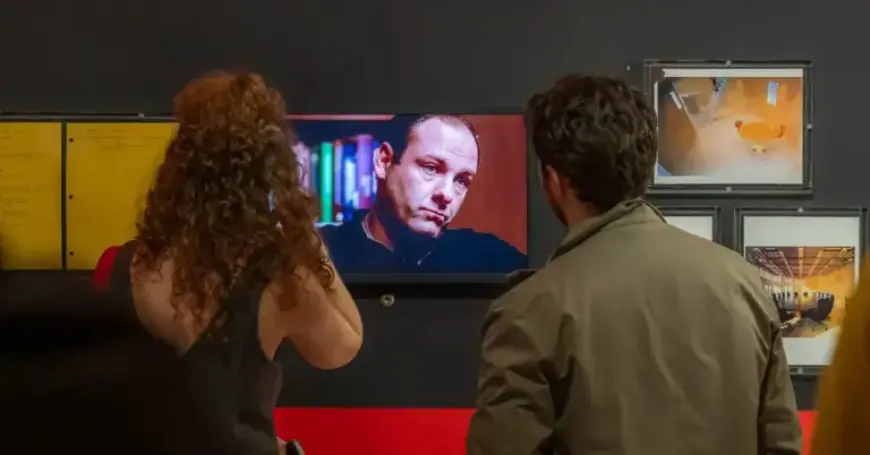
“The Sopranos,” a groundbreaking television series that debuted on HBO in 1999, continues to captivate audiences nearly 20 years after its finale. The show has amassed a devoted fanbase, including many from Generation Z who discovered it during the pandemic. Various fan sites, podcasts, and social media memes highlight its enduring popularity. Adding to this phenomenon, the Museum of the Moving Image in Queens hosts an exhibition titled “Stories and Set Designs for ‘The Sopranos’” that explores the creation of the series.
Exhibition Details
This exhibition will run through May 31 and showcases how the show’s narratives and locations evolved. The display features scripts, concept drawings, and research materials. The museum also recently presented screenings of selected episodes from Season 3, along with discussions featuring creator David Chase and cast members such as Edie Falco and Steven Van Zandt.
Curatorial Insights
Michael Koresky, the museum’s senior curator, conceived the exhibition while planning a film series about notable 2001 movies. A fervent admirer of “The Sopranos,” he believed the show deserved recognition. Koresky described the series as “extraordinary” for its cinematic qualities. Season 3, which debuted in 2001, is often deemed a turning point, elevating the show to “masterpiece territory.”
Exhibition Highlights
Barbara Miller, the museum’s deputy director for curatorial affairs, organized the exhibition. She curated items from the museum’s collection and Chase’s personal archives. Key highlights include:
- Set design sketches for iconic locations such as Bada Bing, Dr. Melfi’s office, and Satriale’s Pork Store.
- Insights into Tony Soprano’s character development, including changes to his name from Tommy to Tony due to legal concerns.
- Revelations about dramatic script changes, such as plans for Livia Soprano’s storyline.
Character Development
Originally, Tony Soprano, played by James Gandolfini, was slated to have a different name. Additionally, his mother’s character was significantly influenced by Chase’s own experiences with family dynamics. Chase has expressed that his mother once stated she’d prefer to see him dead than avoid the draft during a tumultuous period in American history.
Pivotal Episodes and Themes
Among the episodes screened, “University” examines the contrasting lives of Meadow Soprano and a Bada Bing dancer, while “A Second Opinion” delves into Carmela’s and Uncle Junior’s separate medical challenges. The episode “Amour Fou” tackles Tony’s turbulent affair with Gloria Trillo, blending his personal and familial conflicts. The performances in these episodes received critical acclaim, with Gandolfini winning an Emmy and Sciorra earning a nomination.
The Show’s Legacy
Attendees of the exhibition expressed their admiration for “The Sopranos.” Many fans emphasized its complex characters and gripping storytelling. The show not only navigates the world of organized crime but also offers profound insights into familial relationships and societal issues.
Chase reflects on the series’ lasting relevance, noting, “I’m glad I was wrong” about its potential to become outdated. The show has transcended its original airings to become a cultural touchstone, prompting conversations about morality and the human condition.
For more insights into this iconic series and its impact, visit Filmogaz.com.