Trump Amplifies Iran Conflict with Violent Social Media Memes

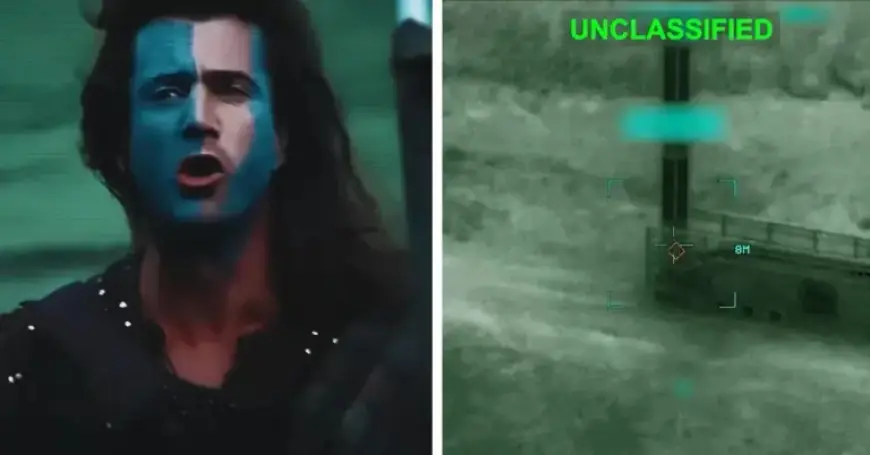
In a dramatic turn of events, the Trump administration greatly amplified the conflict with Iran on February 28. This escalation was marked by the release of several controversial social media videos showcasing a blend of war imagery and popular culture characters.
Unconventional Propaganda Strategies
Following the announcement of military actions, the White House produced a series of videos that juxtaposed violent war scenes with clips from iconic figures in movies, television, sports, and video games. This unconventional approach aimed to mockingly trivialize the severe consequences of war.
Memes and Mash-Ups
The videos feature characters such as Iron Man, Walter White from “Breaking Bad,” and SpongeBob SquarePants. They were shared across platforms like TikTok and X (formerly Twitter), where the representation of war shifted from grim reality to a humorous spectacle.
- One video featured SpongeBob saying, “You want to see me do it again?” over footage of explosions.
- Another showcased NFL tackles synced to AC/DC’s “Thunderstruck.”
- Other clips included scenes from popular video games like “Call of Duty” and “Grand Theft Auto.”
The standout piece among these is a 42-second mash-up that constructs a chaotic narrative linking cinema, gaming, and military might. Drawing from franchises like “Braveheart,” “Deadpool,” and “John Wick,” it ultimately culminated in a declaration reminiscent of the 1990s arcade game “Mortal Kombat.”
Attack on Seriousness
This novel method of propaganda largely eschews traditional narratives of morality and rational discourse. Instead, it embraces an entertaining yet daunting portrayal of military strength, tapping into a specific demographic culture that resonates with younger audiences—particularly young men.
Dichotomy of Heroes and Antiheroes
The characters featured convey a message about power and dominance rather than a moral compass. Heroic figures like Superman transition into darker characters like Walter White, illustrating a blurring of lines between heroism and villainy. This shift fosters a narrative where strength is revered over idealism.
- Christopher Reeve’s Superman fights for “truth, justice, and the American Way.”
- Walter White’s assertion, “I am the danger,” exemplifies a complex view of strength.
- Maximus from “Gladiator” and Kylo Ren from “Star Wars” feature equally, showcasing varied perceptions of power.
The overarching philosophy conveyed through these mash-ups champions force while neglecting any ethical considerations related to warfare. The core message remains: victory is paramount.
The Cultural Context of Warfare
This is not the first time military actions have been depicted through the lens of pop culture. The phenomenon of “Nintendo War” coined during the 1991 Desert Storm conflict highlighted similar issues. Yet, the current administration’s portrayal has stripped away past pretenses, merging war effectively with entertainment.
Despite pushback from individuals whose likenesses appeared in the videos—such as former NFL player Ed Reed and director Ben Stiller—the administration continues to embrace this format. The mixing of solemn military realities with entertaining content poses significant questions about how the public perceives warfare.
Conclusion
The Trump administration’s social media strategy in response to the conflict with Iran represents a fundamental shift in how military engagement is framed. It reveals a culture where entertainment, sports, and war converge, leading many to ponder the implications for society’s understanding of conflict.