Discover Hidden Gold: Unveiling the Treasure in This Overlooked Electronic Device

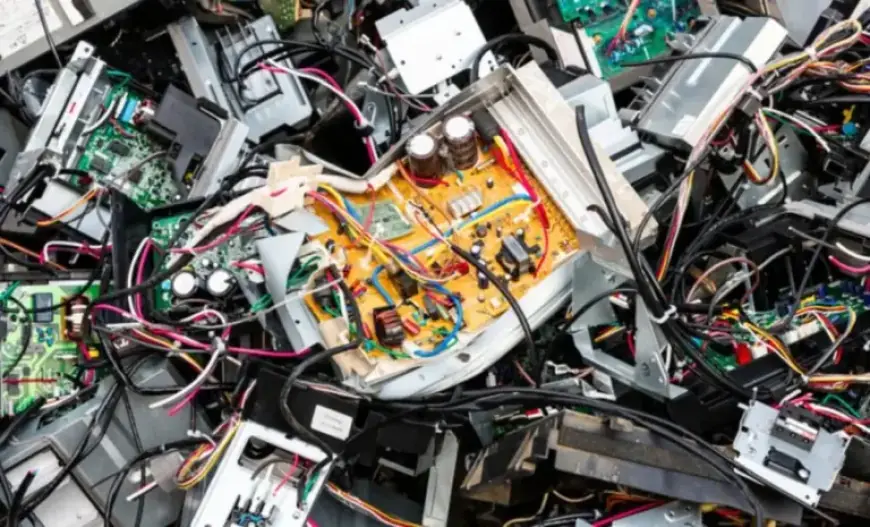
In an innovative approach to electronic waste recycling, researchers at ETH Zurich have discovered a method to extract precious metals from discarded computer motherboards using a byproduct of cheese production: whey. This breakthrough could revolutionize how valuable materials are recovered from electronic devices, while reducing environmental impact.
Hidden Treasure in Discarded Electronics
Every year, thousands of tons of electronic waste, including outdated laptops and servers, are processed worldwide. Most recycling facilities rely on energy-intensive methods that involve shredding and treating these devices with harsh chemicals to isolate metals. Traditional processes introduce toxic byproducts and can be harmful to the environment.
A Novel Approach Using Whey
Led by Professor Raffaele Mezzenga, the ETH Zurich team aimed to find a more sustainable method. They shifted their focus toward whey, a low-value liquid waste from cheese manufacturing. The research was based on the premise that whey proteins can be transformed into a filter capable of capturing precious metals.
- Whey is generated in high quantities in the dairy industry.
- Conventional methods for metal recovery require excessive energy and produce chemical residues.
By heating whey proteins under controlled conditions, the researchers created a gel-like sponge that interacts effectively with dissolved metal ions, allowing for selective extraction during the recycling process.
Process and Results
In their experiments, the team processed 20 discarded motherboards and successfully recovered a gold nugget weighing approximately 450 milligrams. This nugget was found to be 22-carat gold, with a purity of 91 percent, showcasing the effectiveness of their method in extracting high-quality metals.
Benefits of the Method
- Utilizes low-cost dairy waste.
- Generates high-purity metal with minimal environmental impact.
- Can be scaled using existing food-processing technology.
The retrieval of gold from the sponges requires heating, which allows metal particles to form nuggets while the protein sponge is destroyed. However, the low procurement cost of whey makes this process economically attractive, as it is significantly cheaper than gold recovery costs.
Future Potential
The successful extraction of gold opens the door for potential recovery of other valuable metals like platinum and palladium. Adjustments in the processing conditions could allow adaptation for different metal ions, significantly broadening the range of recyclable materials from electronic waste.
Researchers at ETH Zurich believe that integrating whey into electronic recycling creates a circular economy, linking the dairy and electronics industries. This approach not only recovers valuable metals but also contributes to sustainability efforts by minimizing waste in both sectors.
As the technology matures, it holds promise for widespread application in recycling facilities looking for more efficient and environmentally responsible methods of metal recovery.