Metro Panic-Buying Drains Regional Diesel Supplies, Hits WA Farms

A recent surge in panic-buying has drastically affected diesel supplies across Western Australia, particularly impacting farmers. Many farmers now face delays of up to three weeks to receive fuel needed for their operations. This situation could hinder the seeding and harvesting processes, jeopardizing crop yields.
Impact on Regional Farmers
Farmers from various regions, including potato growers in Manjimup and grain producers near York, are feeling the pinch. The panic-buying in metropolitan areas has led to a significant fuel shortage in the countryside.
Concerns from Local Farmers
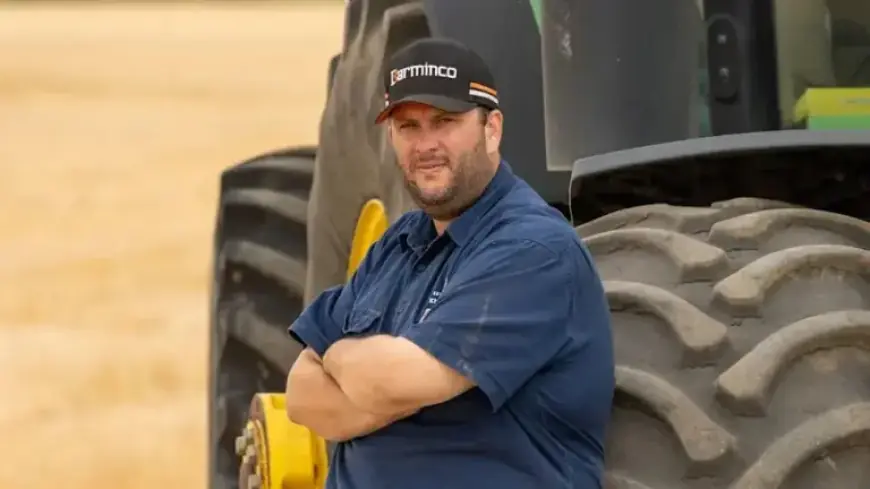
Nick Emin, a cropping farmer situated west of York, expressed worries about the diesel situation. His 900-hectare farm focuses on canola and barley. Currently, he is in the critical phase of paddock preparation, yet communication from his wholesaler indicates a three-week wait to replenish fuel supplies.
“Our wholesaler has imposed a cap of 4,000 litres per farm to manage the limited supply,” Emin shared. “That volume will only last four to five days.” This shortage complicates preparations just weeks before the seeding season.
Potato Farmers at Risk
Dom Dellavedova, a potato farmer, also reported dwindling supplies. With only 3,000 litres remaining in his 10,000-litre tank, he anticipates halting his harvesting activities within ten days. The lack of diesel impacts his irrigation systems and the transportation of goods to supermarkets.
The Broader Economic Effect
The diesel shortage has raised alarms about potential ripple effects throughout the agricultural sector. Dellavedova remarked, “If fuel deliveries continue to be delayed, there will be substantial repercussions for grain growers and the entire food supply chain.”
Addressing Misconceptions
Both Emin and Dellavedova clarified misconceptions surrounding panic-buying. They emphasized that farmers have limited storage capacity and that most panic-buying is occurring in metropolitan areas. Emin noted, “The agricultural industry has been overlooked to preserve stock for city consumers.”
Political Responses and Concerns
Amid rising concerns, WA Nationals MP Rick Wilson defended farmers during federal discussions, emphasizing their efforts to act prudently rather than in panic. With the last harvest producing 27.2 million tonnes of grain, he underscored the urgent need for consistent fuel supply for essential agricultural practices.
Government Reassurances
Energy Minister Amber-Jade Sanderson assured the public that fuel contracts are being fulfilled. However, she acknowledged that panic-buying contributes to the supply disruptions. On March 11, Premier Roger Cook announced plans to hold a fuel security roundtable to assess the situation with industry representatives.
The environmental circumstances and events unfolding in the Middle East could further complicate fuel security in the region. The upcoming roundtable aims to address these challenges and ensure a stable fuel supply for WA farmers and residents.