Iranian Soccer Player Revokes Asylum Request in Australia

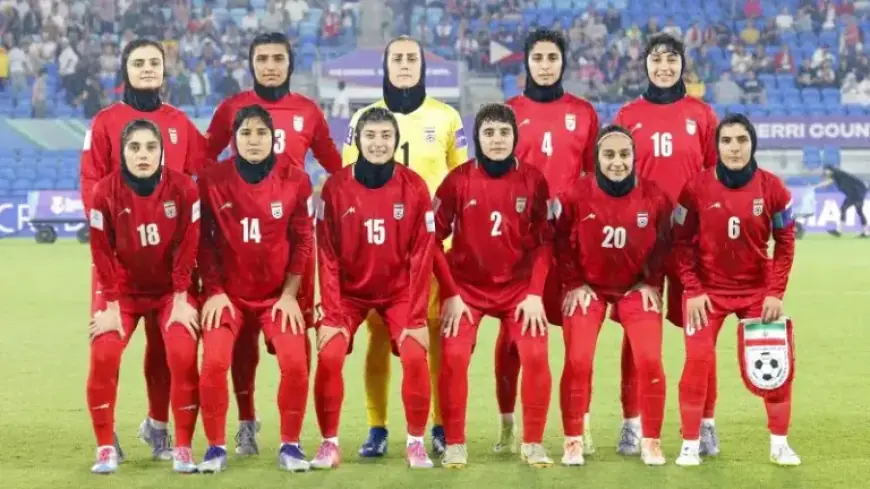
In a significant development, one member of the Iranian women’s soccer team in Australia has revoked her asylum request, prompting immediate action from Australian officials. The decision of this player has raised safety concerns for the remaining team members, who are now being relocated from their secret location in Brisbane due to fears of exposure to the Iranian government.
Overview of the Situation
Home Affairs Minister Tony Burke disclosed in Parliament that the player, who opted for a visa in a sudden change of mind, had consulted with teammates who had already left Australia. This decision led to her disclosing their hiding place to the Iranian embassy.
Security Measures and Relocation
- Seven women were initially granted refuge in Australia, including six players and a support team member.
- They were under Australian Federal Police protection to shield them from possible coercion by regime loyalists.
- Burke instructed the relocation of the remaining players to ensure their safety.
The players faced intense scrutiny after being labeled traitors by Iranian state media for their actions during the Asian Cup in Australia. The women had declined to sing the national anthem prior to their first match, a move that sparked considerable backlash.
Asylum Process amid Political Tensions
Australian officials had prepared for potential asylum claims, conducting thorough security checks before the tournament began. The geopolitical landscape has shifted dramatically due to recent military actions involving the US and Israel against Iran, amplifying tensions and complicating the athletes’ situation.
International Reactions
- The Iranian government reacted strongly to Australia’s asylum offerings, urging the players to return home.
- Iran’s foreign ministry assured the players that “Iran awaits you with open arms.”
As the tournament progressed, the Iranian players faced significant pressure. They lost all three group-stage matches, marking a challenging experience both on and off the field. Reports indicate that threats were made against the families of some players to compel them to sing the national anthem in subsequent games.
Continued Advocacy and Support
Members of the Iranian community in Australia actively supported the players during the matches. Efforts escalated to ensure that the women did not return to Iran after they were seen being escorted onto their team bus in distress.
Future Steps for the Remaining Players
Following the turbulent events, the Australian government confirmed that processing for permanent visas will begin soon for the six remaining players. Burke assured that they would not be forced to navigate legal battles for their status.
This unfolding story highlights the intricate intersection of sports, asylum, and international politics, with the Iranian women’s team at the forefront amid a volatile political backdrop.