Samsung Galaxy S26 and S26 Plus Reviewed: Repetition or Refresh?

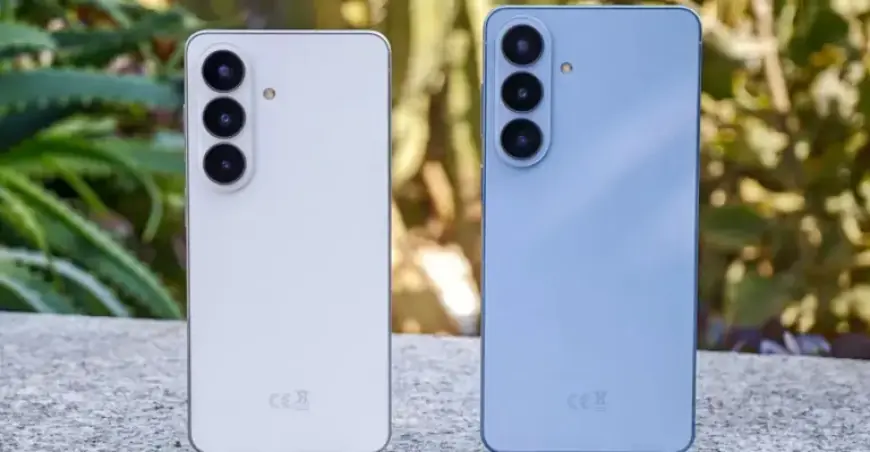
Samsung’s latest offerings, the Galaxy S26 and S26 Plus, maintain a tradition of subtle updates over significant redesigns. While many expect transformative changes in flagship devices, these models largely deliver incremental enhancements. Users may wonder if the S26 series represents a significant leap or merely a refined version of its predecessors.
Design and Display
The Galaxy S26 features a 6.3-inch display, marginally larger than the 6.2-inch screen of the previous model. Meanwhile, the S26 Plus boasts a 6.7-inch display. Despite offering a larger viewing area, both phones follow a familiar design language from past iterations.
- Common design features include straightened sides and a raised oval camera island.
- The weight of the S26 is 167g, with dimensions of 7.2mm, making it relatively compact for a flagship device.
Camera Specifications
Both the S26 and S26 Plus share identical camera setups:
- Main Camera: 50-megapixel f/1.8 with Optical Image Stabilization (OIS)
- Telephoto: 10-megapixel f/2.4 with 3x zoom and OIS
- Ultrawide: 12-megapixel f/2.2
- Selfie Camera: 12-megapixel f/2.2 with autofocus
Unfortunately, the camera technology remains consistent with previous generations, lacking any major upgrades. Users might experience similar performance in photography with Daytime shots appearing decent but with limitations in low-light conditions.
Performance Features
Both models are powered by Snapdragon 8 Elite Gen 5 in the US, whereas other regions utilize Samsung’s Exynos 2600 chipset. This duality in processing power may affect performance results globally, but the phones do promise satisfactory battery life.
- S26: 4,300mAh battery, a 300mAh increase from last year.
- S26 Plus: 4,900mAh battery.
Users can anticipate all-day battery endurance in typical usage scenarios, bolstered by features like 15W and 20W wireless charging for the S26 and S26 Plus, respectively.
Pricing and Variants
The pricing of the Galaxy S26 starts at $899 for the 256GB model, while the S26 Plus retails for $1,099. This represents an increase of $100 compared to the previous year’s models. Notably, this price hike is partly due to the removal of the base 128GB variant.
Software and AI Enhancements
Samsung incorporates several AI features to improve user experience. New functionalities include automatic call screening and Bixby’s advanced capabilities for improved device control. These enhancements, however, are not exclusive to the S26 series, indicating that many features could be accessible to older models.
Conclusion: Innovation or Stagnation?
The Galaxy S26 and S26 Plus exemplify an approach of refinement over reinvention. With prices higher and crucial features such as magnetic Qi2 charging absent, potential upgrades may not justify a switch for current S25 or S24 users. In a competitive market, Samsung faces challenges from rivals that are continually evolving.
In summary, Samsung’s Galaxy S26 series remains a solid choice for new customers but may leave existing users questioning whether this upgrade is truly compelling.