Nicole Kidman’s Scarpetta struggles to reconcile tech with forensic roots

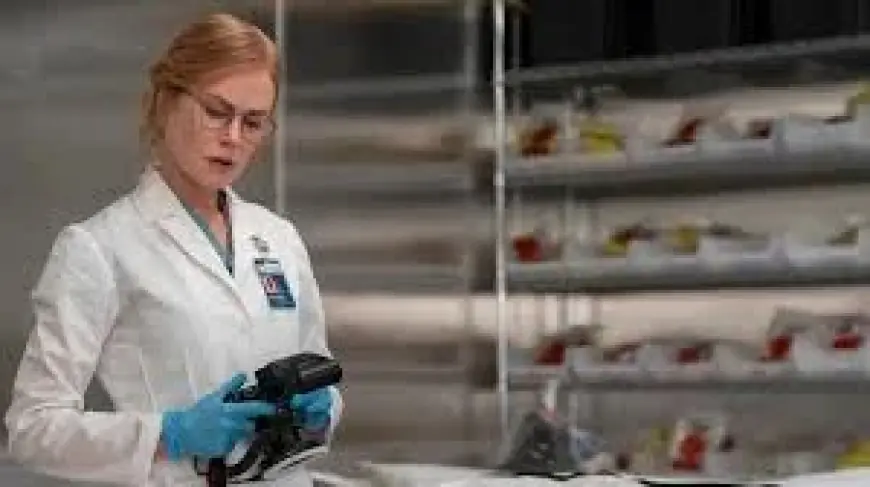
Nichole Kidman walks into a crime scene in a series built around a forensic pathologist, and the series, scarpetta, arrives weighed down by strange choices. Nicole Kidman plays Kay Scarpetta; Jamie Lee Curtis is beside her as an executive producer and co-star, and the adaptation has been criticized for jarring structural shifts that interrupt the murder investigations.
Nicole Kidman’s Scarpetta and the immediate human reality
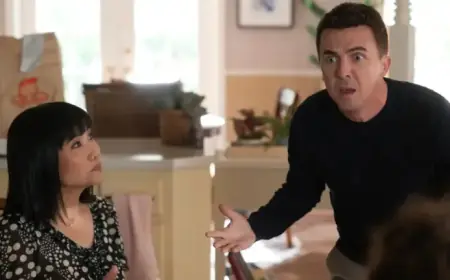
Nicole Kidman’s Scarpetta centers on Kay Scarpetta as a chief medical officer who is “a little icy, professional but prone to overstepping, ” haunted by past secrets. Rosy McEwen appears in flashbacks as a younger Scarpetta chasing a similar killer in the 1990s, and Bobby Cannavale plays the colleague and brother-in-law Pete Marino. The show presents victims in grisly scenes — a woman bound with rope and missing hands — and critics note that the dead women often function as bare plot devices rather than fully realized people.
Jamie Lee Curtis and the series’ structural and tonal choices
Jamie Lee Curtis, who also executive produced this adaptation of Patricia Cornwell’s novels, shares clear on-screen chemistry with Kidman, but their scenes are judged insufficient to rescue the drama. The series uses two timelines: the present, with Kidman, and flashbacks to the 1990s with McEwen. Yet critics describe the result as a sluggish procedural with sudden revelations and moments of gore that appear out of nowhere. A subplot involving a company that 3D prints organs and a storyline that culminates in the death of astronauts are singled out as examples of the show’s tonal unevenness.
Patricia Cornwell’s material, the AI chatbot Janet, and the adaptation choices
Patricia Cornwell’s novels are the source material, and the adaptation adds elements not present in the books. One notable addition is an AI chatbot named Janet, played as connected to Lucy, the niece of Scarpetta, with Lucy portrayed by Ariana DeBose and Janet Montgomery in the cast. The chatbot storyline, described as sub-Black Mirror, follows Lucy’s relationship with the digital Janet and draws Jamie Lee Curtis into scenes where she talks to a computer screen. Critics argue that this tech angle and other modern insertions strip the original work for parts and create a cynical tech spin that does not cohere with the central whodunnit premise.
One review called the series “a boilerplate mess, ” noting that an early idea — that Scarpetta and Marino may have jailed the wrong man when DNA was in its infancy — could have been the basis for a sharper mystery. Instead, the review says, the present-day investigations collapse into deus ex machina revelations and repetitive subplots. The history of attachments to the role is also highlighted: actresses such as Demi Moore and Angelina Jolie were linked to Scarpetta in earlier decades, and the author had sought other high-profile actors over the years, underscoring how long the project had been in the making before it finally reached screens.
Still, performances earn mention. Kidman and Curtis are said to have “terrific chemistry” and McEwen makes a concerted effort to shape a young Scarpetta, even as some critics find it hard to sense the protagonist beyond her professional life. Janet Montgomery and Ariana DeBose are part of the layered supporting cast that the adaptation tries to integrate with contemporary plot devices like AI and biofabrication.
Now that the adaptation of Scarpetta has finally come to screens, viewers encounter a series that pairs strong lead performances with storytelling choices that many find muddled. The next confirmed development is simply its presence on screens, where the show’s dual timelines, the AI chatbot Janet, and the altered relationship to Patricia Cornwell’s novels will continue to be debated by audiences and critics alike. The image that remains is of Nicole Kidman stepping out of a morgue’s fluorescent light and into a production that wanted to modernize a detective story but has left many elements unevenly connected.