Wnba labor talks run past midnight as CBA deadline expires

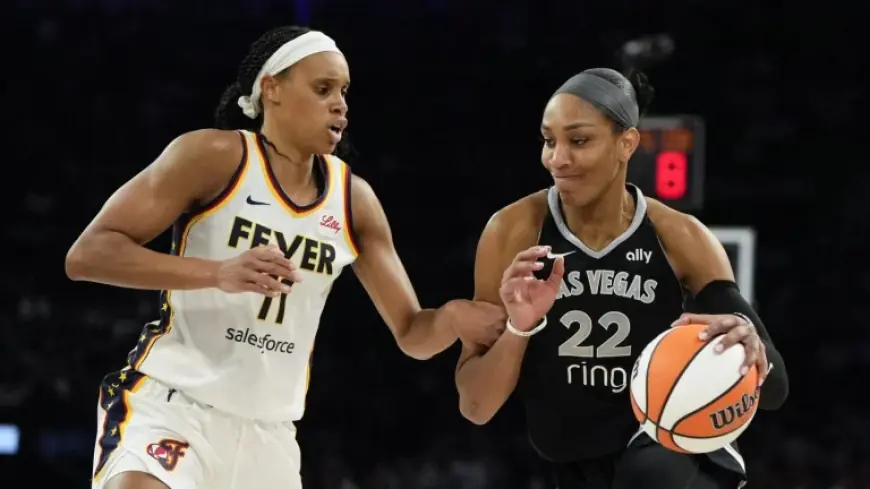
The wnba and the players’ union met for marathon labor negotiations at a midtown Manhattan hotel, with talks starting shortly after 5: 00 p. m. ET Tuesday and still going at 2: 00 a. m. ET Wednesday. The session came as the league’s March 10 deadline for completing a new collective bargaining agreement to keep the season on schedule passed without a deal. The timing underscores two parallel pressures: bridging a revenue-sharing gap with owners and keeping player unity intact as bargaining intensifies.
Wnba deadline meets marathon meeting
Negotiators gathered at The Langham in Manhattan in the early evening Tuesday and continued well past midnight into Wednesday, a tangible sign that both sides are engaged even as the league-imposed deadline expired. Few details emerged from the lengthy session, with reporters stationed outside the hotel and little information filtering out. Still, the hours alone suggest a willingness to stay at the table when the calendar turns from a stated deadline to the harder work of closing specific contractual language.
The league had said its deadline for starting the season on time was March 10—Tuesday—yet it had only been communicated in recent weeks. Leagues have a history of setting aggressive deadlines and later retracting them when negotiations reach critical stages. The pattern suggests the March 10 marker may function less as a true stopping point and more as leverage to accelerate bargaining, especially with major league calendar items ahead that require labor clarity.
Breanna Stewart and player involvement concerns
Internal union dynamics also moved into the open in recent days. WNBPA vice president Breanna Stewart said Friday in Miami during a Team USA minicamp that a three-page letter she and Kelsey Plum sent earlier in the week to players’ union executive director Terri Jackson was intended to “get the entire [executive committee] back on track” in pursuit of the best CBA possible. The letter raised “serious concerns about how the PA is handling the current negotiations, ” including “the lack of adequate player involvement in the process. ”
Stewart emphasized the letter was not meant to undermine Jackson or create division within the executive committee or the players’ association, calling differing opinions and questions “in good faith” with the aim of doing what is right for players. She said she and Plum spoke with Jackson directly after sending the letter and also spoke with the rest of the executive committee, which includes Nneka Ogwumike, Napheesa Collier, Elizabeth Williams, Alysha Clark and Brianna Turner. The figures point to a union trying to tighten internal alignment while simultaneously facing external pressure at the negotiating table.
March 10, revenue share, and cap math
The core economic divide described over the past year has remained consistent: how players and owners share “the enormous amount of new money” flowing into the league. The league eventually conceded to players on sharing a percentage of revenue, but the sides have remained far apart on how to calculate that revenue and what percentage would go to players. That disagreement matters because it determines not just the headline split, but also how future growth translates into player compensation under whatever definitions and accounting terms land in the final CBA.
A player survey captured the sensitivity around that math. A union survey asked, in part, whether players would “accept the league’s proposal of 50% of net revenue, which is less than 15% of gross revenue in an eight-year deal or ask the union to keep negotiating?” In a union social media post, 84% of responding players said they “would not accept 15% and want the union to keep negotiating, ” though the number of survey respondents was unclear. The pattern suggests the union’s negotiating posture is constrained by its membership’s stated appetite for holding out for better terms.
On the league side, the union has not responded to the league’s latest proposal, received March 2. That proposal includes accelerating maximum contract eligibility for star players on rookie-scale contracts. It also keeps the revenue share proposal the same as previous ones, while bumping the Year 1 salary cap from $5. 65 million to $5. 75 million, up from $1. 5 million in 2025. Based on conservative league projections, the salary cap would grow to roughly $8. 5 million by Year 6. The figures point to a negotiation where headline cap growth is being offered alongside a revenue-share structure that players are still contesting on definitions and effective percentage.
The Manhattan session included key leaders and stakeholders. Stewart, Alysha Clark, Ogwumike and Bri Turner represented the union as they have throughout talks, joined by lawyers and administrators from both sides, along with New York Liberty owner Clara Wu Tsai. The next concrete step remains unresolved: Stewart said she does not know when the union will send its next counterproposal. If that counterproposal arrives soon, the data suggests the talks could shift from deadline theater to true endgame bargaining, with revenue definitions and player buy-in as the immediate tests.