UKHSA Warns Wipes Linked to Deaths, Records Show Ongoing Household Risk

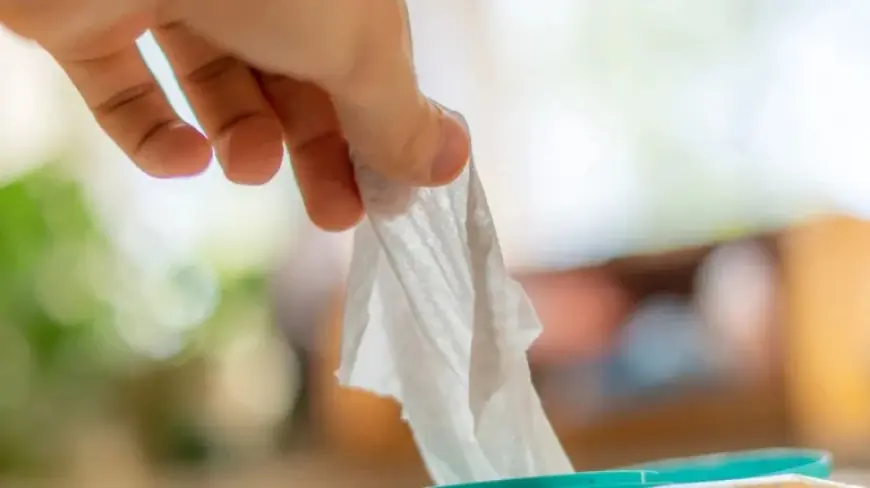
Confirmed: The UK Health Security Agency has warned households not to use four brands of non-sterile skin cleansing wipes after tests found contamination with Burkholderia stabilis, a bacterium tied to multiple infections and deaths. Documented tension: regulators say affected products were withdrawn from sale, yet public notices and case counts show the outbreak remains active and some contaminated wipes may still be in homes or first aid kits.
UKHSA and MHRA: confirmed withdrawals and public warnings
Confirmed: The UKHSA and the Medicines and Healthcare products Regulatory Agency issued fresh warnings and the MHRA issued notices to sellers that led to the withdrawal of the contaminated products from sale in July last year. The agencies advised consumers to stop using the identified non-sterile alcohol-free wipes and to dispose of them in standard household waste if found.
Documented pattern: UKHSA guidance explicitly states these non-sterile wipes were not marketed as general use wet wipes or baby wipes and that they should not be applied to broken or damaged skin, nor used to clean intravenous lines. Despite that guidance and the withdrawal, public messaging continued, indicating an ongoing potential risk.
Wipes linked to Burkholderia stabilis: the infection record
Confirmed: Testing identified Burkholderia stabilis contamination in four brands of skin cleansing wipes intended for first aid. The outbreak record shows 59 confirmed cases of Burkholderia stabilis infection in the UK between June 2018 and February 2026. A Eurosurveillance study tied five confirmed deaths and one probable fatality to these infections.
Documented pattern: Officials tested almost 200 products and found contamination concentrated in four brands of non-sterile alcohol-free wipes. The UKHSA cautioned that infections typically arise through contact with contaminated products on broken or damaged skin or introduction through medical devices such as intravenous lines, and listed symptoms ranging from redness and swelling to sepsis in the most serious cases.
Eurosurveillance and manufacturing trace: what the records show
Confirmed: The published record notes that three of the four contaminated wipe types originated from the same UK manufacturing site, establishing a manufacturing-linked pattern for most identified products. Officials stated that the outbreak was ongoing and associated with non-sterile alcohol-free skin cleansing wipes.
Documented: A UKHSA consultant reiterated public advice to stop using and to dispose of certain non-sterile alcohol-free wipes after linkage to the outbreak. The agencies emphasized that affected products had been withdrawn from sale while investigators continued to see a small number of cases in vulnerable patients.
The context does not confirm how contamination first occurred at the identified manufacturing site, nor does it confirm whether all contaminated batches were fully recovered by the July withdrawal. The context does not confirm whether cases identified after withdrawal resulted from stock still in homes, use of other non-sterile wipes, or separate sources of infection.
Open question: What remains unclear is whether the withdrawal removed all affected stock from circulation and whether additional testing of remaining products will identify further contaminated batches. The context does not confirm a complete traceability outcome for every contaminated product.
If the UKHSA or the MHRA confirms that every contaminated batch was traced to and accounted for at the same manufacturing site and that no affected products remain in circulation, it would establish whether ongoing cases stem from residual household stock or from other sources. That specific confirmation would resolve whether current infections reflect lingering household exposure or unresolved contamination outside the recalled batches.