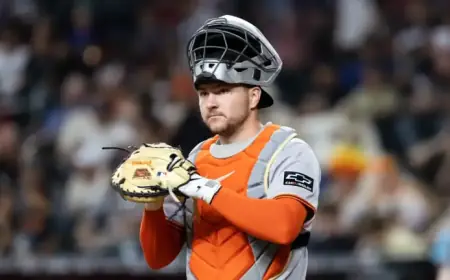
Ban Vs Pak: Hesson’s debutant gamble versus PCB’s retention move

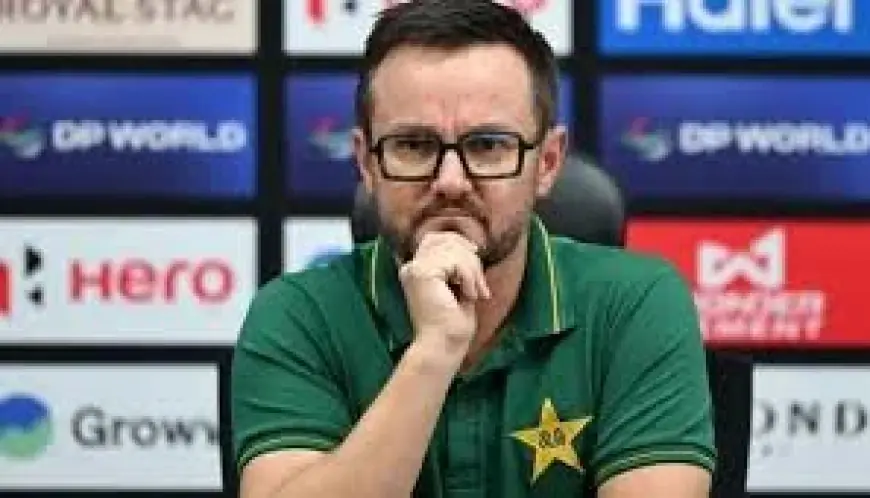
Pakistan named four first-time ODI players—Sahibzada Farhan, Shamyl Hussain, Abdul Samad and Maaz Sadaqat—while the board kept Mike Hesson as white-ball head coach. This piece asks what the juxtaposition of selection boldness and management continuity reveals about Pakistan’s approach in the upcoming Bangladesh series, and frames that question as ban vs pak.
Pakistan: four debutants named for opening ODI under Shaheen Shah Afridi
Pakistan’s playing XI for the opening ODI hands out four caps, the most in a single Pakistan ODI side since 2008 and only the second time since 1980. Shaheen Shah Afridi will lead a side that gives debuts to Sahibzada Farhan, Shamyl Hussain, Abdul Samad and Maaz Sadaqat. The squad includes six uncapped players overall, and selectors made room by omitting senior figures who featured in Pakistan’s T20 World Cup exit.
PCB: retains Mike Hesson and confirms full management for Bangladesh tour
The Pakistan Cricket Board retained Mike Hesson as white-ball head coach and announced the touring management, with Irtaza Kumail named team manager and staff including Ashley Noffke, Shane McDermott, Hanif Malik, Cliffe Deacon and Grant Luden. That retention was presented as a decisive board move to keep Hesson in place for the Bangladesh tour, and the management list spans coaching, medical and support roles.
Ban Vs Pak: Pakistan’s debutant XI versus retained coaching continuity
Placed side by side, two confirmed facts stand out: Pakistan has handed four ODI debuts, and the PCB has maintained the head coach and a broad support team. Apply the same criteria—risk profile, experience balance and stated rationale—to both actions. Selection risk is high by head-count: four debutants, including a 20-year-old Maaz Sadaqat and a 30-year-old Sahibzada Farhan with limited recent List A play. Management risk is low because Hesson remains in charge, providing continuity in strategy and oversight.
Pakistan and PCB: where selection and retention diverge and why
On selection, Pakistan’s decision reflects an explicit push to blood fresh talent. Hesson had said young players had “earned the right” to be involved, and examples cited include Shamyl Hussain’s List A form and Farhan’s T20 returns. On retention, the PCB’s move keeps a steady hand in place: the announced team includes specialized roles from batting coach Hanif Malik to a performance analyst, signaling institutional support around the coaching setup. The divergence is strategic posture—rapid squad turnover in playing staff versus stability in management personnel.
Yet, both moves share a linked logic: selection offers immediate opportunities for younger players, while retention preserves the coaching architecture to manage those opportunities. Senior omissions such as Babar Azam, Saim Ayub, Mohammad Nawaz and Naseem Shah created openings; the retained management then assumes responsibility for integrating new faces under a coherent plan.
What the comparison establishes and the test ahead
Finding: the juxtaposition of a debutant-heavy XI and the PCB’s retention of Mike Hesson establishes a coordinated strategy that prioritizes youth exposure within a stable coaching framework. The direct test of that finding is the opening ODI against Bangladesh on Wednesday. If Hesson maintains his debutant selections through that match, the comparison suggests Pakistan is choosing deliberate youth development over short-term reliance on experienced incumbents. If the board or coach reverses course and restores omitted senior players before that game, the comparison would instead indicate a tentative experiment replaced by conservatism.
For now, ban vs pak highlights a single, clear inference: selectors have accelerated player turnover while the board has insulated the leadership charged with delivering results and development, and the opening ODI will confirm whether that combination produces on-field stability or exposes the limits of rapid change.