Trump Team Misjudges Iran’s War Response

The recent military conflict between the United States and Iran highlights significant miscalculations by the Trump administration regarding Iran’s response. Key officials, including Energy Secretary Chris Wright, initially dismissed concerns that a military engagement could disrupt oil supplies and lead to higher energy prices. This overconfidence has since proven detrimental.
Iran’s Aggressive Retaliation
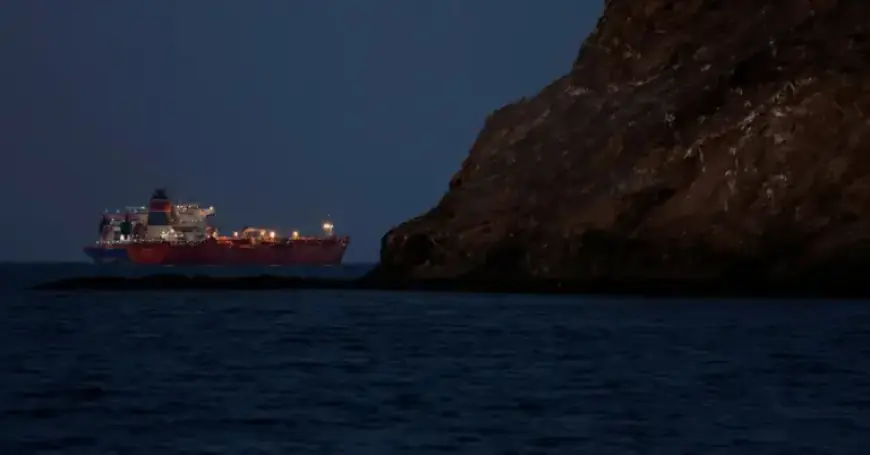
As the situation escalated, Iran threatened to target commercial oil tankers in the Strait of Hormuz. This strategic waterway is crucial, carrying about 20% of the world’s oil supply. Subsequently, commercial shipping halted, leading to a sharp increase in oil prices. This sudden surge prompted the administration to scramble for solutions to prevent an economic crisis affecting American consumers.
Government Misjudgments
- Initial assessments underestimated Iran’s potential for economic warfare.
- Wright noted past strikes had minimal market impact, but recent events suggested otherwise.
- Lawmakers, including Senator Christopher Murphy, pointed out the administration’s lack of a clear plan for restoring safety in the Strait of Hormuz.
Iran’s military response included missile attacks targeting U.S. bases and regional allies. Officials in Washington had expected some level of retaliation but were taken aback by the intensity and scale of Iran’s actions.
Trump’s Strategy and Administration’s Response
Despite escalating tensions, President Trump has remained optimistic, deeming military operations a success. He has articulated ambitious goals for the conflict, like compelling Iran to appoint a compliant leader. Simultaneously, officials such as Secretary of State Marco Rubio and Defense Secretary Pete Hegseth have advocated for more focused objectives to provide a possible off-ramp from the conflict.
Oil Price Crisis Management
- Wright falsely claimed a U.S. Navy escort had successfully navigated the Strait, leading to stock market fluctuations.
- Concerns arose about Iran’s plans to lay mines in the Strait, complicating shipping efforts.
- Republicans voiced apprehension that rising oil prices could undermine their economic agenda ahead of midterm elections.
The administration is working on a new refinery in Texas, aiming to bolster oil supply amid the crisis. However, the confidence exhibited by government officials regarding the Strait of Hormuz is surprising, given previous engagements with Iranian proxies that disrupted maritime commerce in other regions.
Seeking Resolution Amid Rising Tensions
Amid a surge in oil prices and military expenditure—reported to be $5.6 billion in just the initial days of conflict—there is a growing urgency to find a resolution. Former officials warned that continuing military action might lead to a prolonged conflict, with Iran leveraging its oil supply for strategic advantage.
Iran’s Position
Iranian leaders continue to assert their capabilities, warning the U.S. of severe repercussions for its actions. They demand a peaceful resolution for global commerce rather than further hostilities.
The ongoing conflict not only raises questions about military strategy but also has serious implications for the global economy. As both sides navigate this challenging crisis, the future remains uncertain. The administration faces mounting pressure to reevaluate its tactics and adapt to the shifting dynamics in the Middle East, particularly concerning oil supply and geopolitical stability.